
The 1650s
The decade 1650–1659 saw political realignments across Europe, the rise of the English Commonwealth under Cromwell, Anglo‑Dutch rivalry at sea, colonial expansion, and important developments in science and culture.
The 1650s covers the years 1650 through 1659, a decade marked by continuing fallout from the Thirty Years' War, intense dynastic and religious struggles, and accelerating global commerce and colonization. Power shifted in several regions as emergent states and empires consolidated control while new political and intellectual currents took shape.
Image gallery
10 Images



Politics, war and diplomacy
Several major conflicts and diplomatic settlements defined the decade. In England the republic created after the 1640s civil wars took institutional form: Oliver Cromwell became the dominant figure, ruling as Lord Protector from the early 1650s until his death in 1658. Across the British Isles, fighting in Scotland and Ireland continued as royalist forces and local insurgencies were suppressed.
- Anglo‑Dutch rivalry escalated into the First Anglo‑Dutch War (early 1650s), driven by trade competition and navigation legislation.
- In Eastern Europe, warfare and shifting alliances—most notably the Cossack alignment with Muscovy—reshaped Polish, Russian and Ukrainian affairs.
- The Franco‑Spanish conflict ended with a major settlement in 1659 that strengthened France's position in Western Europe.
Colonies, commerce and navigation
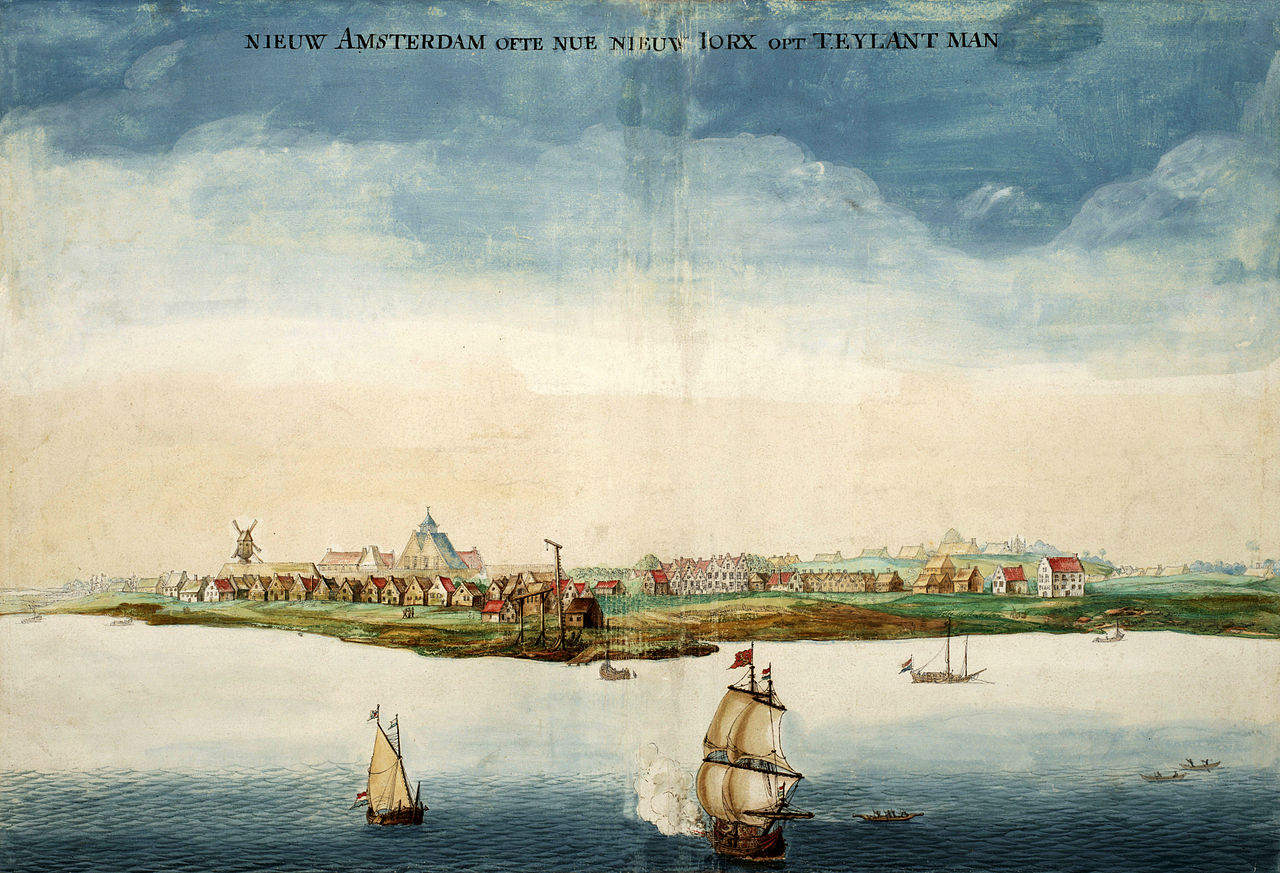
The decade saw growing state regulation of overseas trade and expanding colonial competition. Navigation laws and naval engagements reflected the increasing importance of maritime commerce. European powers continued to expand their footholds in the Americas, Africa and Asia, intensifying the transatlantic trade networks and the exchange of goods, people and ideas.
Science, ideas and culture
The intellectual climate of the 1650s combined practical invention and theoretical inquiry. Mathematicians and thinkers made strides that foreshadowed later scientific advances, while Baroque art and literature flourished across Europe. Coffeehouses and salons began to appear as new venues for discussion and business.
- Correspondence and exchanges among mathematicians and philosophers advanced topics such as probability and early natural philosophy.
- The arts continued to develop regional schools—especially in the Dutch Republic, France and Italy—producing influential painters, writers and composers.
The 1650s thus acted as a hinge between the convulsive politics of the mid‑17th century and the state systems, commercial networks and cultural forms that shaped the late 17th century. Changes in governance, naval power and intellectual life during this decade had long‑term consequences for European and global history.
Author
AlegsaOnline.com The 1650s Leandro Alegsa
URL: https://en.alegsaonline.com/art/133486