
The 1340s: War, Plague, and Political Upheaval in the Mid-14th Century
Overview of the 1340s decade: major military campaigns of the Hundred Years' War, the outbreak of the Black Death, political shifts in Byzantium and the Balkans, and wider social consequences.
The 1340s were a pivotal decade across Eurasia and North Africa. It combined high-intensity warfare, dynastic change and one of the most catastrophic pandemics in human history. Developments during these years reshaped politics, demography and society, and set patterns that influenced the later Middle Ages.
Image gallery
10 Images




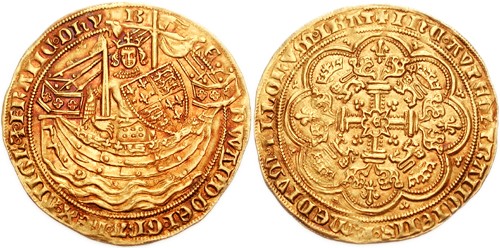
Major events
- Hundred Years' War: A sequence of English campaigns and naval actions defined Anglo-French rivalry. Notable episodes include the naval Battle of Sluys (1340), the English victory at Crécy (1346) and the capture of Calais (1347).
- Black Death begins in Europe: From about 1347 the bubonic plague spread rapidly after appearing in Mediterranean ports, causing enormous mortality across Europe, the Middle East and North Africa.
- Byzantine and Balkan politics: A civil war in Byzantium (1341–1347) led to John VI Kantakouzenos taking the throne; in 1346 Stefan Dušan of Serbia was crowned emperor, expanding Serbian influence.
Society and economy in the 1340s were shaped by both long-term pressures and sudden disaster. Agricultural and fiscal strains from ongoing warfare and prior climate variability had weakened communities. The arrival of the plague produced acute labour shortages, disrupted trade and provoked recurring local crises of order and charity. The disease is widely associated with the bacterium Yersinia pestis and moved along trading routes, but its social impact depended on local conditions and public responses.
Politically, the decade saw the Avignon papacy under Pope Clement VI (elected 1342) navigating a Europe in turmoil, while regional polities from the Italian city‑states to Mongol successor realms adapted to new realities. Military innovations, especially English use of the longbow and more mobile infantry, affected battlefield outcomes and the conduct of war.
Legacy
Consequences of the 1340s were long lasting: dramatic population decline altered labour relations and economic structures; territorial gains and losses reshaped states; and the trauma of plague and war influenced religious life, art and governance. The decade stands as a turning point from high medieval patterns toward new late‑medieval social and political forms.
Author
AlegsaOnline.com The 1340s: War, Plague, and Political Upheaval in the Mid-14th Century Leandro Alegsa
URL: https://en.alegsaonline.com/art/133459