
1290s: a decade of conquest, consolidation, and cultural exchange
Overview of the 1290s (1290–1299): major political and military events, cultural and economic developments, key figures, and the decade's lasting impact across Europe, the Mediterranean, and Asia.
The 1290s, spanning 1290–1299, were a pivotal decade in the late thirteenth century, marked by military conflicts, institutional developments in Europe, and sustained contacts between East and West. During these years medieval kingdoms consolidated power at home while confronting external rivals. The decade saw the end of the Crusader presence in the Holy Land, important steps in English legal and parliamentary history, and events that shaped Scotland, France, the Mongol-ruled Yuan dynasty and emerging Anatolian polities.
Image gallery
1 Image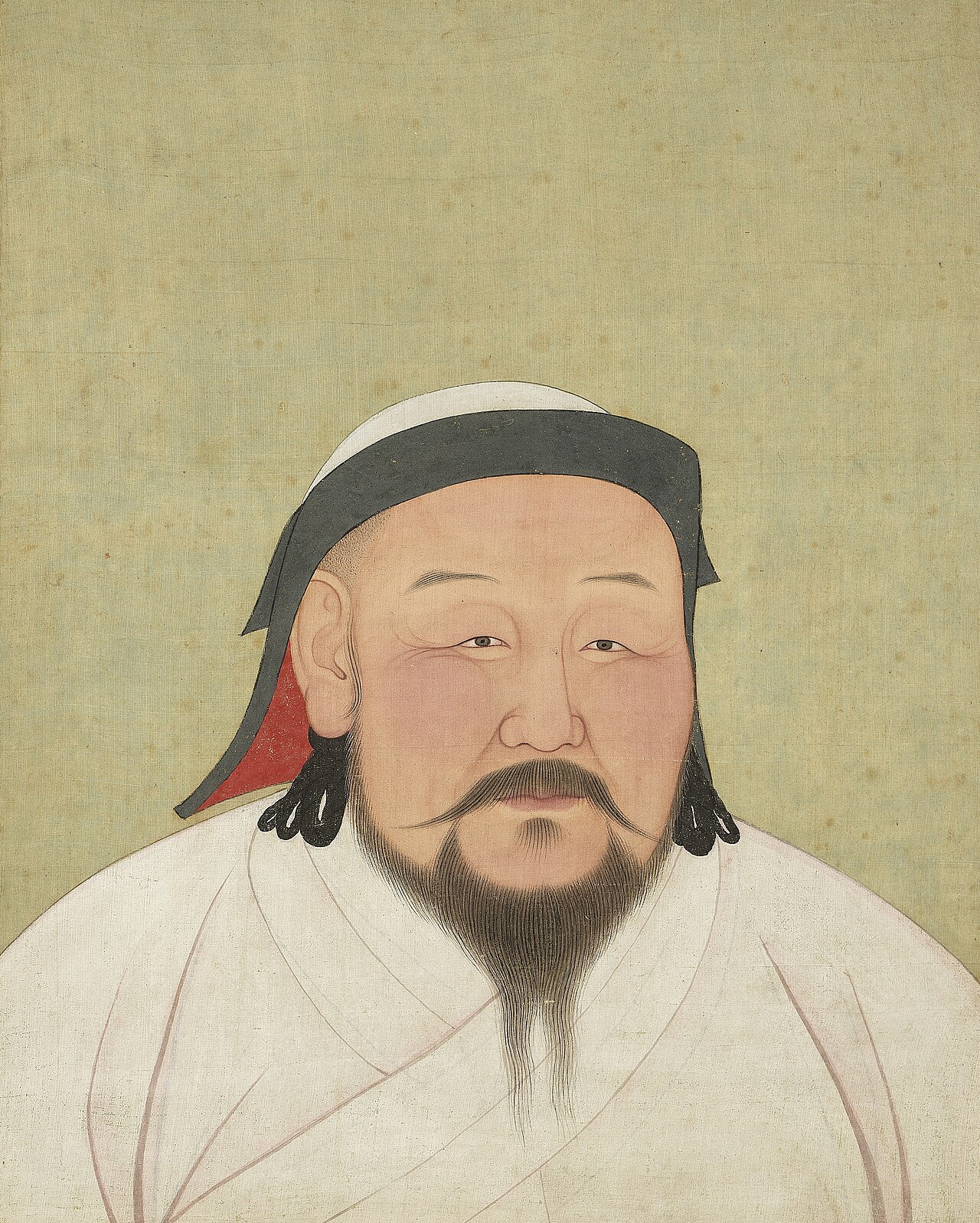
Major events
- 1290: The expulsion of Jews from England by order of King Edward I and the enactment of the statute Quia Emptores, reforming land tenure.
- 1291: The capture of Acre by the Mamluks, effectively ending Crusader states in the Levant.
- 1294: Pope Celestine V resigned; Boniface VIII became pope later that year.
- 1295: Edward I summoned what has been called the "Model Parliament"; Scotland and France concluded the Auld Alliance.
- 1296–1298: Wars between England and Scotland, including the Battle of Dunbar (1296), the Scottish victory at Stirling Bridge (1297), and the English victory at Falkirk (1298).
- c.1298: Marco Polo's account of his travels was compiled while he was imprisoned in Genoa.
Politics and warfare
In western Europe monarchs worked to centralize authority. Edward I of England pursued legal reforms and military campaigns that shaped English government and territorial control. Scotland resisted English domination in a protracted conflict led by figures such as William Wallace. On the Continent, France under Philip IV grew in influence and entered a period of increasing tension with the papacy. In the eastern Mediterranean the Mamluk Sultanate consolidated control after the fall of Acre. In Asia the Yuan dynasty continued under Kublai Khan’s successors, and small Turkish principalities in Anatolia coalesced into the polity that would later be known as the Ottoman beylik around the turn of the century.
Culture, economy and exchange
Trade and urban growth remained strong in Italian maritime republics such as Venice and Genoa, which mediated commerce between Europe and the eastern Mediterranean. The compilation of travelers' accounts, notably Marco Polo’s narratives, widened European knowledge of Asia. Intellectual life continued at the universities and in cathedral schools; legal and administrative statutes (for example, Quia Emptores) shaped landholding and governance. Natural disasters, including a major earthquake in Kamakura (Japan) in 1293, affected population centers in other regions.
Legacy and significance
The 1290s set patterns that influenced the early fourteenth century: the end of the Crusades in the Levant, steps toward parliamentary representation in England, escalating conflicts between secular rulers and the papacy, and increased long-distance exchanges. Many developments of the decade—military campaigns, legal statutes, diplomatic alliances, and travel literature—helped shape the political map and cultural understanding of the late medieval world.
Author
AlegsaOnline.com 1290s: a decade of conquest, consolidation, and cultural exchange Leandro Alegsa
URL: https://en.alegsaonline.com/art/133447