
1130s (1130–1139): Political shifts, religious councils, and cultural change
A concise overview of the 1130s, a decade marked by dynastic struggles, the founding of the Kingdom of Sicily, papal schism and reconciliation, architectural and monastic growth, and key regional events.
Overview
The 1130s (1130–1139) were a formative decade in high medieval Europe and the broader Mediterranean and Near Eastern world. The decade saw dynastic contests and the foundation of new polities, important developments within the Roman Catholic Church, and continuing cultural and monastic expansion. Local crises and diplomatic settlements during these years shaped political boundaries and ecclesiastical authority for decades to come.
Image gallery
5 Images


Politics and warfare
Several major political shifts occurred. In southern Italy and Sicily the Norman leader Roger II consolidated control and was recognized as king, creating a centralized Norman kingdom that combined Latin, Greek, Arab and Byzantine traditions. In England the death of Henry I in 1135 produced a succession crisis: Stephen of Blois seized the throne, while Henry's daughter, Empress Matilda, contested his rule, inaugurating a prolonged civil war often called The Anarchy.
Border warfare and regional conflicts were frequent. Scotland and England clashed in 1138 at the Battle of the Standard, and the Iberian Peninsula saw the rise of Afonso Henriques, who after victories in 1139 advanced his claim to independent kingship in the territory that became Portugal. In the Eastern Mediterranean the Crusader states and Byzantine Empire continued to interact with the Seljuk Turks and other Muslim polities.
Religion, reform and culture
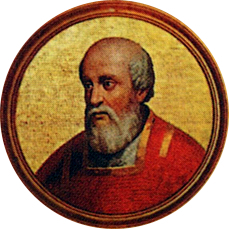
The papal schism that began after the death of Pope Honorius II in 1130 — producing rival claimants Innocent II and Anacletus II — dominated church politics for much of the decade. Bernard of Clairvaux and other reformers supported Innocent; after the death of his rival the reconciliation of the papacy was formalized by measures taken at gatherings such as the Lateran council convened at the close of the decade. Monasticism continued to expand: several important abbeys and Cistercian houses were founded or grew in influence, reflecting the era's spiritual and economic energies.
Society, architecture and natural events
Romanesque architecture remained prevalent in church and fortress building, while administrative and legal practices continued to evolve in royal chanceries across Europe. The decade was not free of calamity: devastating earthquakes affected parts of the Near East, contributing to local disruption. Trade, multilingual administration in places like Sicily, and intellectual life in cathedral schools and monasteries helped set the stage for later 12th-century developments.
Notable events by year (selected)
- 1130 — Roger II proclaimed king in Sicily, marking the formal rise of the Norman Sicilian kingdom.
- 1132 — Foundations and growth of prominent monastic communities and Cistercian expansion in western Europe.
- 1135–1139 — English succession crisis after Henry I's death; Stephen becomes king in 1135, contest with Empress Matilda follows.
- 1137 — Eleanor of Aquitaine marries Louis VII of France, a major dynastic union with long-term cultural consequences.
- 1138 — Battle of the Standard between English and Scottish forces; also major earthquakes in parts of the Near East causing significant damage.
- 1139 — After years of schism and struggle, the papacy moves toward restoration of unity and ecclesiastical reform at councils late in the decade.
Overall, the 1130s were a decade of consolidation and contest: new kingdoms and dynastic claims emerged, church authority was contested and then reasserted, and cultural institutions such as monasteries and schools continued to shape medieval society.
Author
AlegsaOnline.com 1130s (1130–1139): Political shifts, religious councils, and cultural change Leandro Alegsa
URL: https://en.alegsaonline.com/art/133427