
1114 (year)
Overview of the year 1114 (MCXIV): calendar designation, global political context in the High Middle Ages, notable rulers in power, and how historians treat medieval year-numbering.
Overview
The year 1114 (written MCXIV in Roman numerals) is identified in surviving records as a year of the High Middle Ages. In modern chronological terms it is a common year beginning on Thursday in the Julian calendar. Contemporary annals and later historians place 1114 within the era often described as the 12th century revival of political activity, religious reform, and cultural exchange across Europe, the Byzantine world, the Islamic lands, and East Asia.
Image gallery
1 Image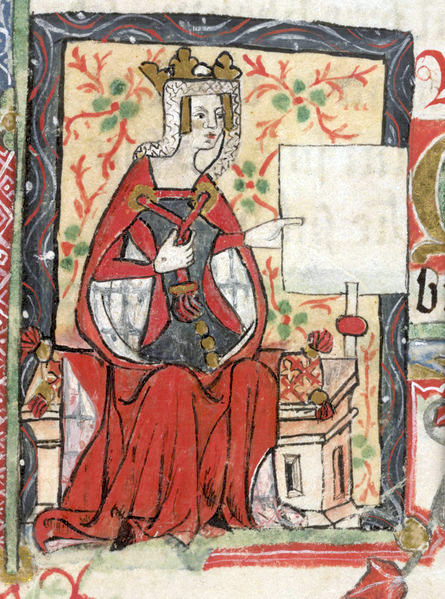
Calendar and numbering
The notation MCXIV and the description of the year as a common year starting on Thursday reflect retrospective use of the Julian calendar and the Anno Domini era. The year appears in medieval sources that used regnal years, indictions, or ecclesiastical dating rather than a single global system. In modern reference works the designation appears alongside a full calendar depiction (full calendar) and an explanation of the Julian system (Julian calendar). The Roman form is often shown as MCXIV.
Political and regional context
1114 falls in a period when several long‑standing rulers and dynasties shaped regional affairs. In Western Europe, monarchs such as Henry I of England and Louis VI of France consolidated royal authority while local nobles and church institutions remained powerful. The Byzantine Empire was governed by Alexios I Komnenos, who had restored imperial fortunes after the crises of the 11th century. In the Islamic world various Seljuk and local dynasties competed for influence, and in East Asia the Song court continued its cultural and bureaucratic developments.
Notable rulers and institutions (circa 1114)
- Pope Paschal II (seat of the papacy)
- Henry I, King of England (r. 1100–1135)
- Louis VI, King of France (r. 1108–1137)
- Alexios I Komnenos, Byzantine emperor (r. 1081–1118)
- Emperor Huizong of Song in China (r. 1100–1126)
- Queen Urraca of León and Castile (r. 1109–1126)
Historical significance
Rather than a year marked by a single globally decisive event, 1114 sits within decades of gradual change: continued Crusader presence in the eastern Mediterranean, reform movements in the Western Church, evolving feudal relations, and literary and artistic developments. For historians the year functions as a waypoint for tracking sequences of reigns, ecclesiastical records, and regional chronicles rather than as an isolated turning point.
Research and sources
Information about 1114 comes from a mix of chronicles, royal charters, ecclesiastical registers and later compilations. Scholars cross‑reference such materials to place local events into a broader framework of 12th‑century history. For concise calendar and notation references see specialized chronologies and calendar reconstructions (calendar, Julian calendar).
Author
AlegsaOnline.com 1114 (year) Leandro Alegsa
URL: https://en.alegsaonline.com/art/133425