
The 1090s: a decade of crusade and change
Overview of the 1090s decade, its political shifts, the launch and course of the First Crusade, cultural and economic trends, and its longer-term impact across Europe and the Near East.
The 1090s was the decade that began on January 1, 1090 and ended on December 31, 1099. It is most often remembered for the convulsions that produced the First Crusade and for the political instability that followed the death of major rulers. Across Europe, the Near East and parts of North Africa and Iberia, the decade saw military campaigns, shifting dynasties and heightened contact between Christian and Muslim worlds.
Image gallery
1 Image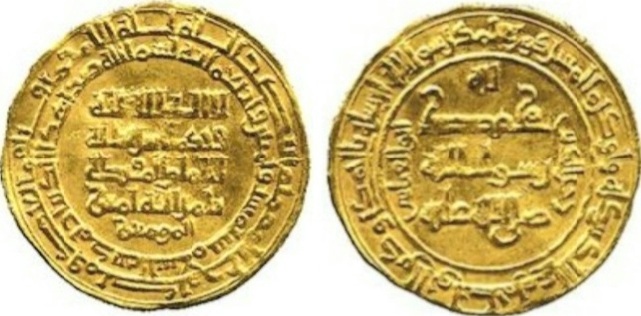
Political landscape and major shifts
Power in the Muslim and Christian worlds was unsettled. The Seljuk realm fragmented after the death of Sultan Malik-Shah I, creating rivalities that altered control of Anatolia and the Levant. In Western Europe, papal leadership under Urban II and ongoing contest between regional lords shaped alliances. The Byzantine Empire, under internal and external pressure, appealed to Western princes for military aid. These intersecting tensions set the stage for mass armed pilgrimage from Western Europe.
The First Crusade and its course
Pope Urban II’s appeal at the Council of Clermont (1095) prompted a large volunteer expedition to the eastern Mediterranean. What began as a religiously inspired campaign culminated in a sequence of sieges and battles: the capture of Nicaea (1097), the protracted Siege of Antioch (1098) and the assault on Jerusalem (1099). Crusader leaders such as Godfrey of Bouillon, Bohemond of Taranto and Raymond of Toulouse established new polities in the region, including the Kingdom of Jerusalem and the Principality of Antioch.
Culture, economy and exchange
Beyond warfare, the decade saw intensified trade and cultural interchange. Maritime cities of Italy expanded commercial links with the eastern Mediterranean, while contacts made during the crusading movement facilitated the transfer of technologies, medical and scientific texts, and new commodities. In Western Europe, monastic and cathedral schools continued to develop intellectual life, and Romanesque art and architecture remained prominent.
Notable events and legacy
- 1092: Death of Sultan Malik-Shah I and the resulting Seljuk succession struggles.
- 1095: Council of Clermont; call for the First Crusade.
- 1096–1099: Mobilization and campaigns of the First Crusade.
- 1097: Siege and fall of Nicaea to crusading forces.
- 1098: Siege of Antioch and its capture.
- 1099: Capture of Jerusalem and foundation of crusader states.
The 1090s therefore mark a turning point: the establishment of Latin states in the Levant, altered Byzantine-Western relations, and intensified long-distance trade and cultural contacts that affected politics, religion and economy for generations. For an entry point to broader reference material, see further reading.
Author
AlegsaOnline.com The 1090s: a decade of crusade and change Leandro Alegsa
URL: https://en.alegsaonline.com/art/133419