
1060s
A decade of major political change across Eurasia: the Norman Conquest of England (1066), Seljuk expansion in Anatolia, shifts in Kievan Rus, and administrative reforms in Song China.
The 1060s covers the years 1060–1069 CE, a decade marked by armed conflict, dynastic change and administrative reform across much of Eurasia. While it is best known in the West for the events surrounding the Norman invasion of England in 1066, significant developments occurred simultaneously in the Islamic world, eastern Europe, and East Asia. These years illustrate the global patterns of territorial expansion, consolidation of new ruling elites and experimentation with state administration that characterized the eleventh century.
Image gallery
3 Images

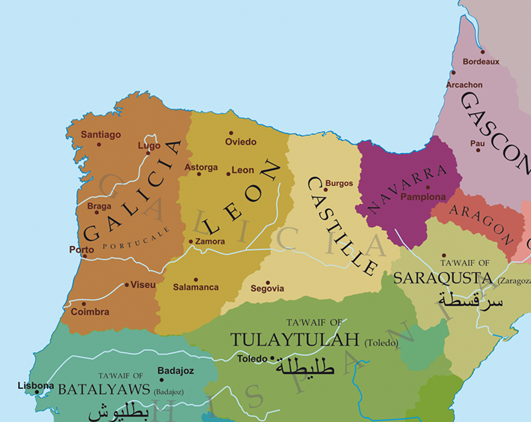
Political and military developments
In Western Europe the decisive sequence of 1066 dominates historical memory. The death of England's monarch produced competing claims that led to two major battles: one in the north of England and the decisive engagement at Hastings, where the Anglo-Saxon king was killed and the invader from Normandy secured control. The new Norman ruler established a regime that relied on castle-building, redistribution of land to followers and suppression of uprisings over the following years.
On the eastern frontiers of Byzantium, Seljuk Turk leaders consolidated power in Anatolia and the Caucasus, seizing fortified towns and shifting regional balances. In southern Italy and Sicily, Norman adventurers continued to expand their foothold, pressing against Muslim-controlled territories and reshaping Mediterranean politics.
Reforms, administration and courts
In East Asia, the Song dynasty initiated a program of fiscal and administrative reforms intended to strengthen state capacity and improve military and local organization; these measures would influence Chinese governance in later periods. In Kievan Rus the decade saw incursions by steppe nomads that produced military defeats and urban unrest, affecting princely authority and succession in major cities.
Culture, religion and society
The 1060s form part of a broader pattern of eleventh‑century religious and cultural change. Church reform movements continued to shape clerical life in western Europe, while Romanesque architectural forms spread with monastery building and episcopal patronage. The consolidation of feudal relations and the strengthening of local lordship altered landholding and peasant obligations in many regions.
Selected events by year (representative)
- 1060: Regional successions and local power shifts across several European courts.
- 1061: Normans begin intensified operations in southern Italy and the island of Sicily.
- c.1063–1065: Seljuk forces extend influence in eastern Anatolia and the Caucasus; fortress towns change hands.
- 1066: The English succession crisis leads to major battles and the establishment of Norman rule in England.
- 1067–1069: Period of resistance and consolidation in England; construction of defensive castles and legal reorganization by the new rulers.
- 1068: Military setbacks in eastern Europe provoke unrest in some Kievan cities and adjustments among Slavic princes.
- 1069: Initiatives to reform taxation and administration are launched in the Song state, marking a new phase of central policy.
Overall, the 1060s illustrate how warfare, dynastic contest and administrative experimentation combined to reshape regional orders. Changes begun in this decade—conquests that replaced ruling elites, reforms that sought to improve revenue and governance, and religious movements that altered institutional life—had consequences extending well beyond these ten years.
Author
AlegsaOnline.com 1060s Leandro Alegsa
URL: https://en.alegsaonline.com/art/133415