
Ávila, Spain: medieval walls, history and principal sights
Ávila is a historic city in Castile and León, capital of the Province of Ávila, best known for its intact medieval walls, Romanesque and Gothic monuments, and its cultural and religious heritage.
Overview
Ávila is a city in the autonomous community of Castile and León and serves as the capital of the Province of Ávila. It is renowned for its exceptionally preserved medieval ramparts and historic centre. The population has been modest for a provincial capital — roughly 58,000 people around 2010 — giving the city a compact, largely undisturbed historic core.
Image gallery
10 Images


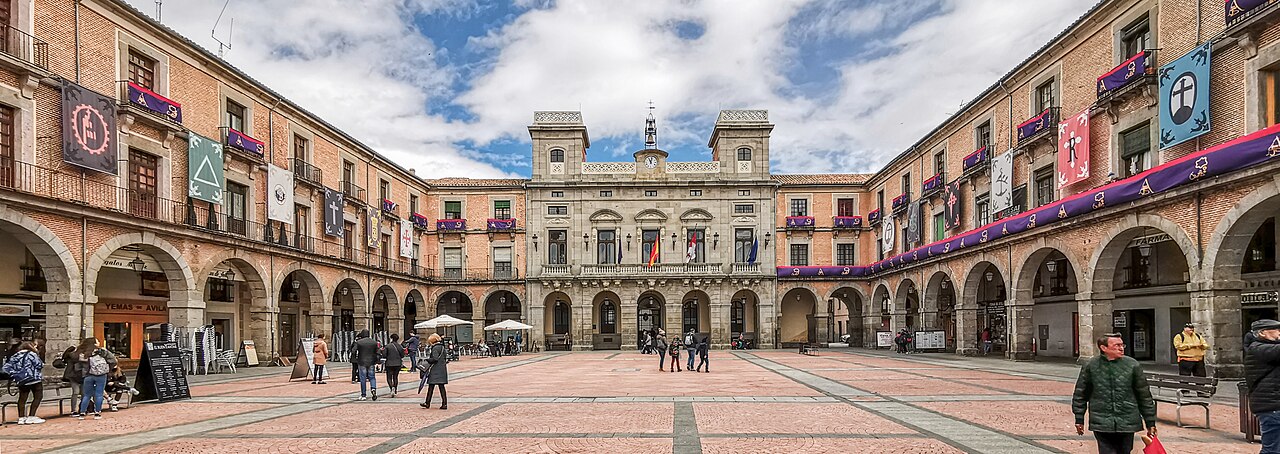

Characteristics and urban fabric
The most immediately visible feature of Ávila is the continuous ring of stone walls that encircle the old town, punctuated by towers and gates. Within that ring the streets, plazas and ecclesiastical buildings show layers of Romanesque, Gothic and later Renaissance styles. The cathedral and several convents are integral parts of the urban silhouette, often built up against or incorporated into the fortifications themselves.
History and development
Ávila developed as a frontier and defensive settlement during the Middle Ages, growing around its religious institutions and military functions. Over centuries it became an important regional centre of pilgrimage and learning. The city is also associated with Saint Teresa of Ávila, an important reformer of Spanish monasticism; her life and writings tied the town to wider currents in Spanish religious history.
Main monuments
- The Walls of Ávila — an almost complete medieval fortification with well-preserved gates and towers.
- Ávila Cathedral — a Romanesque–Gothic building often described as one of the first Gothic cathedrals in Spain.
- Convent and sites linked to Saint Teresa — places associated with her life and legacy.
- Basilica of San Vicente and various palaces — examples of the city’s religious and civic architecture.
Importance and visiting
Ávila's historic centre has been recognised for its outstanding medieval architecture and atmosphere, attracting scholars, pilgrims and tourists. The city’s economy mixes tourism, local services and agriculture from surrounding areas. Visitors should expect a compact walkable centre, marked seasonal weather changes, and cultural events that reflect Ávila’s religious and Castilian traditions. For an introduction to the region and province, consult regional resources via the links above.
Author
AlegsaOnline.com Ávila, Spain: medieval walls, history and principal sights Leandro Alegsa
URL: https://en.alegsaonline.com/art/133365