
Zygmunt Bauman: sociologist of liquid modernity
Polish-British sociologist and public intellectual (1925–2017) known for the concept of 'liquid modernity' and influential analysis of modernity, consumer culture, globalization and social exclusion.
Overview
Zygmunt Bauman (19 November 1925 – 9 January 2017) was a Polish‑British sociologist and public intellectual whose work examined how modern social life changes under the pressure of consumerism, globalization and rapid social mobility. He lived in England from 1971 and spent much of his career explaining how long-standing institutions and norms become less stable in contemporary society.
Image gallery
4 Images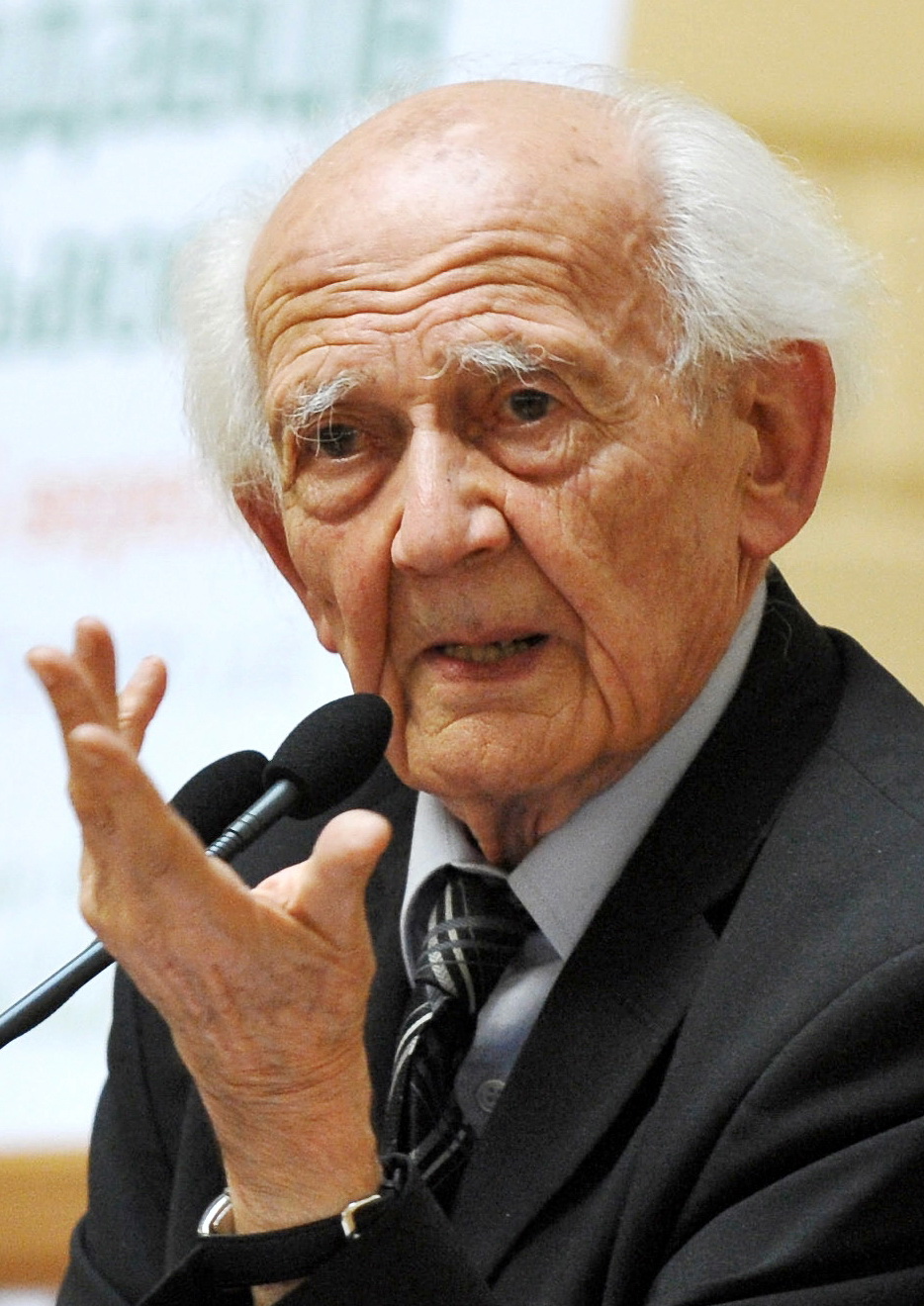


Key ideas and characteristics
Bauman is best known for the phrase "liquid modernity", a metaphor for an era marked by continual change, uncertainty, and short‑term relationships. His writing emphasized several recurring themes:
- the fragility of social ties and commitments;
- the rise of consumer culture and its effects on identity;
- individualization and the shifting responsibilities placed on people;
- inequalities and new forms of social exclusion in globalized contexts.
Life and intellectual development
Bauman began his academic life in Poland and later moved abroad during the political upheavals of the late 1960s. After relocating to the United Kingdom, he taught at the University of Leeds and produced a steady stream of essays and books that blended sociology, history and moral philosophy. His style combined theoretical rigor with broad cultural criticism, making his work accessible beyond specialist circles.
Influence and reception
Bauman influenced debates about modernity, postmodernity, ethics and social policy. He is frequently cited in discussions of consumer society, precarious work and migration. While celebrated for his penetrating metaphors and social critique, some scholars have questioned the generality of the "liquid" metaphor and debated its empirical reach.
Selected topics and works
Among Bauman's many contributions are analyses of the Holocaust in relation to modern bureaucratic structures and a series of books on liquid modernity and its social consequences. His work remains a reference point for those studying contemporary social change, ethics, and the politics of belonging.
Author
AlegsaOnline.com Zygmunt Bauman: sociologist of liquid modernity Leandro Alegsa
URL: https://en.alegsaonline.com/art/133352