
Zhu Rongji: Chinese Premier and Economic Reformer (born 1928)
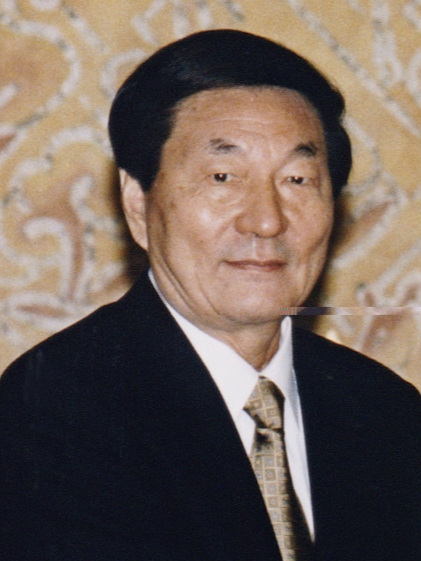
Zhu Rongji (born 1 October 1928) is a Chinese politician and reformer who served as Mayor of Shanghai and as Premier of the PRC (1998–2003), noted for market-oriented economic and banking reforms and China's WTO accession.
Overview
Zhu Rongji (Chinese: 朱镕基; born 1 October 1928) is a Chinese politician best known for leading major economic reforms during his time in senior national office. He held municipal leadership in Shanghai and later served as Vice Premier and as the fifth Premier of the People's Republic of China, where he became widely associated with fiscal, banking and state-owned enterprise restructuring and with policies that helped prepare China for entry into the World Trade Organization.
Image gallery
10 Images



Early life and background
Born in Hunan province, Zhu trained as an engineer and worked in industrial and planning posts early in his career. His technical education and experience in economic administration shaped a pragmatic approach to policy that emphasized measurable results and institutional management. Over decades he rose through provincial and central government ranks, gaining a reputation for discipline and attention to detail.
Political career and offices
Zhu served as Mayor and Party chief of Shanghai, where he oversaw urban development and economic opening that strengthened the city’s role as a commercial hub. After his Shanghai tenure he moved to national leadership as Vice Premier and then Premier of the State Council of the People’s Republic of China (State Council). As Premier from 1998 to 2003 he headed the central government and led economic policy, succeeding Li Peng and later succeeded by Wen Jiabao.
Economic policies and reforms
Zhu is frequently associated with a set of market-oriented reforms and tough measures aimed at modernizing China’s economy. Key elements included:
- Restructuring large state-owned enterprises (SOEs) to improve efficiency and reduce systemic subsidies.
- Addressing banking sector problems by creating mechanisms to deal with non-performing loans and to bolster financial oversight.
- Promoting regulatory and trade policies that facilitated China's entry into the World Trade Organization in 2001, a major milestone for integration with the global economy.
- Implementing austerity and accountability measures intended to reduce corruption and fiscal waste, while maintaining growth.
Leadership style and legacy
Zhu developed a public image of firmness, directness and administrative discipline. He was known for a blunt, results-driven manner and for insisting on clear performance targets. His tenure coincided with rapid growth and deepening market reforms; scholars and policymakers often credit him with moving China toward a more market-oriented economy while guarding macroeconomic stability. At the same time, his policies produced difficult social adjustments, including layoffs in restructured firms.
Notable facts and later life
Zhu remained an influential figure after leaving the premiership, occasionally appearing at important events and attracting attention for his views on governance and reform. Biographical and language resources often list his Chinese name and career in detail (biographical page), and accounts of his Shanghai leadership can be found in municipal histories (Shanghai records). Analysts continue to debate the balance of long-term benefits and short-term costs from his reform agenda, but his impact on China’s economic transition is widely acknowledged.
For additional reading and primary-source material consult official profiles and collections of speeches and decisions from his time in office (Chinese-language materials, State Council records).
Author
AlegsaOnline.com Zhu Rongji: Chinese Premier and Economic Reformer (born 1928) Leandro Alegsa
URL: https://en.alegsaonline.com/art/133322