
Zeca Afonso (José Afonso): Portuguese protest singer and folk musician
José "Zeca" Afonso (1929–1987) was a leading Portuguese folk and political songwriter whose songs became symbols of opposition to the Estado Novo and helped inspire the Carnation Revolution.
Overview
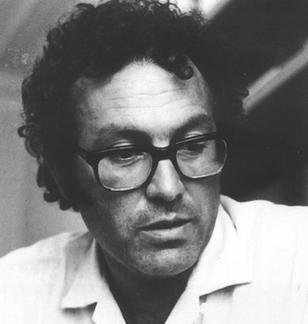
José Manuel Cerqueira Afonso dos Santos, commonly known as José Afonso or Zeca Afonso (2 August 1929 – 23 February 1987), was a Portuguese singer, songwriter and guitarist. He is best known for composing clear, accessible songs that combined elements of traditional Portuguese folk with pointed political commentary. Over decades of performing and recording, Zeca Afonso became one of the most visible cultural opponents of Portugal's mid-20th-century authoritarian government.
Image gallery
5 Images


Musical style and themes
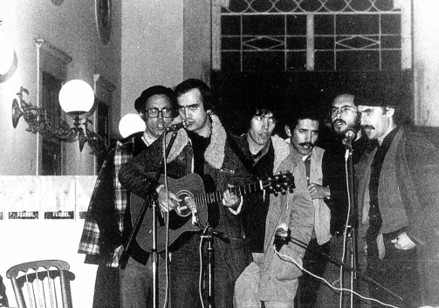
Zeca Afonso's music typically favors straightforward melodies and sparse arrangements, often built around voice and guitar so the lyrics remain central. His songs address themes such as social justice, workers' rights, popular solidarity and opposition to authoritarian rule. He drew on folk traditions and poetic phrasing, producing anthems that could be sung in communal settings and easily adopted by protest movements.
Role in politics and the Carnation Revolution
Many of Zeca Afonso's songs were openly critical of the Estado Novo, the long-standing regime led for decades by António de Oliveira Salazar. Because of their political content, some of his recordings and broadcasts were censored. One of his most famous compositions, "Grândola, Vila Morena," acquired particular historical significance: it was used as a prearranged radio signal during the 25 April 1974 military operation that led to the Carnation Revolution and the fall of the dictatorship.
Legacy and influence
Zeca Afonso is widely regarded as a cultural icon in Portugal. His work influenced later generations of songwriters and activists and remains a touchstone of Portuguese protest music. Recordings and compilations of his songs are still performed and taught, and commemorations of his role in Portugal's democratic transition appear in cultural histories and public rituals.
Notable facts
- Political impact: Songs that articulated popular grievances helped unify disparate opposition forces and provided rallying points during the resistance to the dictatorship.
- Censorship: Several pieces were banned from official radio and distribution under the authoritarian regime.
- Historic signal: "Grândola, Vila Morena" served as a broadcast cue during the 1974 revolution.
Death and remembrance
Zeca Afonso died on 23 February 1987 after a prolonged illness, reported as amyotrophic lateral sclerosis (ALS). He is remembered both for his musical contributions and for the role his songs played in Portugal's transition to democracy. For an overview of the regime his music opposed, see the historical context of the Estado Novo.
Author
AlegsaOnline.com Zeca Afonso (José Afonso): Portuguese protest singer and folk musician Leandro Alegsa
URL: https://en.alegsaonline.com/art/133297