
Yingluck Shinawatra: Thailand’s First Female Prime Minister
Overview of Yingluck Shinawatra — business background, political rise with the Pheu Thai Party, premiership (2011–2014), major policies and controversies, removal from office and later legal developments.
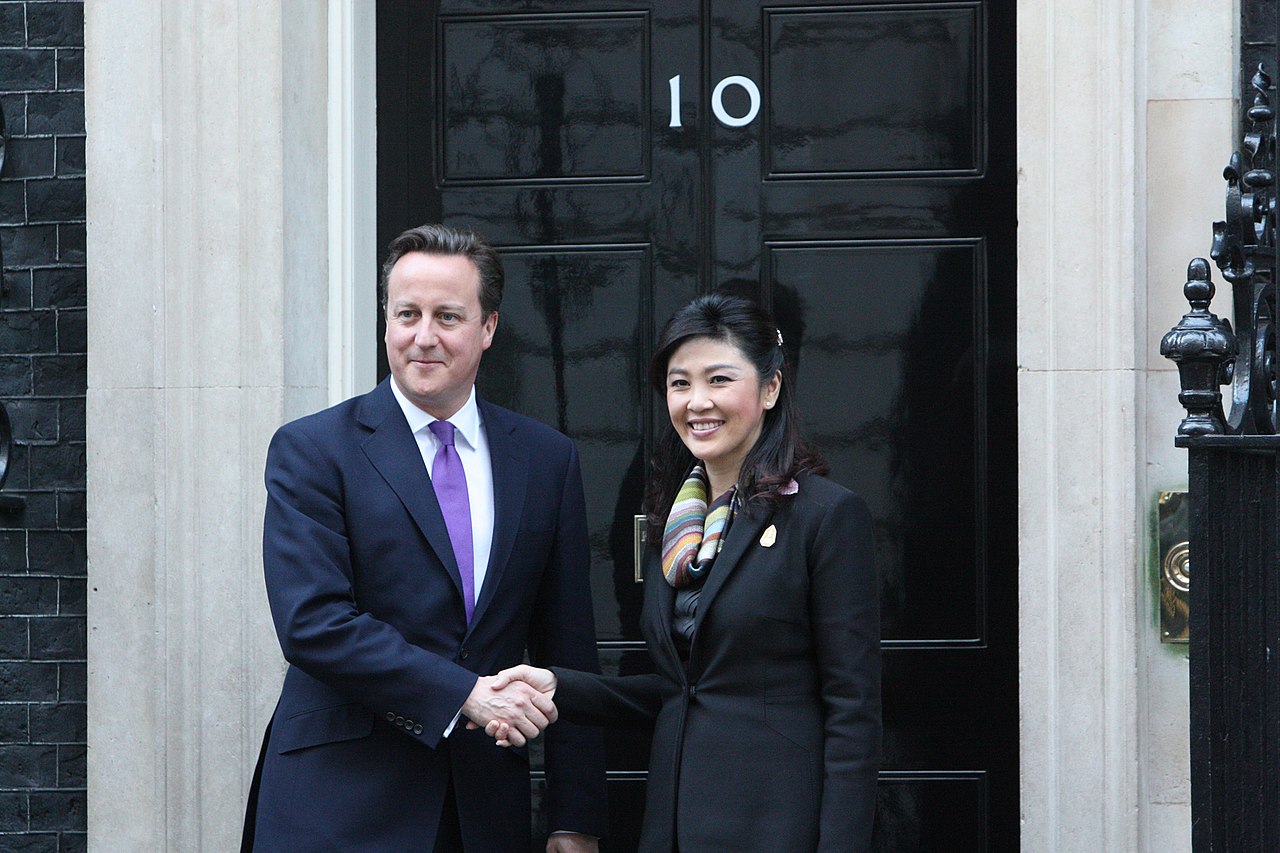
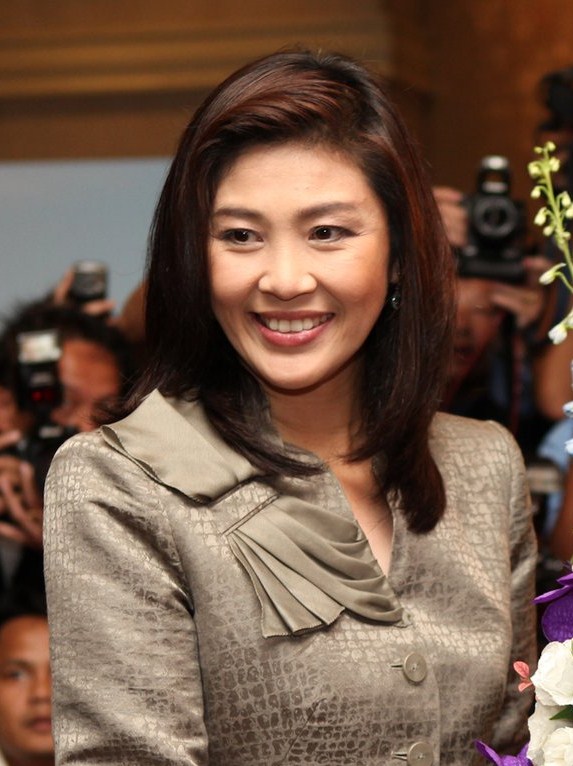
Yingluck Shinawatra (born 21 June 1967) is a Thai businesswoman and politician who led the government of Thailand from 2011 until 2014. A member of the Pheu Thai Party, she became Thailand’s first woman to hold the office of prime minister and was the country’s youngest leader in several decades. Her public life combined a background in the private sector with high-profile political responsibility and an abrupt, controversial end to her premiership.
Image gallery
10 Images




Names and background
Her Thai name and Romanizations are commonly cited in official sources; variations of the name and pronunciation appear in Thai-language references (Thai script, RTGS). Yingluck has a business background and entered politics as a prominent figure in the Pheu Thai Party (Pheu Thai), a political movement connected by supporters to earlier administrations. She also drew public attention for her familial connection to a former prime minister, which shaped expectations and criticisms during her time in office.
Political rise and premiership
Yingluck led the Pheu Thai Party into the 2011 general election and became prime minister following the party’s victory. Her government emphasized social programs and policies intended to benefit rural voters and lower-income households. Supporters credited her with stable administration and an inclusive public profile, while critics argued that some policies prioritized short-term political gains over long-term fiscal discipline.
Key policies and controversies
One of the most contentious initiatives during Yingluck’s term was a large-scale rice-pledging program designed to guarantee farmers a higher price for their harvest. The program proved politically popular among rural constituencies but drew criticism for its cost, administration, and alleged mismanagement. These disputes contributed to prolonged political polarization and legal scrutiny of members of her government.
Removal from office and legal matters
Yingluck’s premiership ended in May 2014 when the Constitutional Court removed her from office for abuse of power. Subsequent legal proceedings focused on alleged negligence related to the rice-pledging scheme and other administrative decisions. In 2017 Thai authorities issued a warrant associated with those proceedings and sought to bring her before the courts. Reports in that period described efforts to locate her ahead of a scheduled ruling (legal notices and reports).
Legacy and significance
Her tenure is significant for several reasons: she broke gender barriers in Thai national politics, represented a continuity of a political movement with deep rural support, and highlighted the tensions between populist policies and institutional checks in Thailand’s modern political system. Observers continue to debate her legacy: some view her as a pragmatic leader who extended social benefits, while others focus on governance failures and the legal consequences that followed.
Notable facts
- First female prime minister of Thailand and among the first women of ethnic Chinese descent to lead a UN member state government.
- Her administration’s rice-pledging scheme became a central point of legal and political contention.
- Removal by the Constitutional Court marked a sharp and contested end to her time in office.
Author
AlegsaOnline.com Yingluck Shinawatra: Thailand’s First Female Prime Minister Leandro Alegsa
URL: https://en.alegsaonline.com/art/133170