
Yōhei Kōno
Japanese politician, long-serving Speaker of Japan’s House of Representatives (2003–2009), former leader in the Liberal Democratic Party and author of the widely cited 1993 Kōno Statement on wartime "comfort women".
Yōhei Kōno (born 15 January 1937) is a senior Japanese politician best known for his long tenure as Speaker of the House of Representatives and for a government statement addressing wartime abuses. A prominent figure within the Liberal Democratic Party, he has played roles in national politics and public life for decades and belongs to a multigenerational political family.
Image gallery
3 Images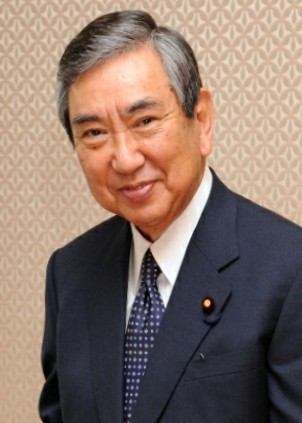


Career and principal offices
Kōno served as Speaker of the House of Representatives from November 2003 until August 2009, a period noted for its length: he held the speakership longer than any predecessor since the modern lower house was established in 1890. Earlier in his career he rose to leadership positions within the Liberal Democratic Party, including serving as party president in the early 1990s. He represented his constituency in the Diet for many years and was widely regarded as an experienced parliamentary operator.
Key roles
- Long-serving Speaker of the House of Representatives (2003–2009)
- President of the Liberal Democratic Party (early 1990s)
- President of the Japan Association of Athletics Federations (1999–2013)
Kōno Statement and historical legacy
In 1993, while holding a senior government post, Kōno issued a formal statement acknowledging that the Japanese military had been involved in the coercion of women into wartime sexual servitude. That declaration, commonly called the "Kōno Statement," has had lasting influence on public discussion, education and diplomacy in East Asia. It remains a central reference point in debates over wartime memory, reconciliation and Japan's relations with neighboring countries.
Other activities and family
Beyond elected office, Kōno led Japan's national athletics federation from 1999 to 2013, a period during which the organization prepared for international competition and governance reforms. He is also part of a political family: his father, Ichirō Kōno, was a major postwar politician, and other family members have been active in Japanese politics. Kōno's long public career has combined party leadership, parliamentary stewardship and public-service roles.
Today he is frequently cited in discussions of postwar politics, historical reconciliation and sports administration in Japan, and his name remains associated both with a notable parliamentary record and with efforts to address difficult aspects of 20th-century history.
Author
AlegsaOnline.com Yōhei Kōno Leandro Alegsa
URL: https://en.alegsaonline.com/art/133125