
Willie Mays: Life, Career, and Lasting Impact
Concise encyclopedia entry on Willie Mays — biography, playing style, major achievements, and his influence on baseball and culture.
Overview
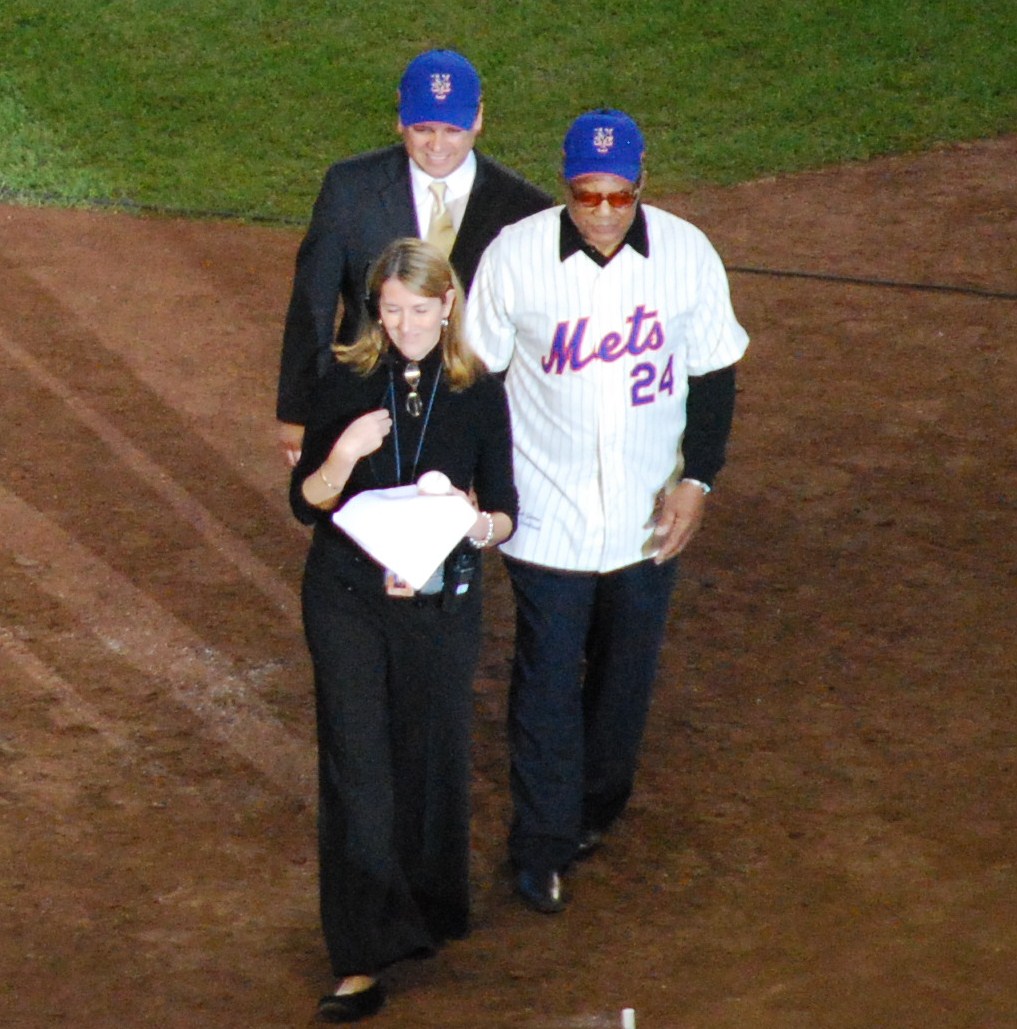
Willie Howard Mays Jr., nicknamed "The Say Hey Kid", is a retired American center fielder widely regarded as one of the greatest players in Major League Baseball. Born May 6, 1931, in Westfield, Alabama near Bessemer, he broke into the major leagues in the early 1950s and enjoyed a long career primarily with the New York and San Francisco Giants, finishing with the New York Mets. His play combined power, speed, defensive excellence and a strong throwing arm, and he remains a central figure in historical accounts of the sport.
Image gallery
10 Images


Early life and path to the majors
Mays grew up in rural Alabama and developed as a multi-sport athlete. Before his major league debut he gained experience playing for local and Negro league teams, a common pathway for talented Black players of his generation. His professional progress was briefly interrupted by military service in the early 1950s, after which he returned to the Giants and quickly established himself as a star.
Playing style and skills
Often described as a five-tool player, Mays combined above-average contact hitting with notable power, excellent speed on the bases, outstanding range in center field and one of the game's strongest, most accurate arms. His defensive plays became part of baseball lore; his ability to track down deep drives, time leaps at the wall and make throws in one motion set a standard for center fielders that influenced generations.
Career highlights and recognition
- Winner of multiple Most Valuable Player awards and a perennial All-Star selection during his peak years.
- Recipient of several Gold Glove awards that recognized his defensive mastery in center field.
- Key contributor to the Giants' 1954 championship season; his spectacular over-the-shoulder catch in that World Series is often referred to simply as "The Catch."
- Finishing his playing days with totals that place him among the leaders in career hits and home runs, he later gained election to the National Baseball Hall of Fame, securing his status among the sport's elite.
Later life, honors and influence
After retiring as a player, Mays remained closely associated with baseball and his former teams through public appearances and community involvement. He is widely cited in discussions of all-time greats for the balance of peak performance and longevity in his career. Beyond statistics, he became a prominent African American sports figure during a period of social change, and his career is often referenced in broader treatments of baseball's integration and cultural impact. For further context and detailed statistics, consult team histories and league resources such as the archives of Major League Baseball, the franchise histories of the Giants and the Mets, and regional accounts of his upbringing around Westfield and Bessemer.
Further reading
Biographies, team retrospectives and oral histories provide a fuller view of Mays's career, the context of professional baseball in the mid-20th century, and the continuing assessment of his place in the game's history. Official league records and curated collections remain useful starting points for researchers and fans alike; see resources associated with the sport and team archives for primary material and verified statistics on his accomplishments. General baseball references and specialized works on individual seasons or moments offer additional narrative and analysis.
Author
AlegsaOnline.com Willie Mays: Life, Career, and Lasting Impact Leandro Alegsa
URL: https://en.alegsaonline.com/art/133010