
William Donald Schaefer: Mayor, Governor and Comptroller of Maryland
William Donald Schaefer (1921–2011) was a prominent Maryland Democrat who served as Baltimore mayor, two-term governor of Maryland, and state comptroller, known for revitalizing Baltimore’s Inner Harbor.
Overview
William Donald Schaefer (November 2, 1921 – April 18, 2011), often called Bill Schaefer, was an American politician and member of the Democratic Party. He is best known for three long tenures in Maryland public life: Mayor of Baltimore (1971–1987), Governor of Maryland (1987–1995), and Comptroller of Maryland (1999–2007). Over several decades he became a widely recognized figure in state and local affairs, associated with urban renewal projects and a direct, plainspoken public style.
Image gallery
4 Images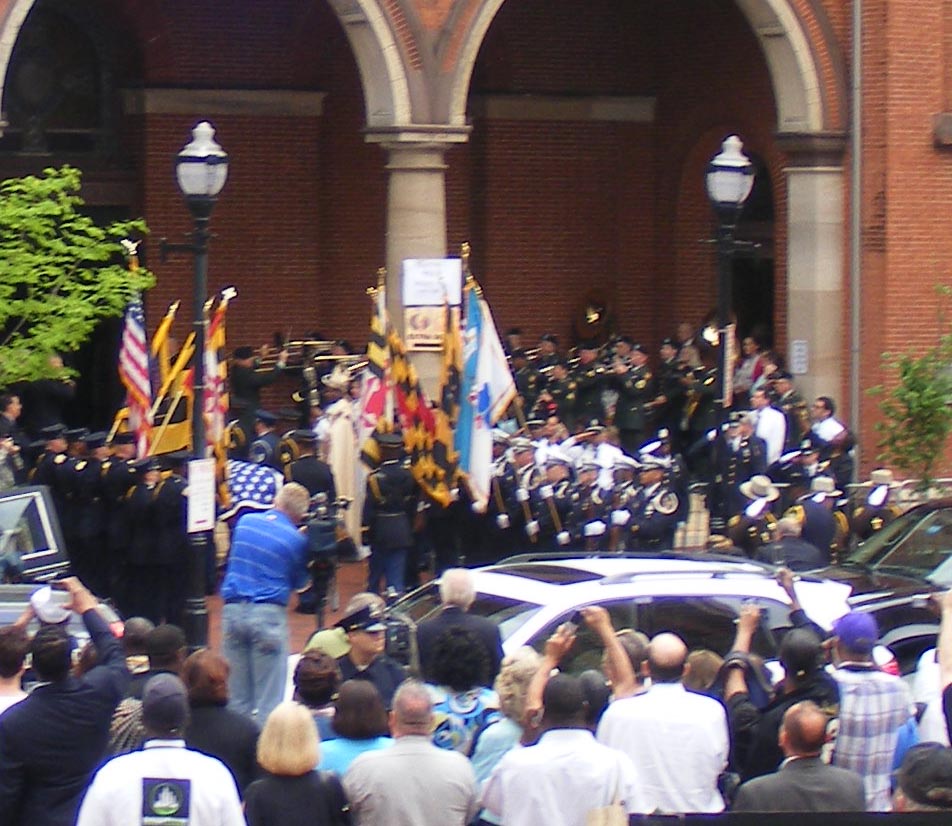


Major offices and initiatives
- Mayor of Baltimore (1971–1987): Schaefer presided during a period of downtown transformation, promoting projects intended to attract tourists, business, and cultural institutions to the waterfront.
- Governor of Maryland (1987–1995): As governor he focused on economic development, infrastructure, and state administration across two four-year terms.
- Comptroller of Maryland (1999–2007): In this fiscal oversight role Schaefer handled tax collection and financial reporting for the state while remaining a visible public figure.
Urban renewal and public image
Schaefer is widely credited with championing the redevelopment of Baltimore’s Inner Harbor and adjacent downtown neighborhoods, helping to create attractions and facilities that promoted tourism and commerce. Projects associated with the era included waterfront promenades, public marketplaces, museum and aquarium development, and convention facilities. His approach combined practical attention to municipal details with an emphasis on visible, symbolic investments intended to change perceptions of the city.
Style, reputation and controversies
Known for a blunt, folksy manner and frequent media presence, Schaefer cultivated an image as an energetic, hands-on executive. That style made him popular with many constituents but also led to occasional controversies and sharp public reactions to comments he made. He remained a polarizing figure at times, admired for results and criticized for bluntness.
Later years and legacy
After leaving the governor’s office, Schaefer returned to statewide office as comptroller in 1999 and served until 2007. In the 2006 Democratic primary he was defeated by Delegate Peter Franchot, ending his final term in office. Schaefer died in 2011. His legacy is most often discussed in terms of Baltimore’s physical and civic transformation during the late 20th century and his long, influential career in Maryland politics.
Notable facts
- He served in three distinct statewide or citywide roles across more than three decades, a rare continuity in modern state politics.
- His name is commonly linked to Baltimore’s waterfront renewal and to the broader movement toward urban redevelopment in many U.S. cities during the late 20th century.
- His public persona—direct, pragmatic, and often colorful—remains part of how local history remembers that era of Maryland government.
Author
AlegsaOnline.com William Donald Schaefer: Mayor, Governor and Comptroller of Maryland Leandro Alegsa
URL: https://en.alegsaonline.com/art/132908