
West Hills, Los Angeles
West Hills is a residential neighborhood in the western San Fernando Valley of Los Angeles, known for its suburban character, access to foothills and open space, parks, and an older-skewing resident population.
Overview
West Hills is a neighborhood on the western side of the San Fernando Valley within the City of Los Angeles. Predominantly residential, it is characterized by tree-lined streets, single‑family homes, and local commercial corridors. The neighborhood sits near foothills and canyon open space, which gives many areas a more suburban, less dense feel than central parts of the city.
Image gallery
10 Images
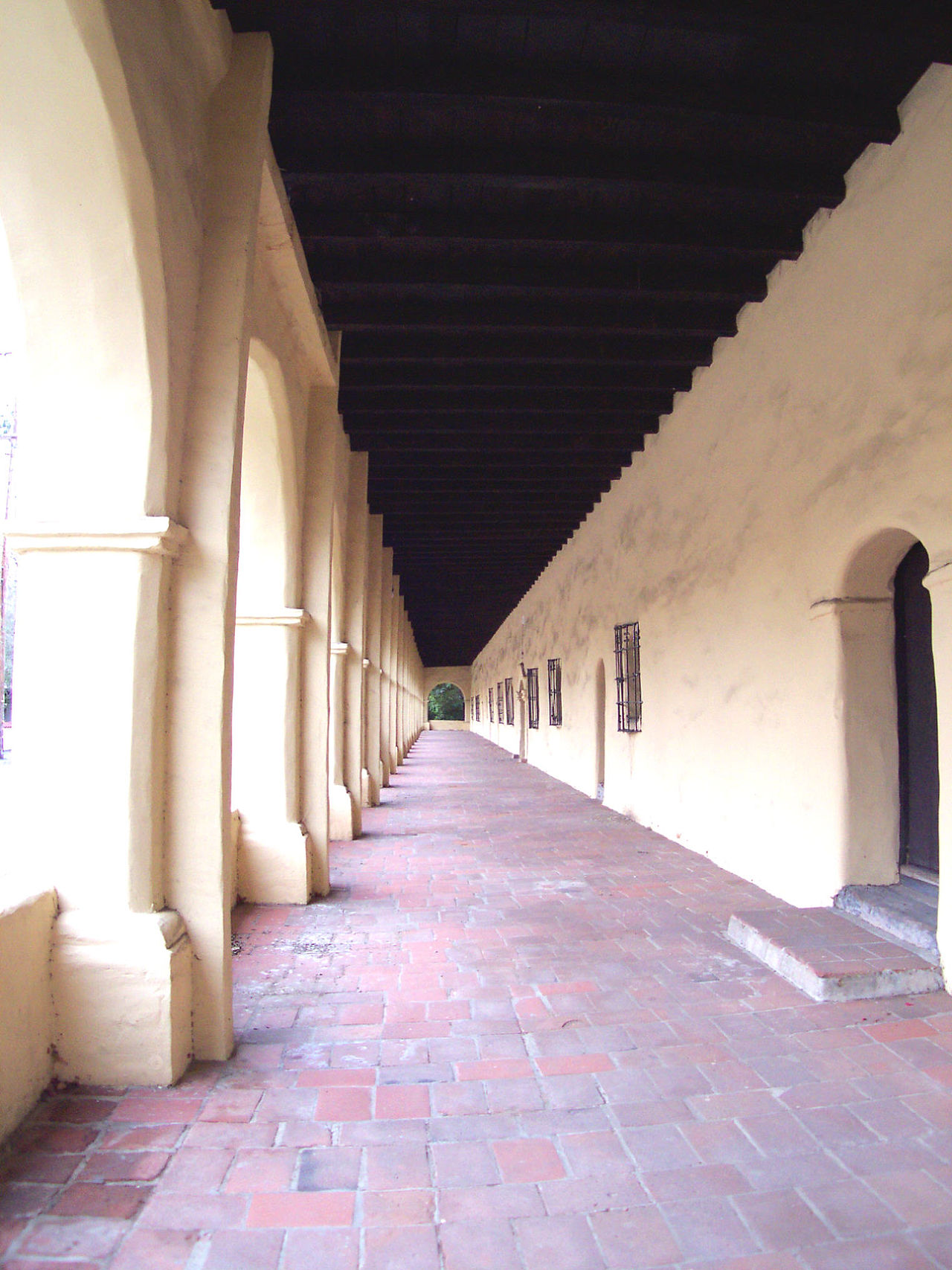


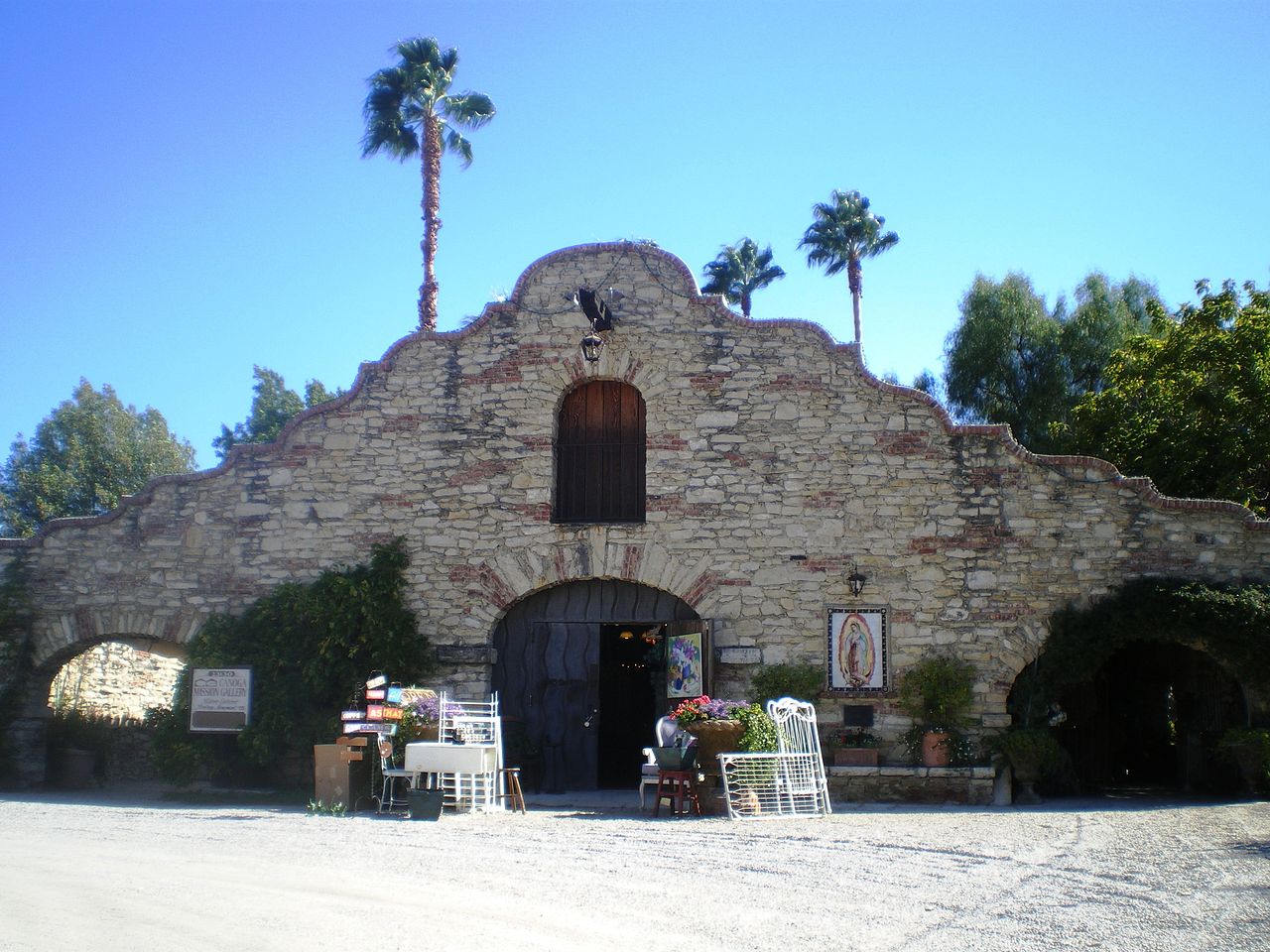


Geography and boundaries
West Hills occupies a portion of the valley floor and the lower slopes of surrounding hills. It is generally bordered by other San Fernando Valley communities and by undeveloped canyon and ridge areas. The mix of level residential tracts and nearby hills provides ready access to hiking and natural open space while remaining within the municipal limits of Los Angeles.
Parks, open space and recreation
The neighborhood is noted for its proximity to regional open‑space preserves and smaller neighborhood parks. Local trails, canyon areas and natural parks are popular for walking, mountain biking and wildlife viewing. Community parks host sports fields, playgrounds and recreation programs that serve families and older residents.
History and development
Originally agricultural and ranch land, West Hills developed into suburban subdivisions mainly during the 20th century, with much of the growth occurring after World War II. Postwar housing demand and the extension of roads and utilities transformed former groves and farms into residential neighborhoods and local business districts.
Community, services and transportation
The neighborhood is served by Los Angeles city services, public and private schools, libraries and community centers. A neighborhood council and active homeowner and civic groups participate in local planning and park stewardship. Transit service and major arterial streets connect West Hills to the rest of the San Fernando Valley and the wider Los Angeles region.
Demographics and character
West Hills is often described as a suburban pocket within the city, valued for quieter streets, stable single‑family neighborhoods and access to nature. It is known for having a relatively older median age and a substantial share of residents aged 35 and older compared with many other parts of Los Angeles. Long‑term homeowners and community organizations contribute to local identity and civic life.
Author
AlegsaOnline.com West Hills, Los Angeles Leandro Alegsa
URL: https://en.alegsaonline.com/art/132835