
Warren Christopher
American lawyer and diplomat who served as U.S. Secretary of State (1993–1997); previously Deputy Attorney General and a longtime private-practice attorney known for negotiation and multilateralism.
Warren Minor Christopher (October 27, 1925 – March 18, 2011) was an American lawyer and diplomat who played prominent roles in U.S. government and private practice. He is best known for serving as the 63rd U.S. Secretary of State during the first term of President Bill Clinton (1993–1997). Christopher combined legal training with a reputation for quiet, patient negotiation and an emphasis on alliances and multilateral institutions.
Image gallery
5 Images
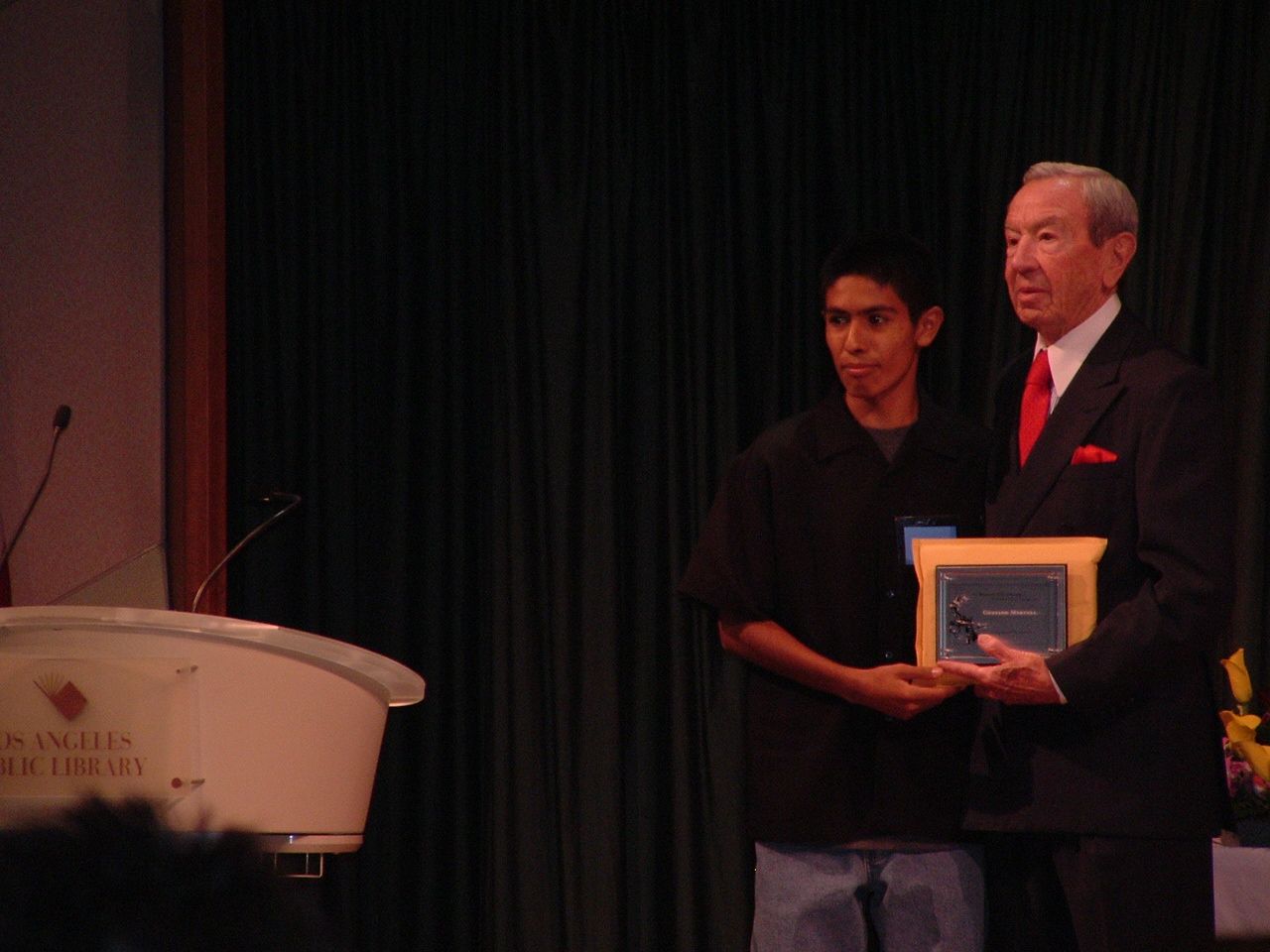


Career and major positions
Christopher had a long career that alternated between public service and private law practice. Key positions included:
- Deputy Attorney General of the United States (1967–1969), serving in the Lyndon B. Johnson administration.
- Partner and senior partner at a major Los Angeles law firm, where he spent decades handling corporate and international work.
- U.S. Secretary of State (1993–1997), overseeing American diplomacy during a period of post–Cold War transition.
Approach to diplomacy and policy
Christopher favored diplomacy rooted in coalition-building, law, and institutions. He sought to reinforce alliances, strengthen the emerging international order after the Cold War, and use negotiation to resolve disputes. His method was often described as deliberative and consensus-oriented, preferring careful preparation and quiet shuttle diplomacy to public confrontation.
Notable events and legacy
During his tenure as Secretary of State, Christopher dealt with a range of international crises and initiatives: the Balkan conflicts and peace efforts in Bosnia, the continuing Middle East peace process, post–Cold War relations with Russia and the former Soviet states, and emerging challenges in global security. Some critics argued the U.S. response to humanitarian crises in the 1990s was too limited; supporters credit Christopher with stabilizing relations with partners and advancing negotiated settlements in difficult disputes.
After leaving government, Christopher returned to legal practice, served on boards and commissions, and remained active in public affairs as an elder statesman. He left a legacy as a skilled negotiator who preferred quiet diplomacy and institution-building over unilateral action.
He was born in 1925 and died in 2011; his career is often cited in discussions of post–Cold War American foreign policy and the role of diplomacy in complex multinational problems.
Author
AlegsaOnline.com Warren Christopher Leandro Alegsa
URL: https://en.alegsaonline.com/art/132772