
Vittorio Amuso
American mobster and longtime boss of New York's Lucchese crime family (1987–2012), now serving life for murder and racketeering convictions.
Vittorio Amuso (born 1934) is an American mobster who led the Lucchese crime family for decades. Based in New York City, he rose through organized-crime ranks and became the family's boss in the late 1980s. Authorities later convicted him on RICO, murder and related charges; he is serving a life sentence and remains a prominent figure in accounts of late 20th-century organized crime. For background on his public profile see Vittorio Amuso.
Image gallery
8 Images


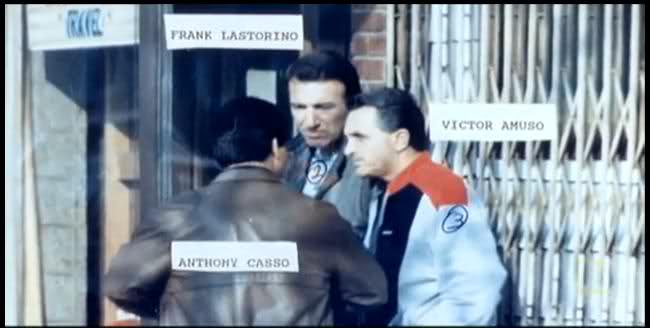


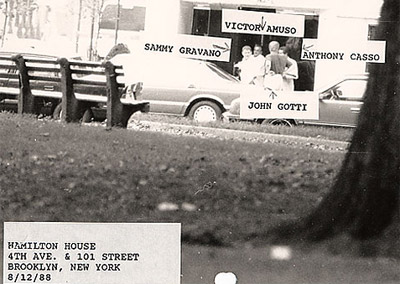
Rise and position within the Lucchese family
Amuso built his position over many years as a made member, participating in activities typical of Mafia families of the period: loansharking, extortion, labor rackets and control of illegal and legitimate businesses. His appointment as boss followed a period of upheaval in the family and reflected both internal alliances and the shifting balance of power in New York's organized-crime scene.
Leadership style and organization
As boss, Amuso was known for a hardline, often secretive approach toward rivals and perceived disloyalty. He and his close associates sought to consolidate control through a hierarchy of trusted lieutenants and acting bosses, and he reportedly continued to issue orders after incarceration. His underboss played an influential role in day-to-day operations and later became a key government witness, a development that significantly affected the family's stability.
Prosecution, convictions and incarceration
Federal prosecutors pursued Amuso as part of broader efforts to dismantle organized-crime networks. He was convicted on charges that included racketeering and participation in murders and was sentenced to life imprisonment. Authorities have alleged that some killings were ordered to protect or advance the family's interests; those convictions form the basis of his current sentence for murder and related offenses.
Legacy and notable facts
- Born in 1934, Amuso became boss in the late 1980s and is often associated with a turbulent era for the Lucchese family.
- His tenure saw aggressive internal enforcement and several high-profile prosecutions that produced cooperating witnesses.
- The disruption from indictments, informants and life sentences for leaders marked a long-term decline in the family's public power.
Today Amuso is chiefly remembered in law-enforcement and criminal-history sources as a symbol of the era when federal prosecutions and plea cooperation reshaped organized crime in the United States. His case illustrates how internal violence, legal pressure and witness cooperation combined to alter traditional Mafia structures.
Author
AlegsaOnline.com Vittorio Amuso Leandro Alegsa
URL: https://en.alegsaonline.com/art/132644