
Viktor Tsoi — Soviet singer-songwriter and leader of Kino
Viktor Tsoi (1962–1990) was a Soviet rock singer-songwriter and co-founder of Kino, a defining voice of late Soviet youth. He remains an influential cultural figure across the post‑Soviet space.
Overview
Viktor Robertovich Tsoi (Russian: Ви́ктор Ро́бертович Цой; 21 June 1962 – 15 August 1990) was a Soviet singer, songwriter and frontman whose music and persona became emblematic of late‑Soviet youth. He co‑founded the band Kino, which rose from the underground rock scene to wide popularity during the 1980s.
Born to a family of mixed Korean and Russian heritage, Tsoi grew up in Leningrad (now Saint Petersburg). He came to music through local scenes of informal concerts and shared recordings, developing a direct songwriting style that blended rock instrumentation with concise, often ambiguous lyrics about personal freedom, social feeling and everyday life.
Image gallery
5 Images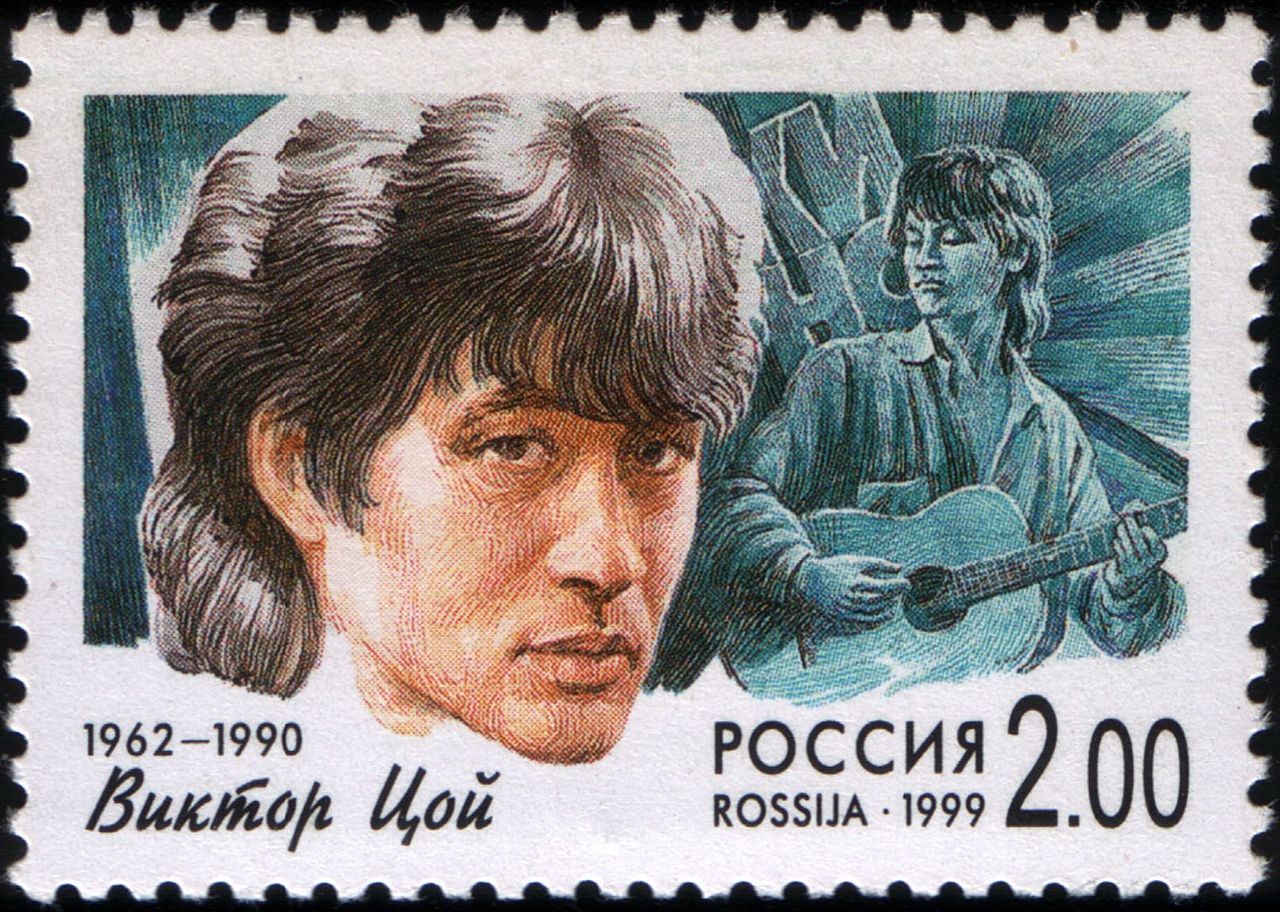


Music and themes
With Kino, Tsoi helped define a stripped‑down rock sound characterized by clear melodies, driving rhythms and memorable choruses. His songs addressed themes of identity, hope and alienation in ways that resonated with young listeners during the era of perestroika. A number of his tracks became enduring anthems:
- "Gruppa krovi" (Blood Type)
- "Zvezda po imeni Solntse" (A Star Called the Sun)
- "Pachka sigaret" (A Pack of Cigarettes)
- "Kukushka" (Cuckoo)
Tsoi also appeared on screen, most notably in the 1987 film Assa, which helped introduce his music to wider Soviet audiences and cemented his image as a cultural icon.
Death and legacy
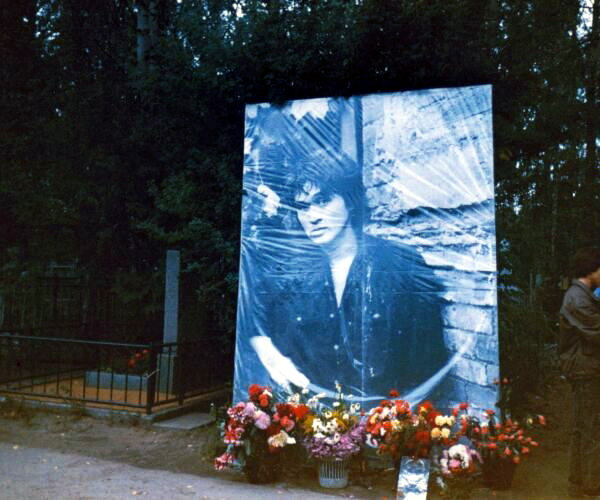
On 15 August 1990 Tsoi died in a car accident in Latvia. His sudden death produced an outpouring of grief and accelerated his mythic status. He is buried in Saint Petersburg, and his memory is preserved through numerous tributes, covers, murals and the well‑known slogan "Tsoi zhiv" ("Tsoi is alive") scrawled on walls across cities.
Decades after his passing, Viktor Tsoi's work continues to influence musicians, filmmakers and listeners across the former Soviet Union. His songs remain staples on radio, and his image endures as a symbol of artistic independence and generational voice.
Author
AlegsaOnline.com Viktor Tsoi — Soviet singer-songwriter and leader of Kino Leandro Alegsa
URL: https://en.alegsaonline.com/art/132586