
Viktor Chernomyrdin (1938–2010)
Russian statesman and energy executive; first chairman of Gazprom and longest-serving post-Soviet prime minister, known for pragmatic management of the gas sector and memorable aphorisms.
Overview
Viktor Stepanovich Chernomyrdin (9 April 1938 – 3 November 2010) was a Russian political figure and energy executive who played a central role in the country's transition after the Soviet Union. He became the first chairman of the state-controlled energy concern Gazprom and later served as Prime Minister of Russia from 1992 until 1998, the longest uninterrupted tenure in that office in the post-Soviet era. The Russian-language form of his name and biographical entries are commonly available in Russian sources (Russian spelling).
Image gallery
4 Images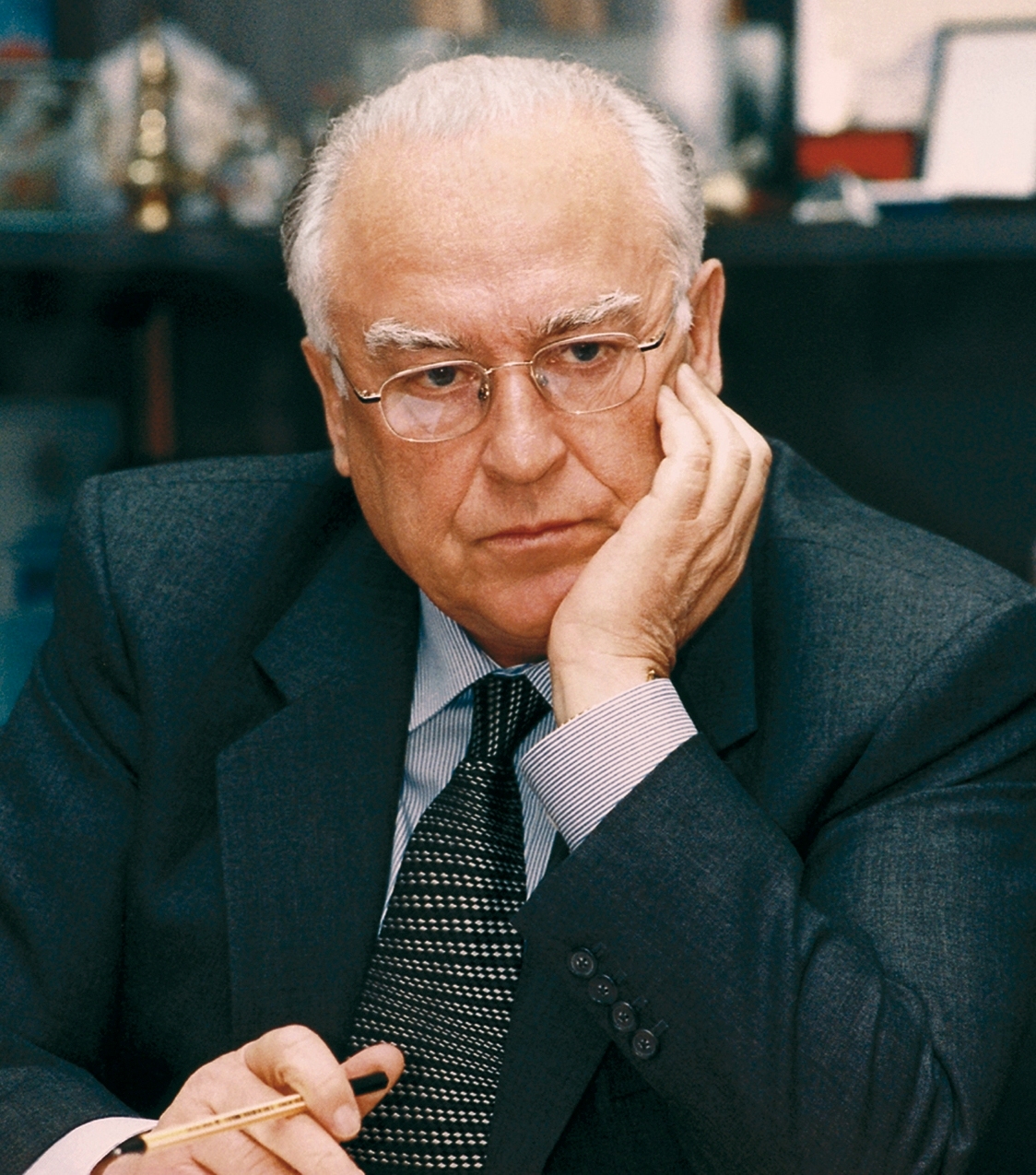


Career and roles
Chernomyrdin's professional background was rooted in the Soviet gas industry, where he rose through technical and managerial ranks. In the early 1990s he became a leading figure in efforts to reorganize the state gas monopoly and to adapt the sector to market conditions. His major public offices and affiliations included:
- Chairman and senior executive roles at Gazprom during its formative years.
- Prime Minister of the Russian Federation (1992–1998), overseeing economic policy through a turbulent decade.
- Founder and leader of the centrist political grouping "Our Home — Russia," created as a pro-government party supporting stability and gradual reform.
- Later diplomatic and advisory posts, including service as Russia's ambassador to Ukraine in the 2000s and other presidential assignments.
Approach and significance
Known for a pragmatic, managerial approach, Chernomyrdin emphasized steady administration of the energy sector and sought compromise between rapid liberalization and state control. As prime minister he presided over important stages of economic transition — stabilizing parts of the administration but also facing criticism for slow reform, the emergence of powerful private groups around strategic assets, and the uneven social effects of market change. Observers credit him with preserving continuity in energy deliveries and building institutional links between the state and industry, while critics argue his policies favored entrenched interests.
Personality, sayings and public image
Chernomyrdin became a recognizable public figure not only for policy but also for his plainspoken, sometimes humorous manner. Several aphorisms and malapropisms were widely repeated in the Russian press and popular culture; one oft-cited phrase attributed to him expresses the limits of policy expectations and has become part of modern political folklore. His style made him a distinctive presence in debates about Russia's direction in the 1990s and earned him a reputation as an earthy, managerial politician.
Legacy and assessments
Assessments of Chernomyrdin's legacy are mixed. Supporters emphasize his role in maintaining energy supplies, managing a complex state enterprise during privatization, and providing a measure of administrative stability. Critics point to the concentration of economic power that accompanied the 1990s reforms and to political compromises that reinforced oligarchic influence. Histories of post-Soviet Russia treat him as a central actor in questions of energy policy, state-business relations, and the development of contemporary Russian governance (politician, Prime Minister of Russia).
He died in 2010, and discussions of his record continue to inform debates about the balance between state direction and market reform in Russia's modern history.
Author
AlegsaOnline.com Viktor Chernomyrdin (1938–2010) Leandro Alegsa
URL: https://en.alegsaonline.com/art/132580