
Vigdís Finnbogadóttir: Icelandic President and the First Elected Female Head of State
Vigdís Finnbogadóttir (born 1930) served as President of Iceland from 1980 to 1996, becoming the world’s first woman elected head of state. Her presidency advanced culture, language, and international cultural diplomacy.

Overview
Vigdís Finnbogadóttir (born 15 April 1930) served as President of Iceland from 1980 until 1996. She was the fourth president of the republic and the first woman in the world to be elected head of state in a democratic election. Her sixteen-year tenure made her the longest-serving elected female head of state to date. Vigdís combined ceremonial duties with a visible role in promoting Icelandic culture, language preservation and international cultural ties.
Image gallery
2 Images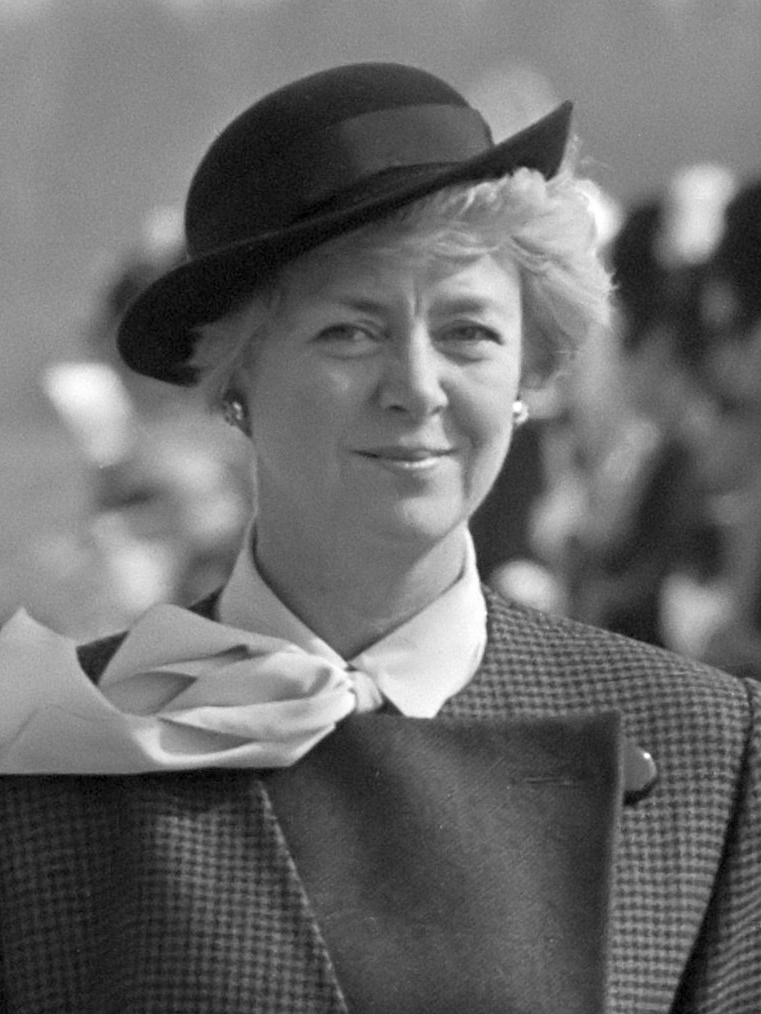

Early life and education
Born and raised in Iceland, Vigdís studied literature, drama and education in several European institutions. She studied at the University of Grenoble and at the Sorbonne in Paris, and later completed studies at the University of Iceland. She graduated in English and French literature and trained as a teacher, later working in theatre and cultural programming before entering public life. Her background in languages and the arts shaped much of her presidential interests.
Presidency (1980–1996)
Vigdís was elected president in 1980 and took office as a widely admired public figure. She was re-elected unopposed in 1984 and again in 1992, and in 1988 won a contested election. Her presidency was notable for a popular and non-partisan public image; while the Icelandic presidency is constitutionally largely ceremonial, she used the office to spotlight national heritage and social issues without aligning with party politics.
Initiatives and public focus
- Cultural promotion: Vigdís placed strong emphasis on Icelandic language, literature and performing arts, encouraging cultural education at home and cultural diplomacy abroad.
- Language and education: She advocated for language preservation policies and supported programs to teach Icelandic and promote bilingualism.
- Environmental and social causes: During and after her presidency she lent attention to environmental conservation, sustainable development and expanding opportunities for women in public life.
International role and recognition
Vigdís represented Iceland on state visits and international cultural platforms, strengthening ties with other nations through soft diplomacy. After leaving office she continued to serve in public and cultural roles: she has been a UNESCO Goodwill Ambassador and a member of the Club of Madrid, organizations that bring former heads of state and international figures together to support democracy, education and cultural exchange.
Legacy and notable facts
Vigdís Finnbogadóttir is widely remembered for breaking a major barrier for women in politics by becoming the first elected female head of state in modern democratic history. Her presidency fostered greater attention to small-state cultural identity and demonstrated how a largely ceremonial office can be used to promote national values and global cultural relations. For more on Iceland's government and history see Iceland, and for background on the French universities she attended see sources for the Sorbonne and Grenoble.
Author
AlegsaOnline.com Vigdís Finnbogadóttir: Icelandic President and the First Elected Female Head of State Leandro Alegsa
URL: https://en.alegsaonline.com/art/132574