
Valdas Adamkus: Lithuanian statesman and twice-elected president
Overview of Valdas Adamkus, his early life, emigration, two presidential terms (1998–2003; 2004–2009), public service, policy priorities, and later activities.
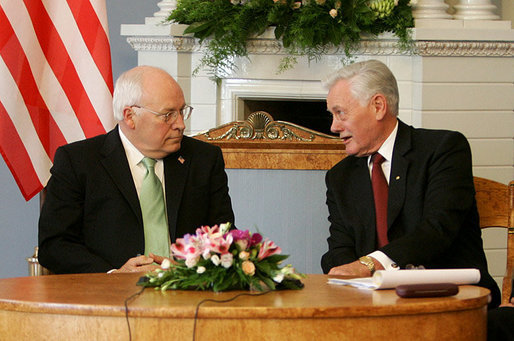
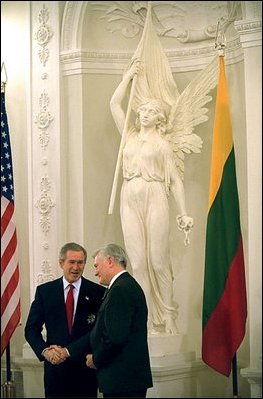
Valdas Adamkus (born Valdemaras Adamkavičius, 3 November 1926) is a Lithuanian engineer and politician who served two non-consecutive terms as President of Lithuania. A prominent figure in Lithuania's post‑Soviet political landscape, Adamkus combined a professional background in engineering and public administration with a reputation for integrity and pragmatic diplomacy.
Image gallery
5 Images


Early life and emigration
Adamkus was born in Kaunas, in what is now Lithuania. During and after World War II he left the country and eventually settled in the United States, where he pursued a career in engineering and public service. In the U.S. he worked in civil engineering and later held positions connected with environmental protection and regulatory administration. His experience abroad and ties with the Lithuanian diaspora shaped his outlook on democratic governance and transatlantic cooperation.
Return to Lithuania and rise to the presidency
After Lithuania regained independence, Adamkus returned to take part in public life. He was first elected president in 1998, winning broad support as an independent candidate who emphasized anti‑corruption, administrative reform, and strengthening relations with Western institutions. He served a five‑year term, during which he focused on rule of law, modernizing state institutions, and advocating Lithuania's integration with NATO and the European Union.
Second term and political context
Following the impeachment and removal of President Rolandas Paksas in 2004, Adamkus stood again for the presidency and won re‑election to complete a second term. His return was seen as a stabilizing influence during a turbulent period. Adamkus maintained a low‑partisan approach while pressing for transparency and resisting misuse of public office. He chose not to run for re‑election in 2009 and was succeeded by Dalia Grybauskaitė on 12 July 2009.
Policies, style, and notable aspects
- Governance: Promoted administrative reform, civic responsibility, and measures to combat corruption.
- Foreign policy: Advocated close ties with the EU and NATO and emphasized Lithuania’s role in European security.
- Public persona: Known for modesty, an engineer’s attention to detail, and a pragmatic non‑ideological tone.
Personal life and later activities
In 1951 he married Alma Adamkienė, who became a respected public figure in her own right. After leaving the presidency, Adamkus continued to engage in international development, diplomacy, and civil society initiatives. He has been associated with academic and diplomatic organizations, including membership in institutions focused on European diplomacy, and remains an influential elder statesman in Lithuanian public life.
Adamkus's career bridges emigration and return, technical training and high office, and reflects the wider story of Lithuania’s transition from Soviet republic to independent member of the European and transatlantic community. For more detailed accounts of his policies and speeches consult major biographical and governmental sources or specialized studies of Lithuania’s post‑1990 politics.
Author
AlegsaOnline.com Valdas Adamkus: Lithuanian statesman and twice-elected president Leandro Alegsa
URL: https://en.alegsaonline.com/art/132424