
Václav Klaus — Czech economist and politician
Václav Klaus (born 1941) is a Czech economist and conservative politician who led market reforms in the 1990s and served as President of the Czech Republic from 2003 to 2013.
Václav Klaus (born 19 June 1941) is a Czech economist and politician known for his central role in the Czech Republic's post-communist transformation. He served as President of the Czech Republic from 2003 to 2013 and was a leading figure in national politics during the 1990s and 2000s. Klaus is widely associated with rapid market-oriented reforms, privatization and a skeptical stance on aspects of European integration and climate policy.
Image gallery
9 Images


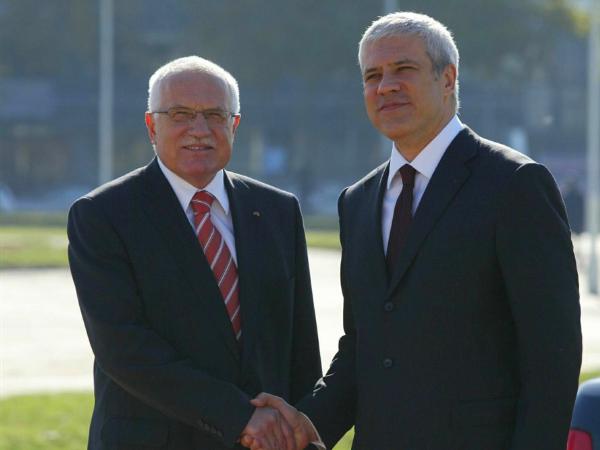

Early life and economic background
Trained as an economist, Klaus came to prominence during the collapse of communism in Czechoslovakia. His technical background informed his approach to policy, emphasizing liberalization, deregulation and fiscal discipline. This economic outlook shaped both his party politics and later executive decisions.
Political career and offices
Klaus was a founder and long-time leader of the Civic Democratic Party (ODS), a center-right political formation that emerged after 1989. He served as head of governments in the 1990s and later won the presidency, serving two terms. His administration pursued privatization of state assets and reforms intended to move the economy toward competitive markets.
Positions and public views
Klaus has been known for strong advocacy of national sovereignty, skepticism toward rapid European federal integration and resistance to adopting the euro. He has also publicly questioned mainstream views on anthropogenic climate change, a stance that drew international attention and debate. He continued to publish and speak on economic and political subjects after leaving office.
Controversies and legacy
- The end of his presidency was marked by controversy over a presidential amnesty he declared in 2013, which pardoned certain convicts and suspended some ongoing investigations; this decision prompted public criticism and legal debate.
- His outspoken positions on Europe and climate change made him a polarizing figure: admired by supporters for defending national autonomy and market reforms, criticized by opponents for perceived obstructionism and statements that challenged scientific or judicial consensus.
Importance and further reading
Václav Klaus remains an influential and contested figure in Czech public life. His role in the country's economic transformation and his later presidency make him a central subject for studies of post-communist Central Europe. For official or archival materials and further commentary see additional resources.
Author
AlegsaOnline.com Václav Klaus — Czech economist and politician Leandro Alegsa
URL: https://en.alegsaonline.com/art/132410