
Tariq Ramadan: Swiss Muslim academic and proponent of Euro-Islam
Swiss academic and theologian who advocates a contextual, European approach to Islam (often called Euro-Islam); prominent public intellectual and later involved in high-profile sexual-assault allegations.
Overview
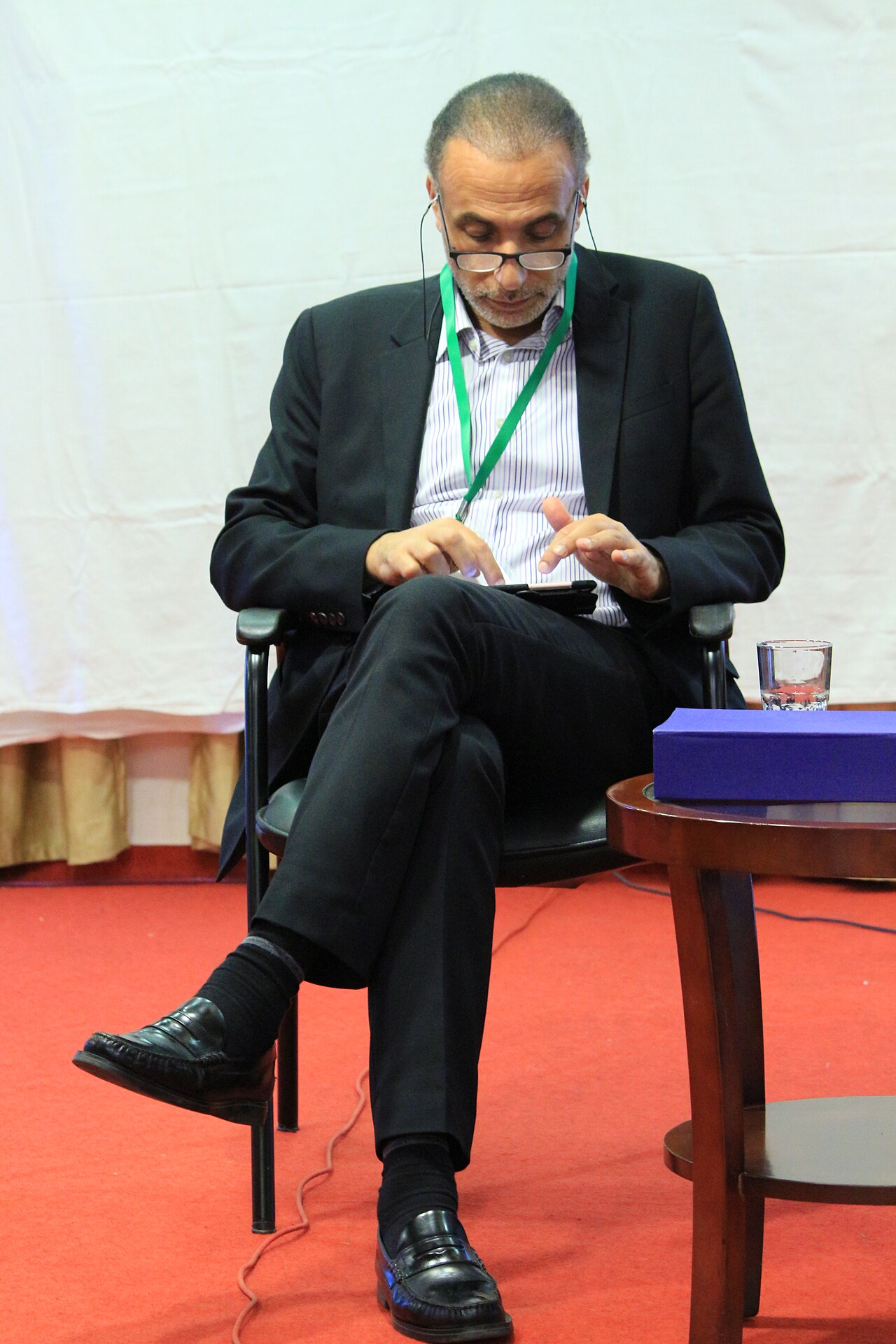
Tariq Ramadan (born 26 September 1962 in Geneva) is a Swiss Muslim academic, public intellectual and theologian known for arguing that Muslim communities in Europe must interpret Islamic sources in ways that respond to contemporary European contexts. His work emphasizes the study of scripture alongside engagement with the social, political and legal realities faced by Muslims in Western societies. For further basic biographical references see biographical sources.
Image gallery
4 Images


Ideas and themes
Ramadan has been associated with the term Euro-Islam, a label applied to thinkers who seek to reconcile Islamic traditions with European civic norms. His scholarship and public commentary stress several recurring themes:
- Contextual interpretation: reading the Qur'an and classical texts with attention to historical circumstances and present-day realities;
- Ijtihad and renewal: encouraging reasoned reinterpretation rather than literalist readings of scripture;
- Engagement with modernity: arguing that Muslims can be fully part of European societies while retaining religious identity;
- Dialogue and civic participation: promoting participation in democratic life and interfaith conversation.
These positions place him between conservative literalists and assimilationist approaches, advocating a reformist but religiously rooted response to integration challenges.
Background and career
Born into a family with a notable political and religious history, Ramadan trained academically in Europe and became an active lecturer, author and commentator on Islam in the modern world. He has written and lectured in multiple languages and engaged with universities, think tanks and public debates across Europe and beyond. His work has been translated and discussed widely by scholars, journalists and policymakers interested in questions of religion, pluralism and citizenship.
Controversies and legal proceedings
From 2017 onward Ramadan became the focus of major controversy after several women publicly accused him of sexual assault. In November 2017 these accusations were reported in the press, and in late January 2018 he was taken into custody by French authorities and later charged in connection with alleged rapes. Media coverage, public reactions and institutional responses were extensive, with some organizations suspending or reassessing ties to him. For reporting on these allegations and subsequent legal developments see coverage of allegations. Reliable accounts stress that allegations, investigations and legal decisions are matters of public record and legal process.
Reception and legacy
Ramadan's intellectual contributions have been influential in debates about how Islam relates to liberal democracies, multiculturalism and secular legal systems. At the same time, his career illustrates how public intellectuals can become polarizing figures when scholarly debates intersect with personal and legal controversies. Assessments of his influence vary: some view him as a leading voice for a modern, engaged European Islam; others criticize his positions or question institutional choices to platform him. In either case, his work has stimulated continued discussion on the interpretation of religion in changing social contexts.
Readers seeking more detailed chronologies of his publications, institutional roles and the legal record should consult multiple reputable sources and official documents to follow subsequent developments and rulings.
Author
AlegsaOnline.com Tariq Ramadan: Swiss Muslim academic and proponent of Euro-Islam Leandro Alegsa
URL: https://en.alegsaonline.com/art/131606