
Tamerlan Tsarnaev (1986–2013)
Tamerlan Tsarnaev was the older brother involved in the Boston Marathon bombing of April 15, 2013. The attack killed three people, injured hundreds, and led to a multi-day manhunt in the Boston area.
Overview
Tamerlan Anzorovich Tsarnaev (October 21, 1986 – April 19, 2013) was the elder of two brothers implicated in the April 15, 2013 Boston Marathon bombings. The twin pressure-cooker bombs detonated near the marathon finish line killed three people and injured hundreds. Tamerlan was killed during the subsequent confrontation with law enforcement while his younger brother, Dzhokhar Tsarnaev, was later captured, charged in federal court, and convicted for his role.
Image gallery
4 Images


Background and early life
Tamerlan came from a family of North Caucasus origin and grew up in the United States after emigrating with his family. In adulthood he was known locally as an amateur boxer and had participated in regional competitions. Over time he developed more conservative religious views and, according to investigations, was exposed to material and contacts that influenced his beliefs.
Events of April 15, 2013 and the manhunt
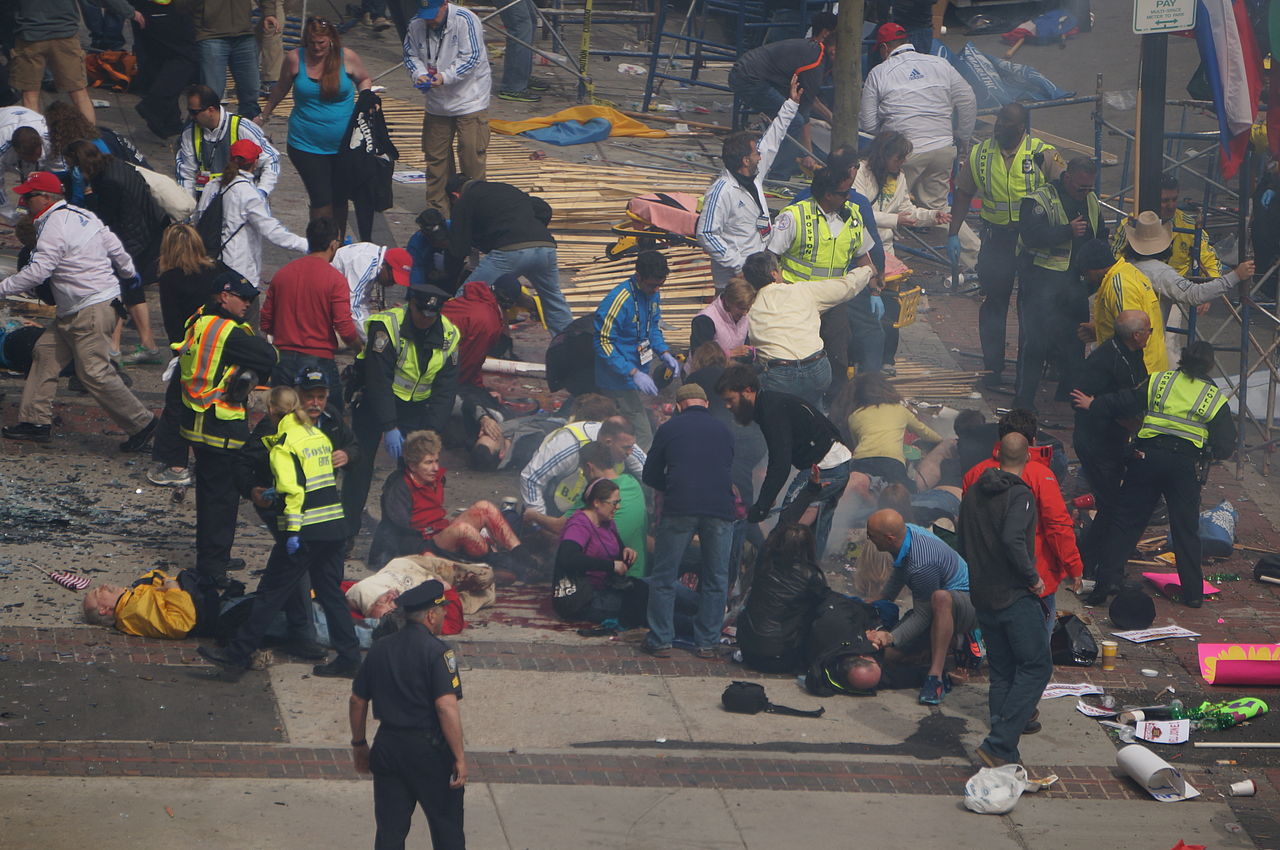
On April 15, homemade bombs exploded near the marathon finish line. The immediate aftermath included extensive emergency response and a citywide lockdown as law enforcement pursued leads. During the ensuing days, an MIT police officer was killed and a shootout occurred in which Tamerlan was critically wounded; he died shortly afterward. His younger brother fled, was later captured after a large-scale manhunt, and was prosecuted.
Investigations and motives
Federal and local authorities conducted extensive investigations into planning, funding, and ideological motive. Reports from those inquiries indicated the brothers had been influenced by extremist interpretations of global conflicts and had researched targets and tactics. Authorities described Tamerlan as the older sibling who played a key role in planning and executing the attack.
Aftermath and legacy
The bombings prompted policy and practical changes in public-event security, emergency medical response, and counterterrorism cooperation across jurisdictions. Victim assistance programs and community responses also continued for years after the attack. The case remains a reference point in discussions about radicalization, homeland security, and the challenges of preventing low-technology attacks in open societies.
Notable facts
- The bombings killed three people and injured hundreds.
- Tamerlan Tsarnaev died during a confrontation with police; his brother was tried and convicted in federal court.
- The incident spurred wide-ranging reviews of event security and emergency medical procedures.
Author
AlegsaOnline.com Tamerlan Tsarnaev (1986–2013) Leandro Alegsa
URL: https://en.alegsaonline.com/art/131574