
Takeo Fukuda
Takeo Fukuda (1905–1995) was a Japanese politician who led the government as Prime Minister from 1976 to 1978 and promoted a postwar diplomatic approach known as the Fukuda Doctrine.
Takeo Fukuda (14 January 1905 – 5 July 1995) was a Japanese politician and leader of the Liberal Democratic Party who served as Prime Minister of Japan from 24 December 1976 to 7 December 1978. His tenure is best remembered for a cautious foreign policy emphasizing peaceful cooperation with neighboring countries and for efforts to steady Japanese politics after a turbulent period in the 1970s.
Image gallery
6 Images

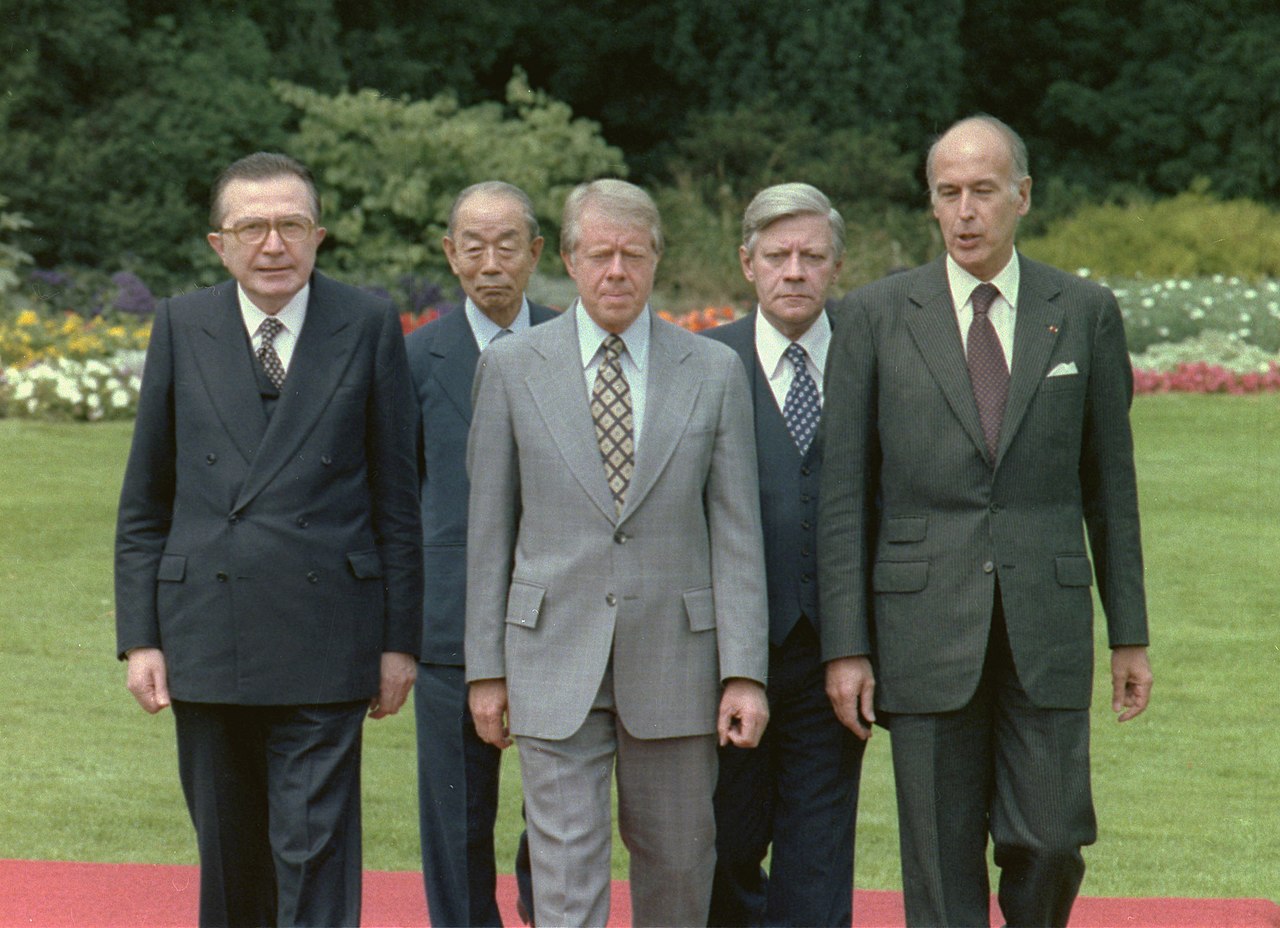


Early life and political rise
Born in 1905, Fukuda entered national politics in the decades after World War II and built a long career within the dominant conservative party. Over many years he held ministerial posts and party positions that prepared him for leadership of the government. He was regarded as a pragmatic factional leader within the Liberal Democratic Party, able to bridge competing interests.
Prime ministership and policies
Fukuda became prime minister at a time when Japan was managing the economic and political effects of the 1970s, including the aftermath of oil shocks and public concern about political corruption. His government emphasized fiscal restraint, continuity of economic growth, and rebuilding public confidence in political institutions. Domestically his approach tended to favor consensus and bureaucratic management rather than abrupt reforms.
Fukuda Doctrine and foreign relations
In 1977 Fukuda articulated a set of principles for relations with Southeast Asia that became known as the "Fukuda Doctrine." The doctrine stressed three themes:
- Japan as a peaceful nation, avoiding military entanglement;
- Equal partnership and mutual respect between Japan and Southeast Asian states;
- Economic cooperation and support for regional development.
These guidelines shaped Tokyo's diplomacy toward its Asian neighbors and contributed to stronger economic and political ties in the region.
Legacy and later life
After leaving office in 1978, Fukuda remained an influential elder statesman. His emphasis on stability and regional partnership left a mark on Japan's postwar diplomacy. He is also noted as the father of Yasuo Fukuda, who later served as prime minister from 2007 to 2008. Takeo Fukuda died in 1995, and historians remember him for promoting cautious stewardship of Japan's economic recovery and for framing a constructive Asian policy that endured beyond his premiership.
Author
AlegsaOnline.com Takeo Fukuda Leandro Alegsa
URL: https://en.alegsaonline.com/art/131557