
Taj Mahal (musician) — American blues and world-music innovator
Taj Mahal (born Henry Saint Clair Fredericks, May 17, 1942) is an American blues musician and multi‑instrumentalist known for blending traditional blues with global musical traditions.
Taj Mahal is the stage name of Henry Saint Clair Fredericks (born May 17, 1942), an American blues musician who has been active since the 1960s. He gained attention for bringing a broad, international sensibility to roots music, incorporating sounds from Africa, the Caribbean, the South Pacific and Hawaii into a blues framework.
Image gallery
8 Images
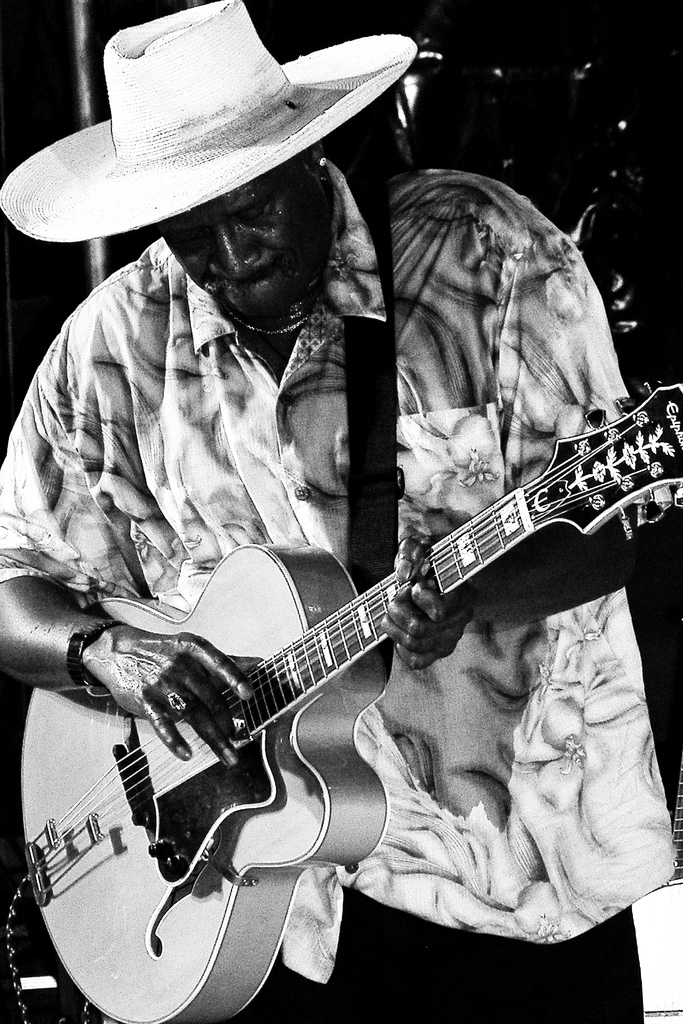


Musical style and instruments
Rather than adhering to a single blues subgenre, Taj Mahal is celebrated for mixing styles and textures. He is a multi‑instrumentalist who commonly uses:
- acoustic and electric guitars
- banjo and dobro
- harmonica and piano
- various percussion and stringed instruments from world traditions
This eclectic approach allowed him to reinterpret traditional material and craft original songs with global rhythmic and melodic influences.
Career and collaborations
Emerging in the mid‑1960s, Taj Mahal performed with short‑lived but influential groups before launching a long solo career. He worked with other notable musicians across genres and generations, including roots and world‑music artists. Collaborations broadened his audience and helped popularize cross‑cultural projects.
He has recorded many albums and remains a frequent live performer. His work has been featured in films, television, and festival lineups, reflecting both popular and critical respect for his musical breadth.
Importance and legacy
Taj Mahal is recognized for expanding what the blues can mean in a modern, global context. Critics and listeners praise his commitment to musical exploration, his skill as an interpreter of older songs, and his role mentoring younger musicians. He has received industry honors and fellowships that acknowledge his influence on American roots music.
For more detailed biographical material, recordings and current activity, see a biography entry here, a discography listing here, an overview of performances and touring here, an interview or feature here, and archival collections or educational resources here.
Author
AlegsaOnline.com Taj Mahal (musician) — American blues and world-music innovator Leandro Alegsa
URL: https://en.alegsaonline.com/art/131543