
Subhas Chandra Bose (Netaji)
Indian nationalist leader who promoted militant resistance to British rule, led the Indian National Army during World War II, served briefly as Congress president, and remains a complex, influential figure.
Overview
Subhas Chandra Bose, widely known by the honorific Netaji, was a prominent Indian nationalist leader in the first half of the twentieth century. He rejected gradualist and exclusively nonviolent approaches favored by some contemporaries and argued for a more confrontational strategy to end British colonial rule. During the Second World War he sought international support and organised military formations of Indians outside British control to press the cause of independence.
Image gallery
10 Images




Early life and education
Bose was born on 23 January 1897 in Cuttack (present-day Odisha). He received a classical colonial education and later went to England to sit the Indian Civil Service examination, which he passed. He resigned from the service and returned to India in the early 1920s to join the independence movement, attracted to its urgency and to more activist strands of nationalist politics.
Political career and break with the Congress
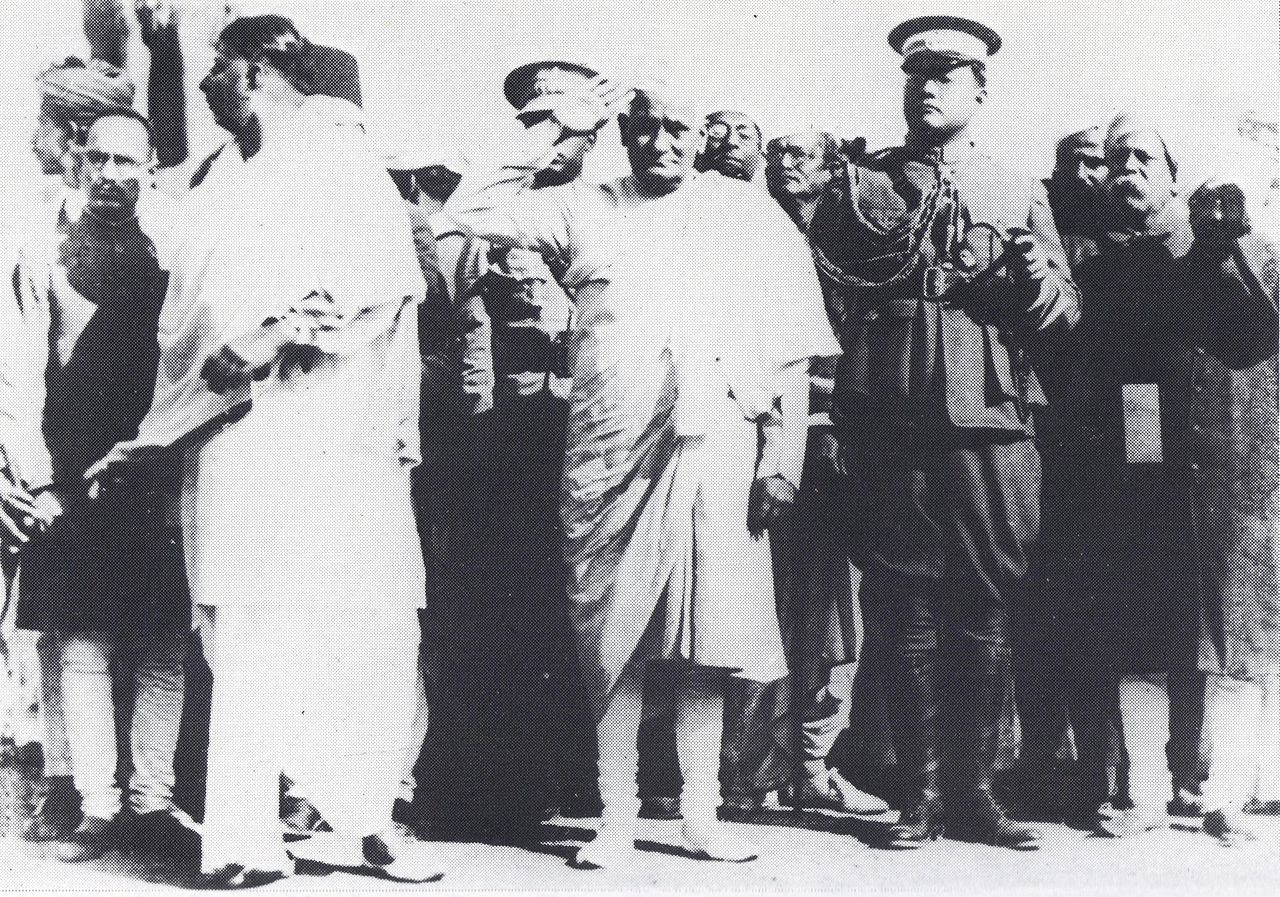
Within the Indian National Congress Bose rose rapidly through organisational ranks and was elected Congress president in 1938 and again in 1939. Deep differences with other leaders over tactics, leadership style and the pace of action led to his resignation and to the creation of a separate political formation that aimed to unite radical nationalists and workers committed to immediate liberation.
Exile, alliances and armed struggle
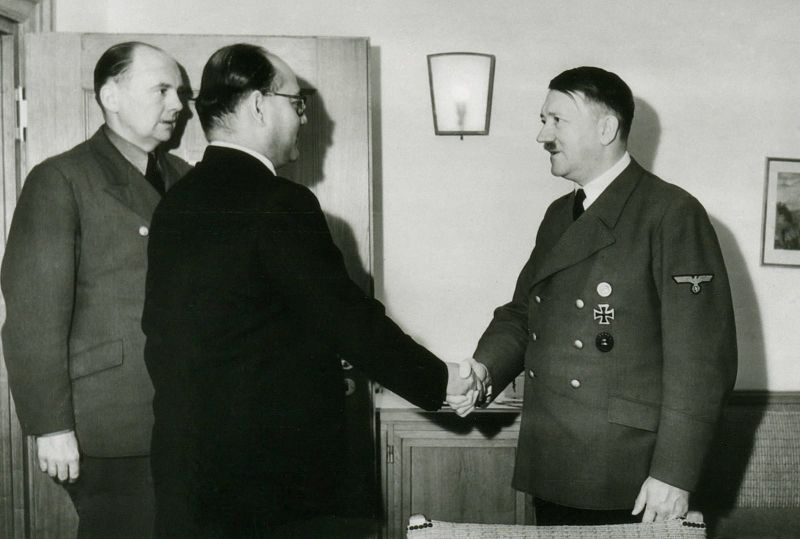
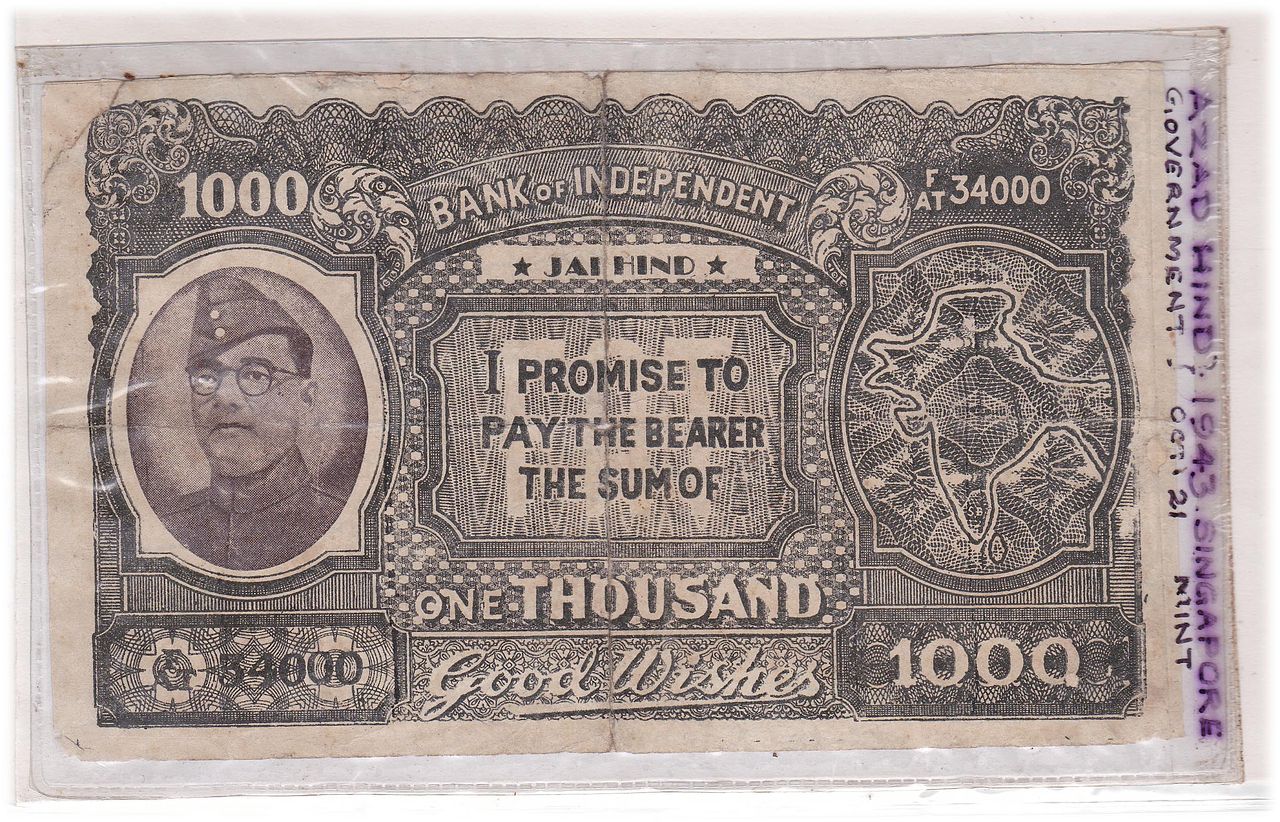
During World War II Bose left British India and travelled abroad to seek material assistance for an armed struggle against British rule. He worked in Europe and later in Southeast Asia, where he rebuilt and led the Indian National Army (INA). He also proclaimed a provisional government of Free India (Azad Hind) to lend a political dimension to the military effort. His partnerships with Axis powers were tactical and remain a major element of historical controversy.
Indian National Army and campaigns
The INA drew many volunteers from captured Indian soldiers and expatriate communities. It fought alongside Japanese forces in campaigns that aimed to enter British India in 1944. Although the military effort did not achieve lasting territorial gains, the INA’s existence and the subsequent war crime and sedition trials of its officers provoked widespread public reaction across India and affected political sentiment in the final years of colonial rule.
Death and inquiries
Bose is widely reported to have died on 18 August 1945 in an airplane crash in Taipei (then under Japanese control). That account has been the subject of debate and of several official and unofficial inquiries. Different reports and public theories have persisted, and the circumstances of his end continue to be discussed in India.
Personal life and legacy
Bose married Emilie Schenkl, an Austrian, and they had a daughter. His forceful leadership, the spectacle of the INA and the political fallout after the war left a durable imprint on India’s independence movement. He is remembered as a complex and polarising figure: admired by many for his patriotism and determination, criticised by others for his wartime alliances and methods. Numerous institutions and public memorials in India bear his name, and his life remains a subject of historical study and popular interest.
Author
AlegsaOnline.com Subhas Chandra Bose (Netaji) Leandro Alegsa
URL: https://en.alegsaonline.com/art/131400