
Stephen Hatton
Stephen Hatton (born 28 January 1948) is an Australian politician of the Country Liberal Party who served as Chief Minister of the Northern Territory (1986–1988) and represented Nightcliff (1983–2001).
Stephen Paul Hatton (born 28 January 1948) is an Australian politician best known for his service in the Northern Territory. A member of the Country Liberal Party, he was Chief Minister of the Northern Territory from 1986 to 1988 and represented the Darwin electorate of Nightcliff in the Northern Territory Legislative Assembly from 1983 to 2001. He was born in Sydney, New South Wales.
Image gallery
3 Images

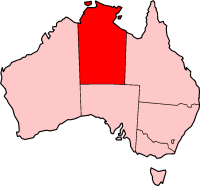
Overview and political career
Hatton entered Northern Territory politics in the early 1980s at a time when the territory was consolidating its institutions following self-government. During his years in office he led a centre-right government that dealt with local economic development, infrastructure and governance challenges typical of a vast and sparsely populated jurisdiction. His period as Chief Minister fell in the mid-1980s, between other notable CLP leaders, and he served several terms as the member for Nightcliff.
Roles and responsibilities
As Chief Minister, Hatton carried the responsibilities of the head of the Northern Territory executive: coordinating policy across government portfolios, representing the territory in intergovernmental affairs, and directing internal development priorities. As a long-serving MLA he participated in legislative debate and constituency work for Nightcliff, addressing local concerns in the Darwin area while contributing to broader territorial policy discussions.
Electoral representation and local focus
The seat of Nightcliff, which Hatton represented from 1983 to 2001, covers suburban parts of Darwin and includes residential communities with local infrastructure and social service needs. Over nearly two decades he was involved in constituency issues common to urban and suburban electorates in the Territory, balancing local priorities with territory-wide responsibilities.
Later life and legacy
After leaving the Legislative Assembly in 2001, Hatton remained a figure of record in Northern Territory political history. His tenure is often noted in accounts of the CLP era for continuity of government through the 1980s and for participating in the evolution of the territory’s institutions. Commentary on his career situates him among the group of leaders who managed development and governance challenges in a rapidly changing regional context.
- Full name: Stephen Paul Hatton
- Born: 28 January 1948, Sydney, New South Wales
- Party: Country Liberal Party
- Offices: Chief Minister of the Northern Territory (1986–1988) — see Northern Territory governance; MLA for Nightcliff (1983–2001)
Note: This article provides a concise overview of Hatton's public life and roles. For detailed legislative records, policy analyses or contemporary news accounts, consult dedicated political archives and regional histories.
Author
AlegsaOnline.com Stephen Hatton Leandro Alegsa
URL: https://en.alegsaonline.com/art/131226