
Soraya Post
Swedish politician and activist of Romani and Jewish heritage; elected to the European Parliament in 2014 for the Feminist Initiative and known for work on anti-discrimination, Roma rights and intersectional feminism.
Overview
Soraya Viola Heléna Post (born 15 October 1956) is a Swedish politician and human rights advocate. Representing the Feminist Initiative (Feministiskt initiativ), she won a seat in the European Parliament in 2014. Her parliamentary work and public profile center on combating discrimination, advancing Roma rights and promoting intersectional feminist politics.
Image gallery
1 Image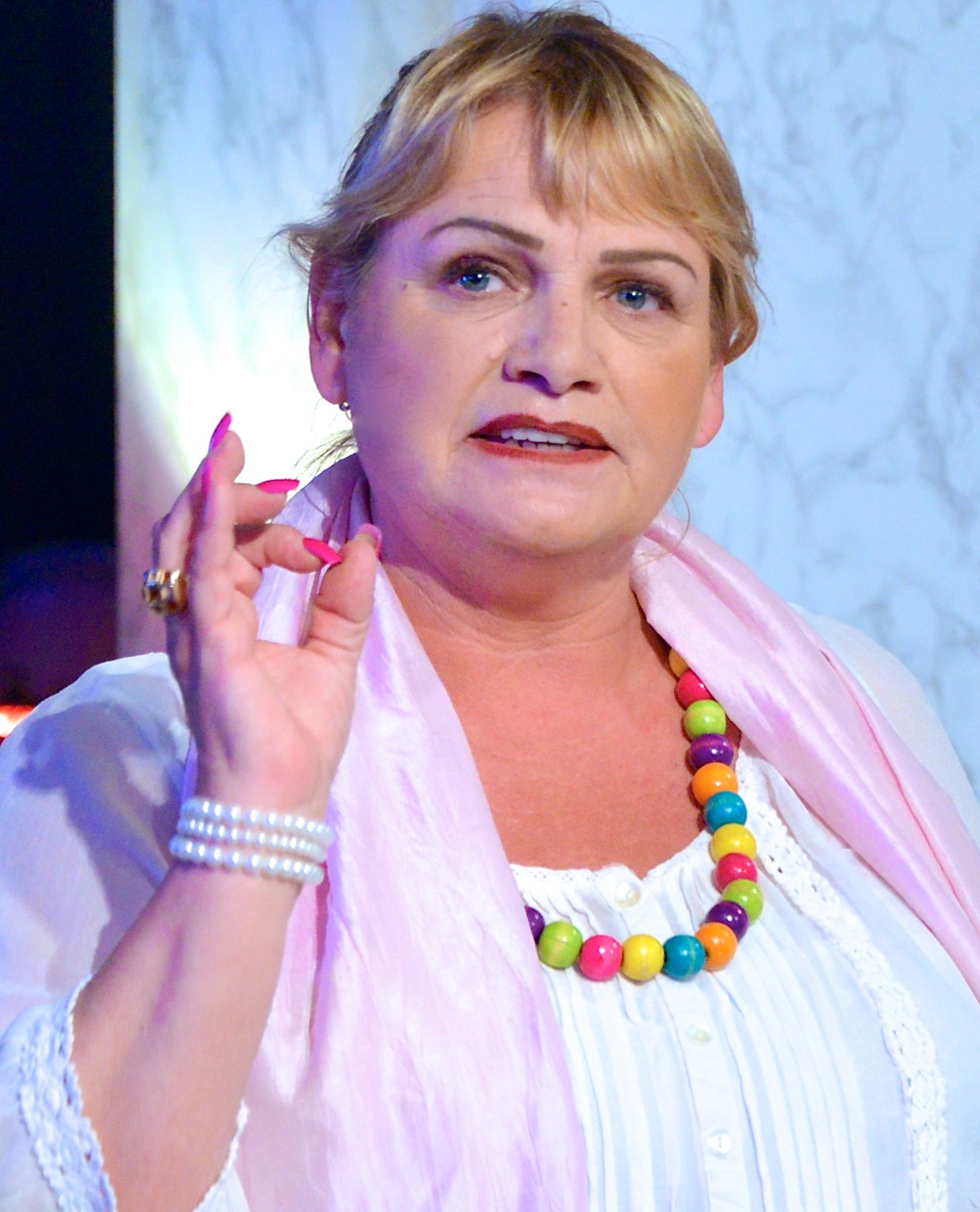
Background and identity
Post is of mixed heritage: her father was a German-born Jew and her mother belonged to the Romani community. This personal background has shaped her public commitments and given her a distinctive voice in debates about minority rights, anti-racism and social inclusion in Sweden and across Europe. She has spoken publicly about the lived experience of marginalised groups and the need for policies that address multiple, overlapping forms of discrimination.
Political career and roles
As the leading candidate for the Feminist Initiative in the 2014 European elections, Post helped the party gain representation at the European level. During her term she used the platform of the Parliament to raise awareness of structural inequality and to press for legislative and policy responses to discrimination. Her European Parliament activity is summarized on her European Parliament profile.
Advocacy, themes and priorities
Post’s work blends feminist and minority-rights perspectives. Key themes she has emphasised include:
- Protection of Roma communities from discrimination and exclusion;
- Measures to combat anti-Semitism and xenophobia;
- Promotion of gender equality through an intersectional lens;
- Support for social policies that strengthen access to education, housing and legal protections for marginalised groups.
Notable facts and impact
Her election in 2014 was notable for bringing the concerns of the Romani community and feminist activists to a larger European stage. Post is often cited as an example of how personal background and political activism can combine to influence public debate. While her political positions have attracted both support and criticism, her presence in public life contributed to greater visibility for issues of ethnic and gender-based discrimination in Sweden and in European forums.
Post’s career illustrates the intersection of minority advocacy and feminist politics in contemporary European debate, and she remains a reference point in discussions about representation and equality.
Author
AlegsaOnline.com Soraya Post Leandro Alegsa
URL: https://en.alegsaonline.com/art/131068