
Siddhi Savetsila
Thai air force officer and politician; served as Thailand's foreign minister (1980–1990), briefly as deputy prime minister in 1986, and later as a member of the royal Privy Council.
Overview
Siddhi Savetsila (Thai: สิทธิ เศวตศิลา; RTGS: Sitthi Sawetsila, 7 January 1919 – 5 December 2015) was a senior Thai military officer and statesman. He is best known for his decade-long service as Thailand's foreign minister from 1980 to 1990, a period when the country navigated complex regional politics in Southeast Asia. His career combined military experience with high-level diplomatic and advisory roles.
Image gallery
4 Images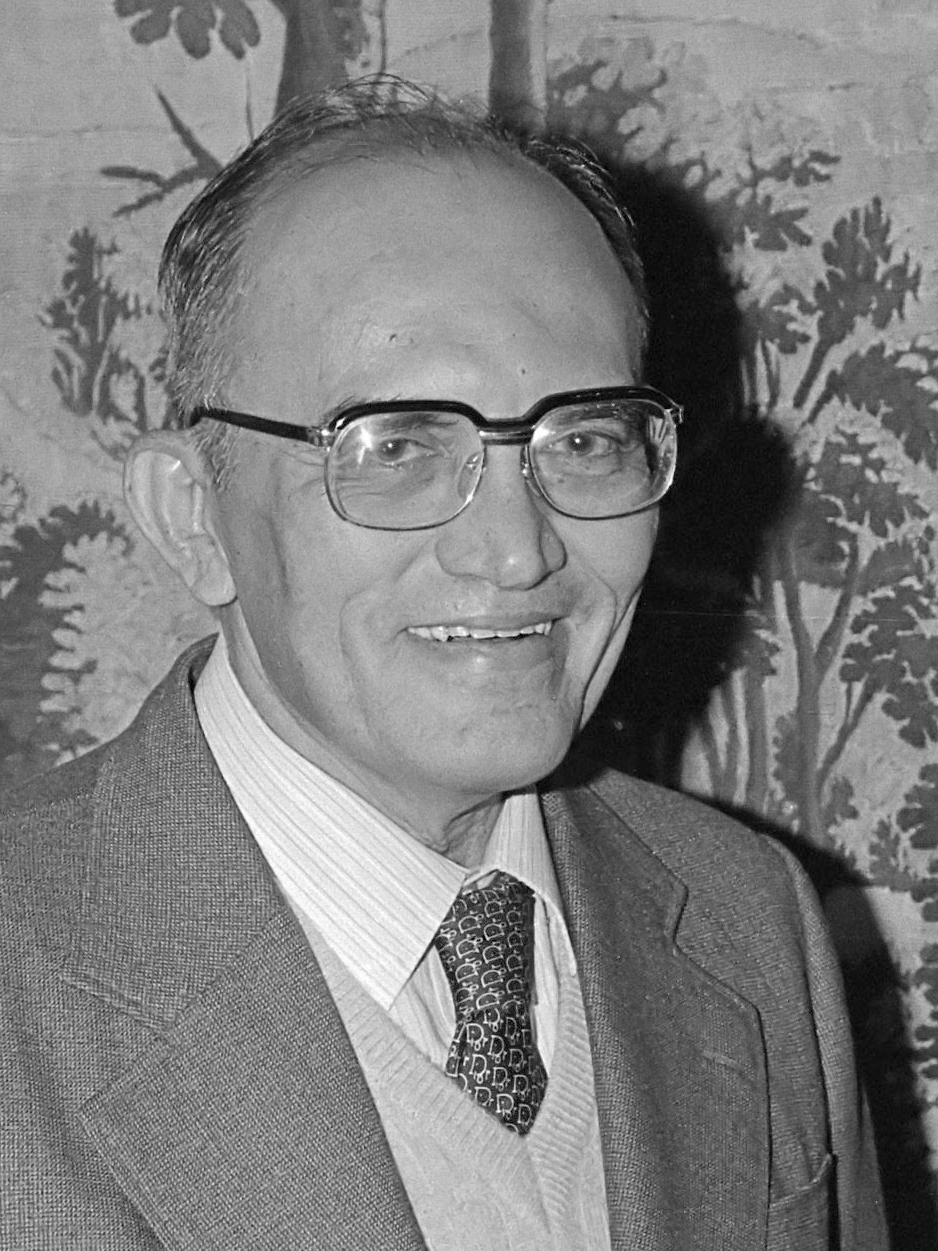



Early career and military service
Siddhi began his public life in the Royal Thai Air Force, where he rose through the ranks as a career officer. His military background informed his approach to security and diplomacy, and it provided him with experience in defense and international military cooperation. This professional foundation later supported his transition into senior civilian government posts.
Political and diplomatic roles
During the 1980s Siddhi led Thailand's foreign policy through a turbulent decade marked by Cold War tensions in the region and the aftermath of conflicts on the Indochinese peninsula. He emphasized pragmatic diplomacy, regional engagement, and relationships with major powers and neighbouring states. In addition to his principal role as foreign minister, he held other senior positions including a brief term as deputy prime minister from January to August 1986.
Key positions
- Senior officer in the Royal Thai Air Force
- Minister of Foreign Affairs (1980–1990)
- Deputy Prime Minister of Thailand (January–August 1986)
- Member of the Royal Privy Council, advising the monarch
Legacy and significance
Siddhi Savetsila is remembered for his long tenure at the helm of Thailand's foreign ministry and for helping to steer the country's external relations during a formative era. His combination of military and diplomatic experience made him a prominent figure in policy discussions on security and regional cooperation. Observers often note his role in maintaining continuity in Thailand's international posture across a decade of shifting geopolitical dynamics.
Death and later years
Siddhi remained a respected elder statesman after leaving cabinet office, serving in advisory capacities until his later years. He died in Bangkok on 5 December 2015 at the age of 96. His career is frequently cited in studies of modern Thai diplomacy and civil–military relations.
For further reading, use official archives and published studies on Thai foreign policy in the 1980s and on the institutional role of the Privy Council in Thailand.
Author
AlegsaOnline.com Siddhi Savetsila Leandro Alegsa
URL: https://en.alegsaonline.com/art/130903