
Shirley Temple
American child film star of the 1930s who became a diplomat and television host; first recipient of the Academy Juvenile Award in 1934.
Shirley Temple (April 23, 1928 – February 10, 2014) was a highly visible American child performer whose popularity in the 1930s made her one of the best-known figures in entertainment. Celebrated for her charisma, singing and dancing, Temple became a symbol of optimism during the Great Depression and later reinvented herself as a public servant and television personality. She is also noted as the first honoree of the Academy Juvenile Award in 1934.
Image gallery
10 Images


Film career and public image
Temple rose to fame in a series of family-oriented films that showcased her acting ability, comic timing and signature looks. She often played resilient, cheerful characters who could charm adults and children alike. Her performances usually combined spoken comedy, musical numbers and simple, sentimental plots that appealed to Depression-era audiences. The young star also inspired extensive merchandising and a distinctive public persona marked by ringlet curls and a freckle-faced smile.
Notable films and achievements
- She appeared in numerous popular features throughout the 1930s that helped define the child-star phenomenon.
- In recognition of her impact on the industry as a youth, she received the inaugural Academy Juvenile Award in 1934 (Academy Juvenile Award).
- Her name became synonymous with wholesome family entertainment and broad public appeal.
Later career: television and diplomacy
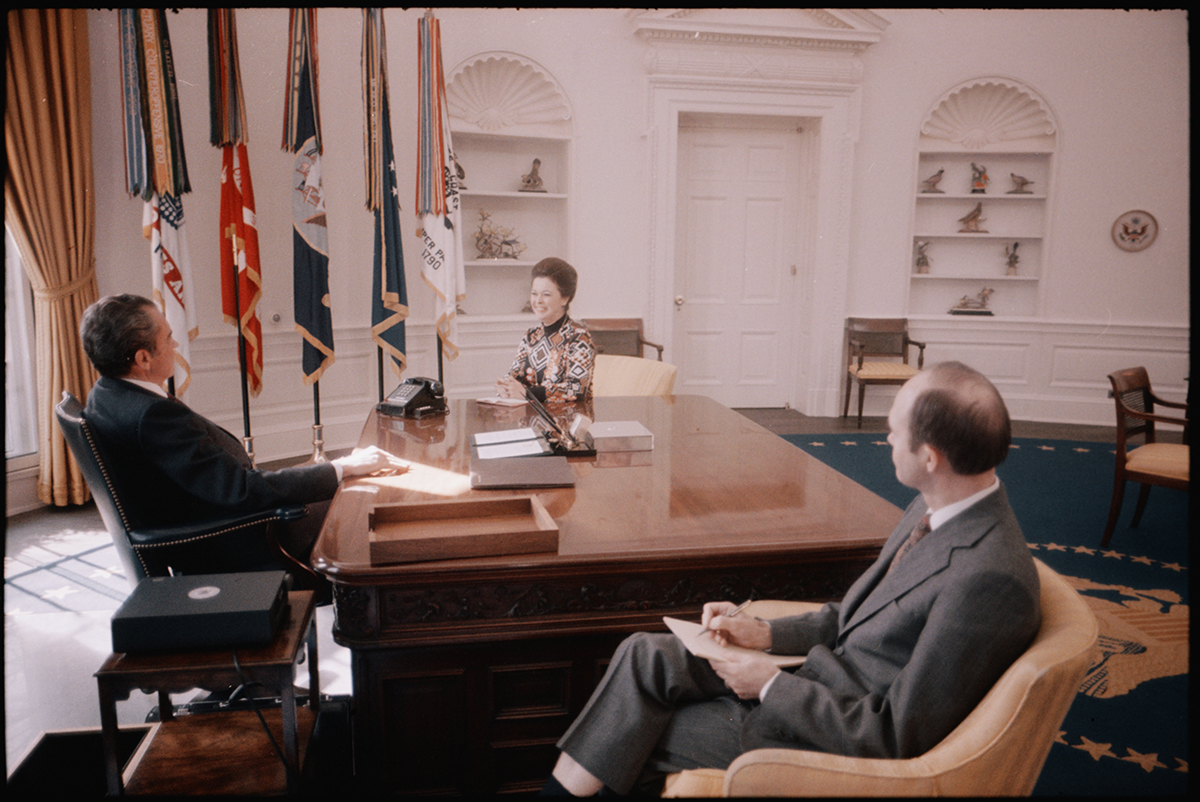
After her peak years as a child actor, Temple transitioned to other forms of work. She hosted television programs and made occasional film and stage appearances, adapting to changing media while maintaining a public profile. Later in life she moved into diplomatic and political roles, serving in the U.S. foreign service and in ceremonial posts. Her post-entertainment career demonstrated a shift from celebrity to civic engagement and international representation. For more on her career as an entertainer see film and television records.
Legacy and significance
Shirley Temple's influence extends beyond box office numbers. As an archetypal child star she affected how studios marketed young performers, contributed to popular culture of the 20th century, and remained a touchstone in discussions about childhood in the public eye. Her later diplomatic service added a notable chapter to her life story, showing a rare trajectory from child icon to public official. Today she is remembered both for her entertainment achievements and for a long public career that crossed artistic and political boundaries.
Author
AlegsaOnline.com Shirley Temple Leandro Alegsa
URL: https://en.alegsaonline.com/art/130875