
Seymour Hersh: Investigative Journalist and Political Writer
Profile of Seymour Hersh, American investigative reporter known for breaking major military and political stories, his reporting style, awards, and later controversies.
Overview
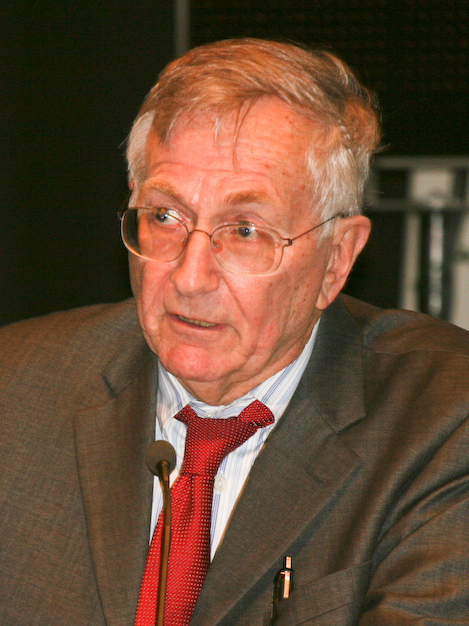
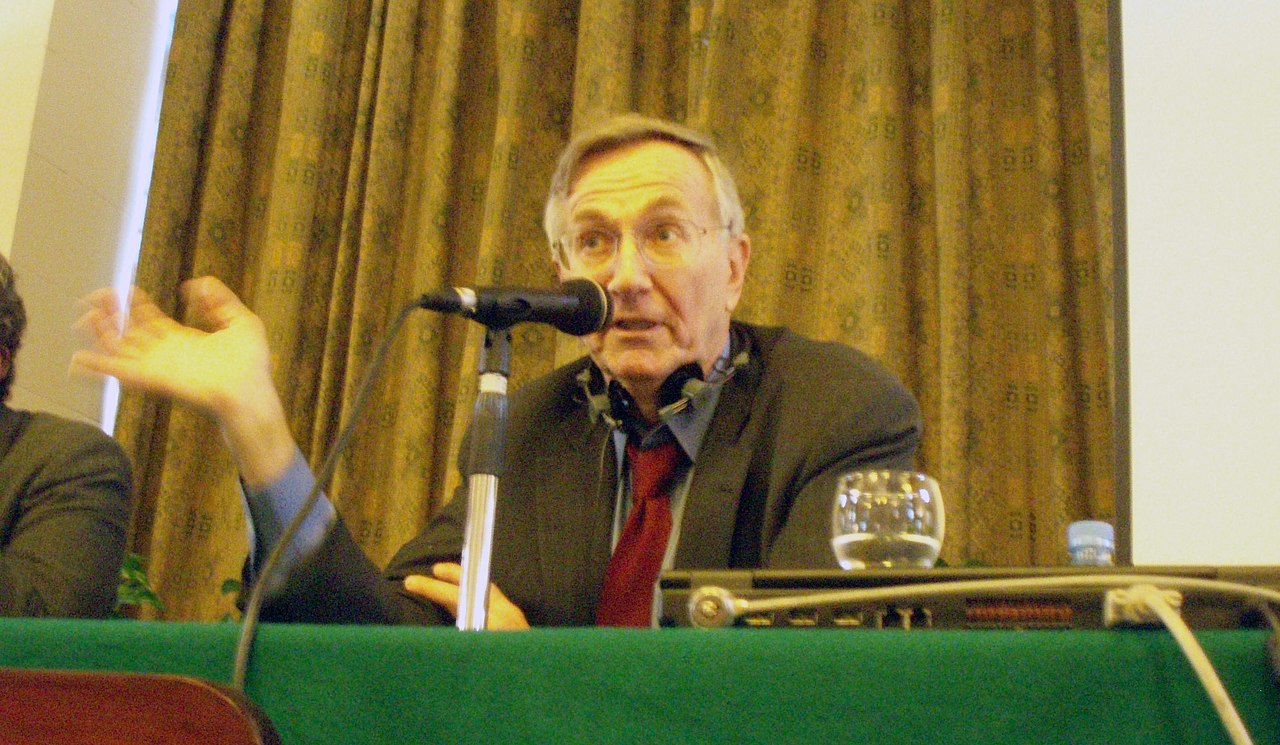
Seymour Myron "Sy" Hersh (born April 8, 1937) is an American investigative journalist whose work has exposed wartime atrocities, intelligence abuses, and clandestine government activities. He was born in Chicago, Illinois. For decades he has written in long-form investigative journalism, most prominently as a longtime contributor to The New Yorker and, more recently, for the London Review of Books.
Image gallery
9 Images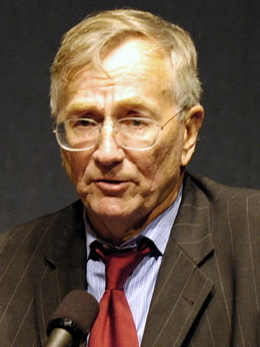


Career highlights
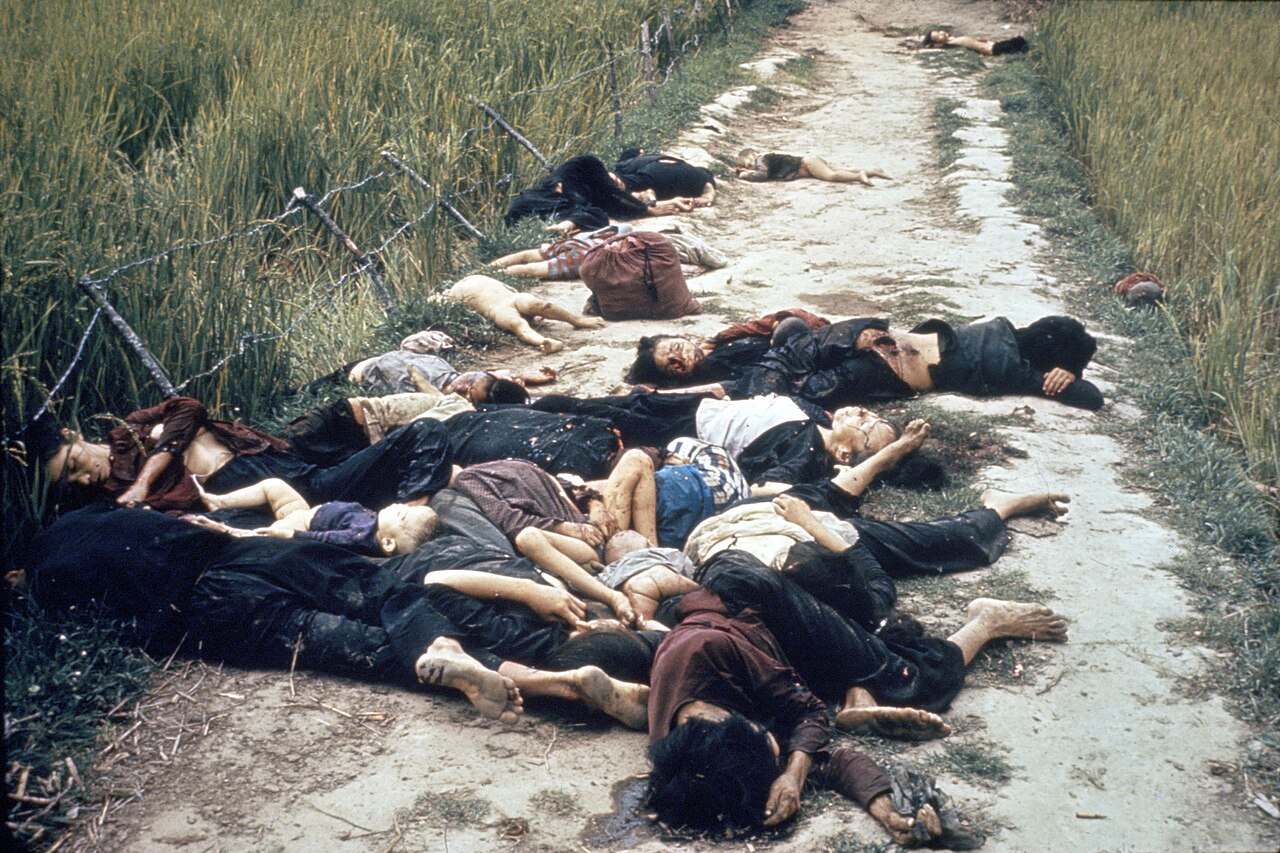
Hersh's reporting has repeatedly influenced public debate and policy. He received the 1970 Pulitzer Prize for International Reporting for his reporting on a Vietnam War atrocity, and he covered major political stories during the 1970s, including aspects of the Watergate era for The New York Times. Over his career he has held positions with wire services and national newspapers, and later specialized in in-depth pieces for magazines.
Notable investigations
- My Lai — Hersh's early reporting exposed the killing of civilians in Vietnam, a story that helped to alter public perception of the war.
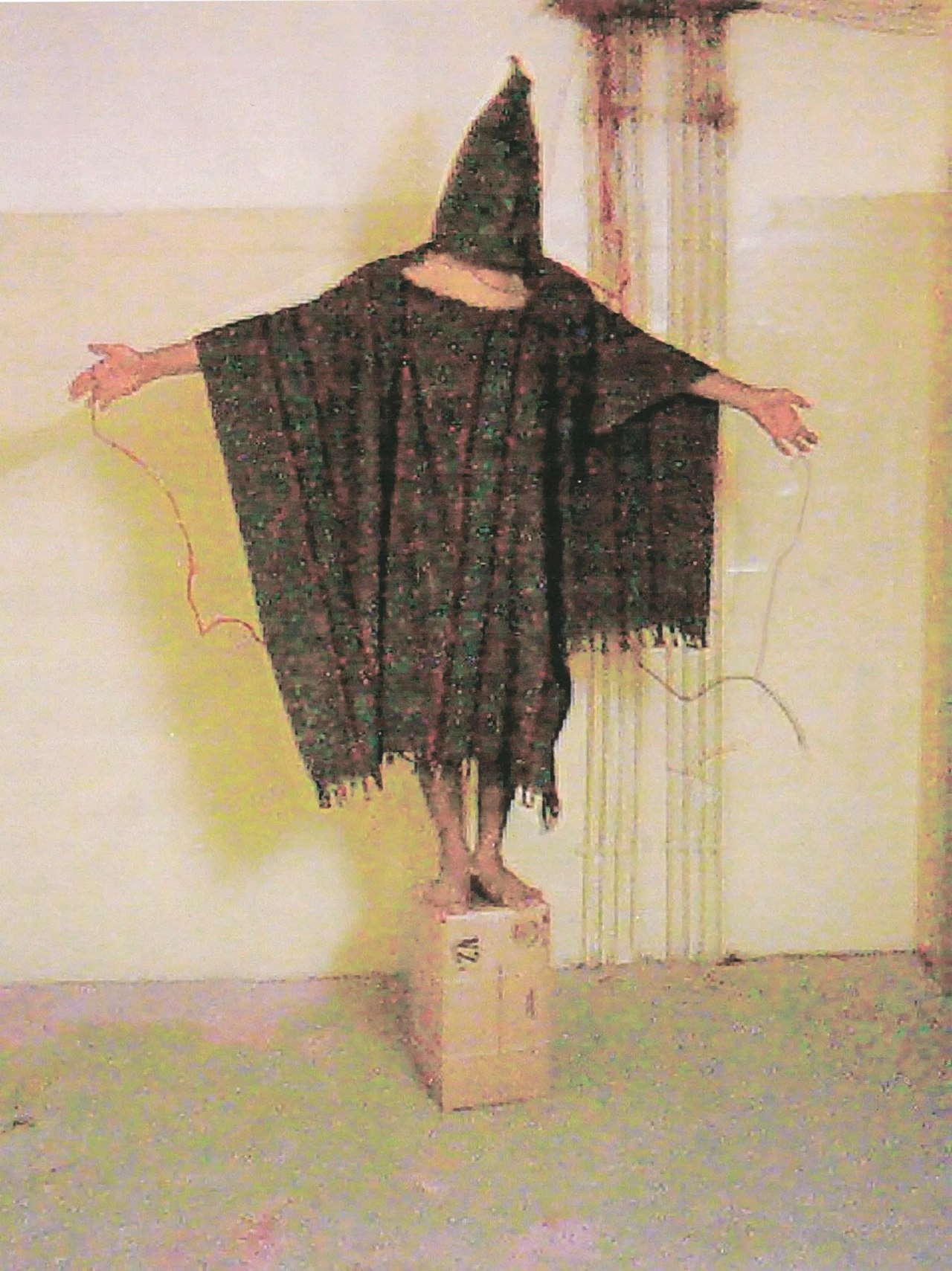
- Abu Ghraib — In the 2000s he reported on prisoner abuse in Iraq, drawing attention to misconduct by military personnel and failures of command oversight.
- Intelligence and military secrets — Across many pieces he has reported on covert operations, surveillance, and arms matters, often relying on human sources inside agencies and the armed services.
Style, impact, and recognition
Hersh is known for dogged reporting, use of confidential sources, and narrative-driven exposés that synthesize documents, eyewitness testimony, and interviews. His work has won major awards, including the Pulitzer Prize in 1970 and the George Orwell Award in 2004, and has prompted official investigations and public scrutiny of government conduct.
Controversies and later work
Later in his career some of Hersh's articles drew criticism for heavy reliance on single sources or for advancing claims challenged by other reporters and officials. He has continued to publish provocative findings and opinionated pieces, attracting both praise for persistence and skepticism about sourcing. His long-running output remains an important case study in the strengths and limits of investigative journalism.
Legacy
Hersh's body of work illustrates how investigative reporting can reveal hidden events and hold power to account. Whether celebrated or contested, his stories have had measurable influence on public knowledge, policy debates, and the practice of investigative journalism itself.
Birthplace reference • State reference • The New Yorker • The New York Times
Author
AlegsaOnline.com Seymour Hersh: Investigative Journalist and Political Writer Leandro Alegsa
URL: https://en.alegsaonline.com/art/130728