
Borås, Sweden
Borås is a Swedish city in Västra Götaland County known for its textile history, logistics and public art. It is the administrative centre of Borås Municipality and hosts notable cultural and educational institutions.
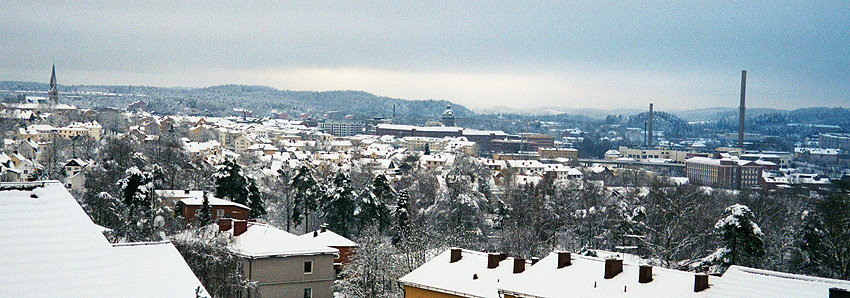
Borås is a city in Västra Götaland County in Sweden. It serves as the administrative seat of Borås Municipality and lies in the historical province and region of Västra Götaland. Positioned inland on the river Viskan, Borås has grown from a market and manufacturing settlement into a regional centre for trade, education and culture.
Image gallery
10 Images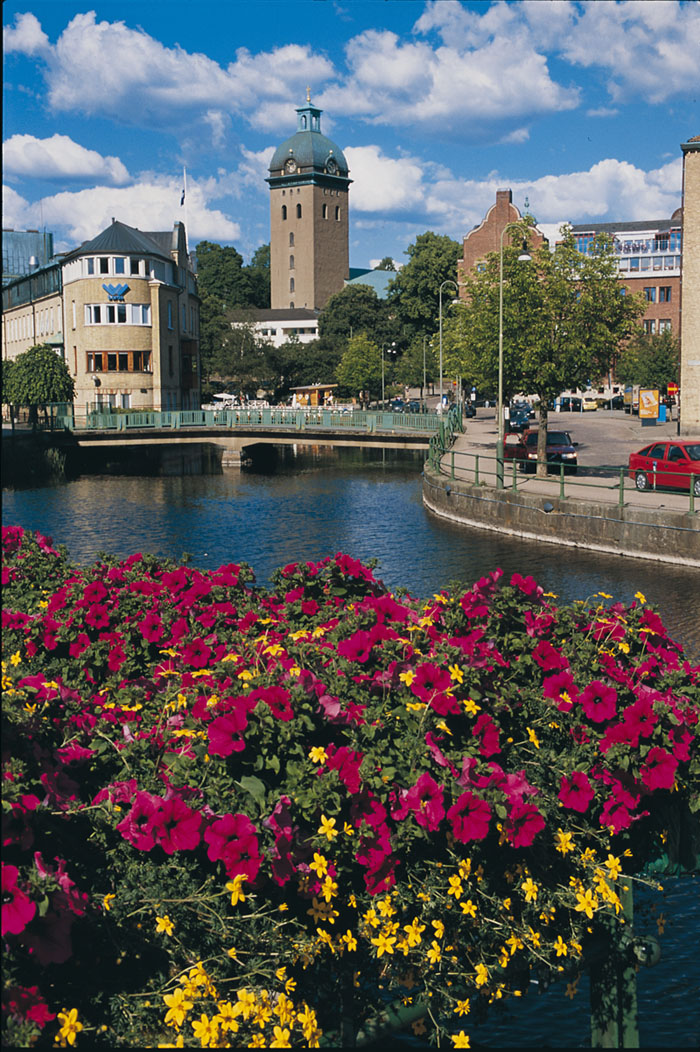






Origins and development
The town developed around trade and crafts and received a formal town charter in the early modern period. Its location made it a natural hub for local merchants and textile producers. Over the nineteenth and twentieth centuries Borås expanded rapidly as industrialisation brought weaving, dyeing and garment manufacture to the town, creating a long association with textiles that endures in identity and institutions.
Economy and identity
Borås is widely associated with the textile and fashion industries. Historically it hosted many factories and workshops; today those traditions continue in design, research and specialised manufacturing. The town is also a logistics and retail distribution centre, with several large warehouses and fulfilment operations serving national and international markets.
Culture, education and sport
Educational and cultural institutions have reinforced Borås’s modern profile. The University of Borås houses the Swedish School of Textiles and programmes in design, engineering and business, linking academic research with local industry. Sport and community life are visible around venues such as Borås Arena, the city’s principal football stadium.
Attractions and notable features
- Public art: the city is known for an extensive collection of outdoor sculptures and murals that shape its streetscape.
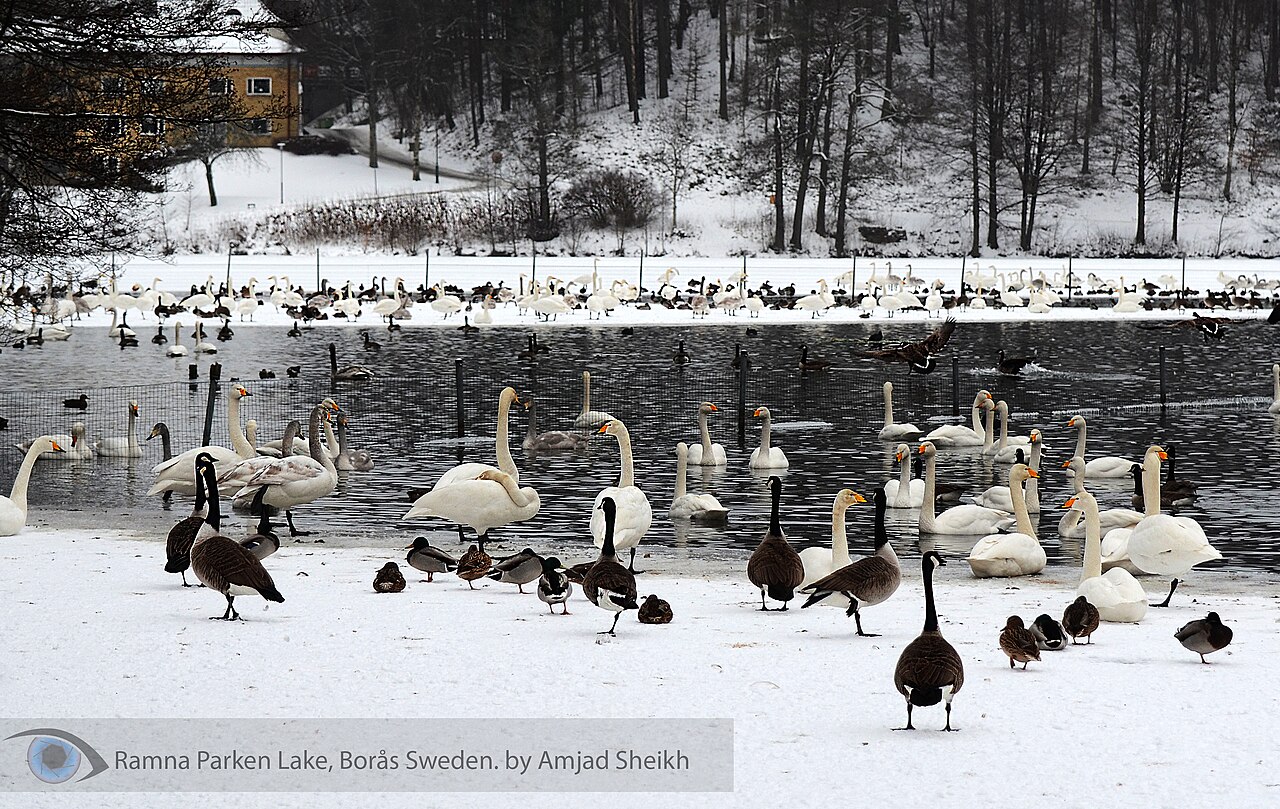
- Borås Zoo and green spaces: attractions that draw families and visitors from the region.
- Historic quarter and industrial heritage: former mills, warehouses and factory buildings converted to cultural and commercial uses.
Borås remains a practical regional centre combining industry, education and visible public culture. Its textile heritage and adaptation to modern logistics and design make it an example of how historic industries can evolve while retaining a distinct local character.
Tags
Related articles
Author
AlegsaOnline.com Borås, Sweden Leandro Alegsa
URL: https://en.alegsaonline.com/art/13064