
Saul Williams
American poet, musician and actor who blends spoken-word poetry with music and performance; best known for his starring role in the 1998 film Slam and for bringing slam poetry to wider audiences.
Overview
Saul Stacey Williams (born February 29, 1972) is an American poet, musician and actor whose work helped bring contemporary slam and spoken-word poetry to wider audiences. He first drew broad attention for his lead role in the 1998 film Slam, and has since worked across poetry, music, film and performance art.
Image gallery
6 Images




Artistic style and themes
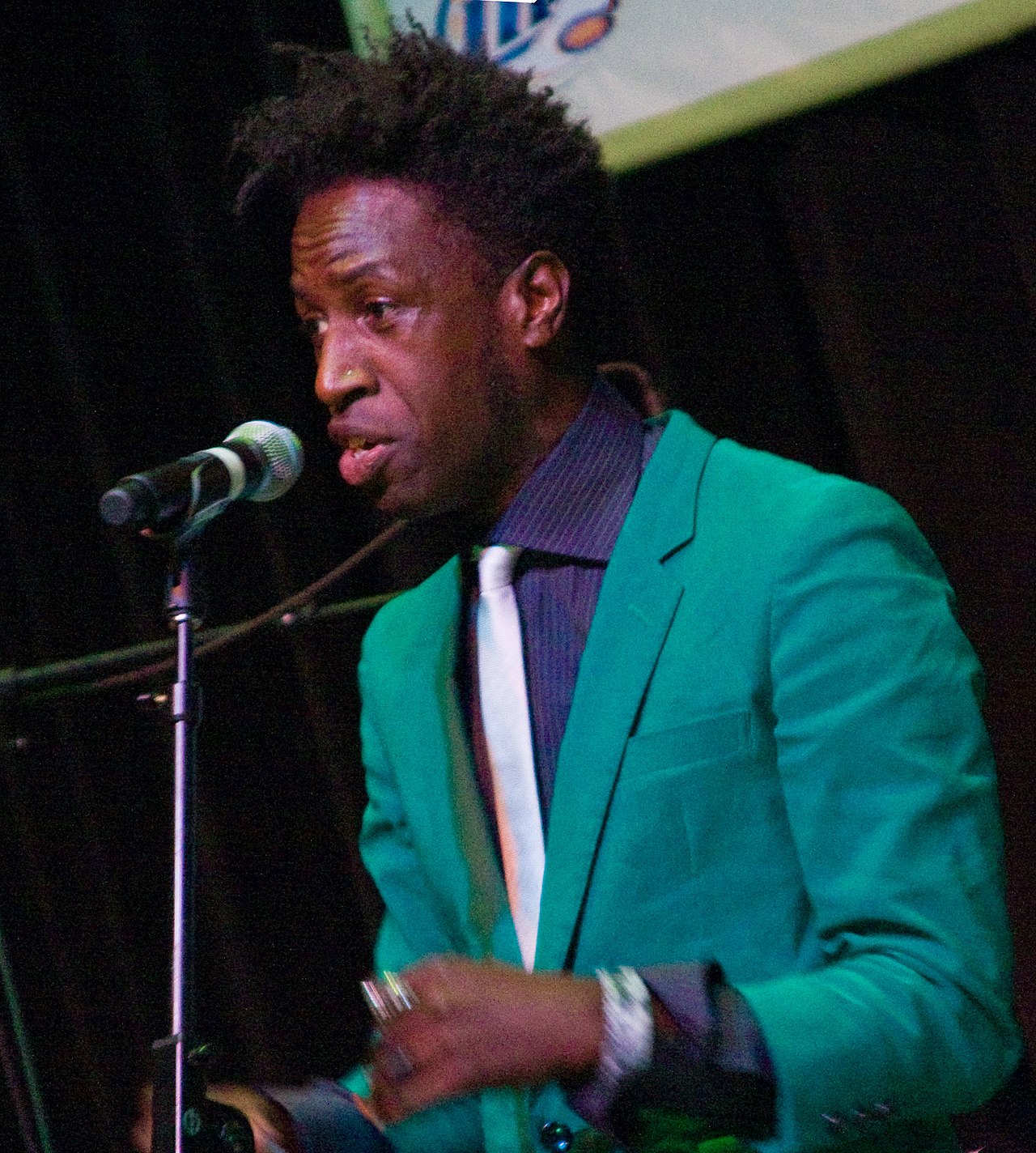
Williams's work is performance-driven: poems are crafted for oral delivery and often approach the urgency and rhythm of song. He synthesizes elements of spoken word, hip-hop, punk and experimental electronic sounds. Recurring themes include race and identity, political resistance, language and power, spirituality and personal transformation. His style is frequently described as confrontational, theatrical and intellectually engaged.
Career and notable projects
Emerging from the 1990s slam poetry movement, Williams moved between stages, recording studios and screens. His appearance in Slam brought mainstream attention to both his writing and the broader slam community. Beyond film, he has released multiple recordings, collaborated with musicians and producers, performed internationally at festivals and venues, and taken part in interdisciplinary projects that combine poetry, music and visual media.
Publications and recordings
Williams has published collections of poems and essays and released a number of music albums that integrate spoken-word performance with varied musical styles. His written work appears alongside live recordings and multimedia pieces in which text, sound and image are intended as parts of a single artistic statement.
Influence and reception
Critics and audiences have noted Williams's role as a bridge between literary and musical communities, helping to popularize performance poetry beyond traditional venues. He has been cited as an influence by younger poets and hybrid performers who seek to merge poetic language with popular and experimental music forms. Reviews often highlight his energetic delivery and ability to translate complex political and philosophical ideas into accessible, performable language.
Legacy and ongoing work
Williams continues to perform, record and publish, maintaining a profile as a multifaceted artist who operates between literary and musical cultures. He is also active in workshops, lectures and collaborative projects that emphasize community, artistic exchange and social engagement.
- Key media: spoken-word performance, recorded music, film and live interdisciplinary shows.
- Known for: blending spoken-word poetry with popular and experimental music; lead role in the film Slam (1998).
- Recurring concerns: language, identity, race, power and resistance.
Author
AlegsaOnline.com Saul Williams Leandro Alegsa
URL: https://en.alegsaonline.com/art/130551