
Sangharakshita: British Buddhist teacher and founder of the Triratna Community
Sangharakshita (1925–2018), born Dennis Lingwood, was a British Buddhist teacher and writer who founded the Triratna Buddhist Community (formerly FWBO) and promoted a Western approach to Buddhist practice.
Overview
Sangharakshita (born Dennis Philip Edward Lingwood; 26 August 1925 – 30 October 2018) was a British Buddhist teacher and prolific writer. He is best known as the founder of the Friends of the Western Buddhist Order, renamed the Triratna Buddhist Community in 2010. Born in Tooting, London, he adopted the name Sangharakshita on taking Buddhist ordination; the name is commonly rendered as "protected by the Sangha" in English.
Image gallery
1 Image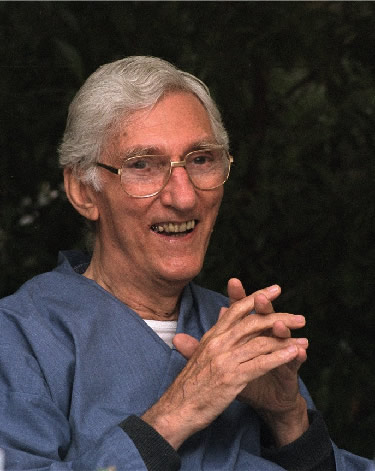
Teaching, structure and practices
Sangharakshita sought to adapt Buddhist practice for Western contexts rather than transplant Asian institutions unchanged. He encouraged study, meditation and ethical training together, and introduced a form of ordination into a single international Order intended to bridge traditional lay and monastic roles. The community emphasizes the three jewels—Buddha, Dharma and Sangha—and offers training suited to modern communal life.
Characteristics and distinctive features
- Ten-precept ordination: an intermediate form of commitment that is more formal than ordinary lay practice but not identical to traditional monastic vows.
- Ecumenical influences: teachings draw on a range of Buddhist traditions, including Theravada and Mahayana elements.
- Community focus: groups and centres aimed at study, meditation and social engagement in Western societies.
History and development
After spending significant time in South Asia studying Buddhism and meeting teachers, Sangharakshita returned to Britain and began teaching. In the decades that followed he established study groups and eventually an organized Order and movement intended to provide a Western sangha. The FWBO/Triratna grew into an international network of centres and projects active in Europe, the Americas and elsewhere.
Writings, influence and examples
He authored numerous books and essays on Buddhist thought and practice aimed at Western readers, covering introductory surveys, meditation guidance and reflections on Buddhist psychology. His writings and teaching influenced a generation of Western practitioners and helped normalize communal Buddhist practice outside Asia. Many Triratna centres continue his approach to training and practice.
Controversies and legacy
Sangharakshita's long leadership and personal relationships drew scrutiny in later years; discussions about his conduct and the community's governance have been part of his public legacy. Responses to these issues have included internal reviews and public debate. Today his influence is seen both in the institutions he helped found and in ongoing conversations about ethical accountability in Western Buddhist movements.
For further background on the movement and Sangharakshita's life, see overviews produced by Buddhist organisations and published collections of his writings and teachings.
Author
AlegsaOnline.com Sangharakshita: British Buddhist teacher and founder of the Triratna Community Leandro Alegsa
URL: https://en.alegsaonline.com/art/130476