
Sam Walton
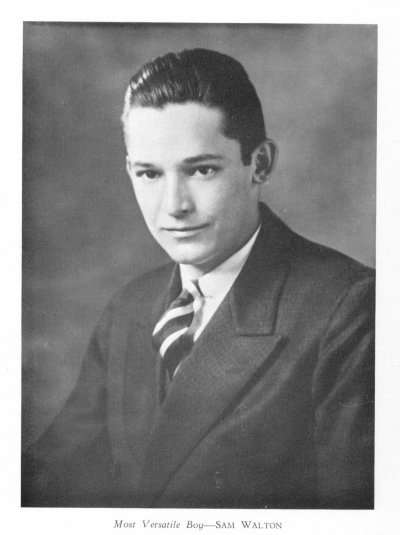
Sam Walton (1918–1992) was an American retail entrepreneur who founded Walmart and Sam's Club, transforming discount retailing through low-price focus, logistics, and aggressive expansion.
Overview
Samuel Moore Walton was an American businessman and retail entrepreneur best known for creating the Walmart and Sam's Club chains. Born March 29, 1918 in Kingfisher, Oklahoma, Walton built a national retail empire from a sequence of small, discount stores and a clear commitment to low prices and high volume. Short, practical biographies and analyses of his methods can be found in many sources and profiles (biography).
Image gallery
5 Images


Early life and first stores
Walton grew up in the American Midwest and began in retail after working for other stores and learning buying and merchandising. In 1962 he opened the first store under the name that became Wal-Mart in Rogers, Arkansas. The early stores emphasized discount pricing, convenient hours, and a strong focus on serving smaller towns and suburban customers underserved by larger chains.
Business model and growth
Walton expanded aggressively through the 1960s–1980s, combining tight cost control, centralized purchasing and distribution, and a pricing strategy often called everyday low prices (EDLP). He invested in distribution centers and used emerging inventory and communications technologies to improve turnover. In 1983 he launched Sam's Club, a warehouse membership format that complemented Walmart's neighborhood stores.
- Focus on low prices and high volume
- Centralized distribution and logistics
- Frugal management culture and incentive pay for managers
- Adoption of early retail technologies to monitor sales and inventory
Legacy and philanthropy
Walton's success established the Walton family as one of the wealthiest in the world; the family's holdings continue to shape large-scale retailing and investment (Walton family, richest families). The Walton Family Foundation and other charitable efforts have supported education, conservation and community development. After Walton's death in 1992 (1992), Walmart continued to grow into a global company and remains a major influence on retail practices and labor debates.
Notable facts
Walton was widely noted for a plain, frugal personal style despite his wealth — anecdotes about driving a pickup truck and staying close to store operations are common in portrayals of his life. His combination of aggressive expansion, supply-chain emphasis, and competitive pricing changed how modern discount retailing operates and led to both praise for consumer access to low prices and criticism concerning local retail impacts and labor issues.
Author
AlegsaOnline.com Sam Walton Leandro Alegsa
URL: https://en.alegsaonline.com/art/130450