
Sali Berisha
Albanian politician and former cardiologist who served as President (1992–1997) and Prime Minister (2005–2013), prominent leader of the Democratic Party and a contentious figure in post-communist Albania.
Overview
Sali Berisha (born 15 October 1944) is an Albanian politician who played a central role in the country’s transition after the collapse of communism. He served as President of Albania from 1992 to 1997 and later as Prime Minister from 2005 to 2013. Berisha has been a leading figure in the Democratic Party and remains one of the most influential and polarizing personalities in modern Albanian politics. For a concise profile see Sali Berisha.
Image gallery
8 Images


Political career
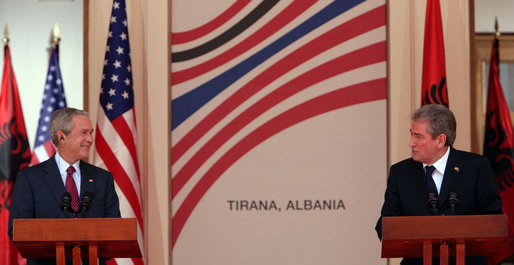
Berisha emerged as a public leader during the early 1990s when Albania shifted from one-party rule to multi-party politics. He became president after democratic elections and oversaw rapid political and economic change. After a period out of the presidency marked by civil unrest in 1997, he returned to frontline politics and led the government as prime minister from 2005 to 2013, heading multiple reform programs and infrastructure initiatives. His tenure as prime minister is often discussed in relation to Albania’s efforts to join European institutions; see also the office of the Prime Minister for context.
Controversies and legacy
Berisha’s time in office has been linked to both reforms and controversy. The 1997 collapse of widespread pyramid investment schemes triggered unrest that ended his first presidency and shaped public perceptions of his leadership. Later years brought allegations of corruption and criticisms over governance and rule-of-law issues. In international diplomacy, he has at times faced restrictions and public rebuke from foreign governments, reflecting the contentious nature of his legacy.
Background and public image
Trained as a medical doctor and known earlier as a cardiologist, Berisha brought a professional background to politics uncommon among Albania’s communist-era elites. He is credited with helping establish mainstream opposition politics in Albania and remains a significant reference point in debates about the country’s post-communist trajectory. Supporters praise his role in democratization and infrastructure projects; critics focus on accountability and institutional weaknesses that persisted during his terms.
Notable facts
- Key figure in the founding and leadership of the Democratic Party of Albania.
- Headed the country during two non-consecutive major roles: president and prime minister.
- Public career combines professional medical training with long-term political leadership.
Author
AlegsaOnline.com Sali Berisha Leandro Alegsa
URL: https://en.alegsaonline.com/art/130331