
Rupert Neudeck: German journalist and humanitarian activist
Rupert Neudeck (1939–2016) was a German journalist who became a prominent humanitarian, organising sea rescues of refugees with the Cap Anamur mission and founding the Green Helmets for reconstruction work.
Rupert Neudeck (14 May 1939 – 31 May 2016) was a German journalist who gained international recognition for leading civilian humanitarian interventions. Initially known for his reporting, Neudeck shifted his career toward direct action to help refugees and victims of conflict. His work combined media skills with grassroots organisation, drawing volunteers, donors and public attention to severe humanitarian crises.
Image gallery
6 Images


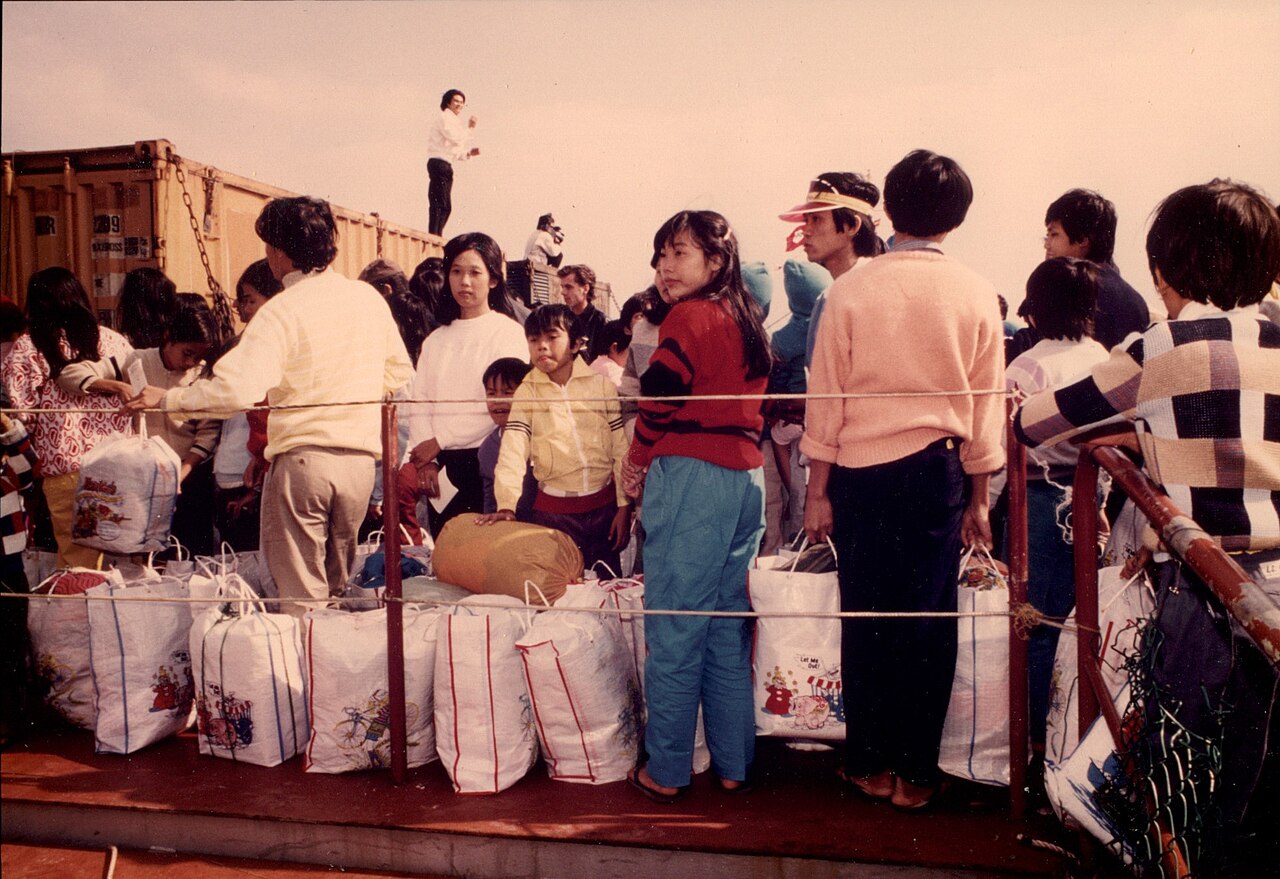
From journalism to rescue at sea
In response to the humanitarian emergency of refugees fleeing war and persecution in Southeast Asia, Neudeck and a group of colleagues formed the committee commonly called "A ship for Vietnam." That committee chartered the freighter Cap Anamur to carry out rescue operations at sea. The mission became widely known for saving many people who were at risk while attempting to cross international waters in small, overcrowded boats. The project illustrated how civil-society initiatives could intervene where state responses were limited, and it kept refugee issues in the public eye through extensive media coverage.
Grünhelme (Green Helmets) and reconstruction
Beyond maritime rescue, Neudeck founded Grünhelme e.V. (Green Helmets), a voluntary association focused on post-conflict reconstruction. The organisation concentrated on rebuilding essential infrastructure such as schools, small community buildings and medical transport, often working in areas that had been destroyed by war or natural disaster. The Green Helmets model emphasised small-scale, sustainable projects run with local partners and volunteer professionals.
Approach, impact and public response
Neudeck’s style combined moral urgency with practical organisation. He used his background in journalism to mobilise public opinion and to fundraise, while relying on volunteers to carry out often difficult fieldwork. His actions prompted admiration for their compassion and criticism from those who raised questions about the legal and political complexities of rescue at sea. Nevertheless, his efforts contributed to broader awareness about refugee protection and community-level reconstruction.
Legacy and death
Neudeck remained active in humanitarian causes through his later years. He died on 31 May 2016 in Germany from complications following heart surgery. His work is frequently cited as an example of citizen-led humanitarianism that bridged media, volunteerism and direct aid.
Notable aspects
- Citizen action: Transitioned from reporting to organising life-saving missions and rebuilding projects.
- Maritime rescue: The Cap Anamur operation helped draw attention to the plight of those fleeing by sea.
- Reconstruction: Grünhelme focused on practical rebuilding of schools and ambulances in devastated regions.
- Public engagement: Combined journalism and activism to mobilise volunteers and donors.
For further reading about his journalism and humanitarian campaigns see a short profile here, background on the Cap Anamur mission here, and information about the Green Helmets projects here.
Author
AlegsaOnline.com Rupert Neudeck: German journalist and humanitarian activist Leandro Alegsa
URL: https://en.alegsaonline.com/art/130187