
Rose Fitzgerald Kennedy
American socialite and philanthropist (1890–1995), matriarch of the Kennedy family and mother of prominent U.S. political leaders, known for her civic engagement and long public influence.
Rose Fitzgerald Kennedy (July 22, 1890 – January 22, 1995) was an American social figure, philanthropist, and the matriarch of the Kennedy family. Born into a prominent Boston political family, she is widely remembered for raising a large family that played a central role in 20th‑century American public life. Her life combined private devotion to family and faith with selective public service and charitable work.
Image gallery
6 Images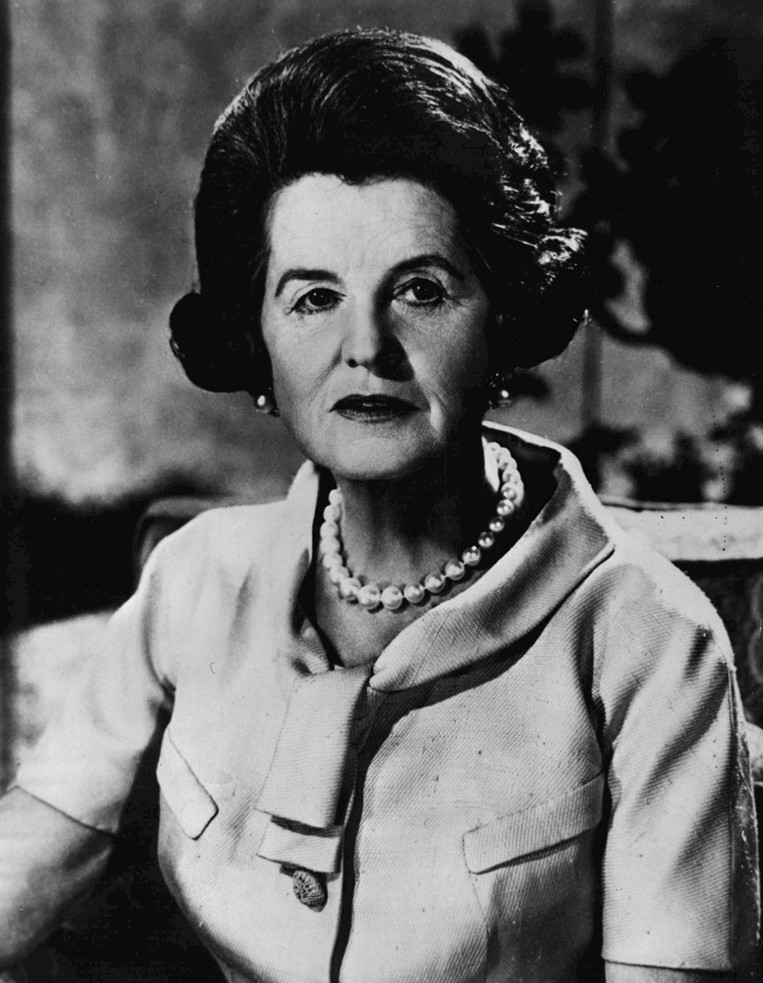




Early life and background
Rose was born in Boston, Massachusetts, the daughter of a well‑known local politician. Her upbringing in a civic‑minded household emphasized public duty, religion, and education. She received a social education common to women of her class at the time, and her early life established the social networks and values that influenced her later role as a public wife and mother.
Marriage, family, and children
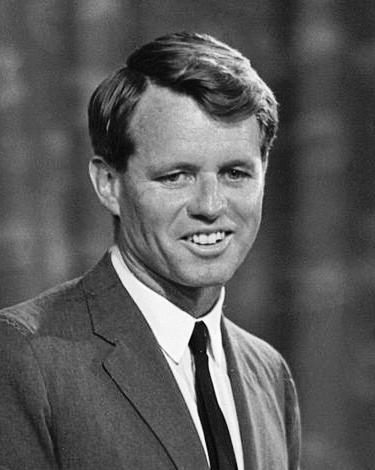
In 1914 she married Joseph P. Kennedy, Sr., a businessman who later served in several public roles. Together they had nine children. Several of their children became nationally prominent: John F. Kennedy, who served as President of the United States; Robert F. Kennedy, who served as U.S. Attorney General and a U.S. Senator; and Edward M. (Ted) Kennedy, who was a long‑serving U.S. Senator. Other children also became notable in public life, philanthropy, and civic projects.
Public role and philanthropy
Although Rose Kennedy preferred privacy, she maintained an active role as a hostess and benefactor. Devout in her Roman Catholic faith, she supported religious and charitable institutions, hospital and educational initiatives, and causes linked to health and family welfare. Her position at the center of a politically active family made her a symbol of stability during times of public triumph and private tragedy.
Later life and legacy
Rose outlived many members of her immediate family and remained a respected elder stateswoman and family figure into advanced age. She lived to be 104 years old, and her longevity and composure through crises contributed to a public image of resilience. Histories of the 20th century often reference her as an influential matriarch whose personal values shaped a generation of public servants.
Notable facts
- Matriarch of a family with lasting influence in U.S. politics and public service.
- Raised nine children, several of whom attained national prominence.
- Known for devout Catholic faith, private dignity, and philanthropic interests.
Author
AlegsaOnline.com Rose Fitzgerald Kennedy Leandro Alegsa
URL: https://en.alegsaonline.com/art/130099