
Rosemary Leach (1935–2017) — English stage, film and television actress
English actress Rosemary Leach (1935–2017) had a long career across stage, film and television, winning an Olivier Award and receiving BAFTA nominations for That'll Be the Day and A Room with a View.
Overview
Rosemary Leach (18 December 1935 – 21 October 2017) was a distinguished English actress whose work spanned stage, film and television. Over a career that lasted several decades she became known for her versatility, appearing in new plays, classic stage pieces, feature films and high-profile television dramas. She combined a strong stage presence with a talent for nuanced supporting roles on screen.
Image gallery
1 Image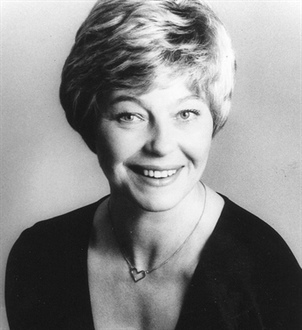
Career and artistic profile
Leach was respected for her ability to inhabit a wide range of characters, from intimate stage leads to memorable bit parts in ensemble films. Her stage work included contemporary plays and adaptations that brought literary material to life; one of the roles that attracted critical attention was in the theatrical production of 84, Charing Cross Road. On screen, she moved between period drama, contemporary television series and cinema, often bringing warmth, sharpness or quiet authority to supporting roles.
Awards and recognition
Her stage performance in 84, Charing Cross Road earned her the 1982 Olivier Award for Best Actress in a New Play, a significant recognition from the British theatre community. In film she received BAFTA nominations for Best Actress in a Supporting Role for That'll Be the Day (1973) and for A Room with a View (1986), marking her as a performer whose contributions were noticed across media.
Selected credits
- Stage: 84, Charing Cross Road (award-winning stage performance)
- Film: That'll Be the Day (1973) — BAFTA-nominated supporting role
- Film: A Room with a View (1986) — BAFTA-nominated supporting role
- Television mini-series: Germinal (1970), The Jewel in the Crown (1984), The Charmer (1987), The Buccaneers (1995), Berkeley Square (1998)
- Television comedy: recurring role on the sitcom My Family (2003–07)
Legacy and notable facts
Leach's career illustrates the durability of a character actor who could move deftly between stage and screen. Her Olivier Award win and BAFTA nominations reflect recognition from both theatre and film institutions. She is often remembered for the depth she brought to supporting roles and for being a steady presence in British drama from the 1970s onward. Her work in adaptations and ensemble pieces continues to be cited when discussing accomplished British actors of her generation.
For an overview of specific television and film appearances, selections from her stage repertoire, and contemporary reviews of her performances, see dedicated filmographies and theatre archives which record the breadth of her professional life.
Author
AlegsaOnline.com Rosemary Leach (1935–2017) — English stage, film and television actress Leandro Alegsa
URL: https://en.alegsaonline.com/art/130093