
Ronald Coase
British economist Ronald Coase (1910–2013) developed the ideas of transaction costs and property-rights economics; his work on the firm and social cost influenced law, regulation and institutional economics.
Overview
Ronald Coase (29 December 1910 – 2 September 2013) was a British-born economist whose research reshaped the study of firms, markets and legal institutions. A longtime professor at the University of Chicago Law School, he received the Nobel Prize in Economics in 1991 for clarifying the role of transaction costs and property rights in the economic system.
Image gallery
8 Images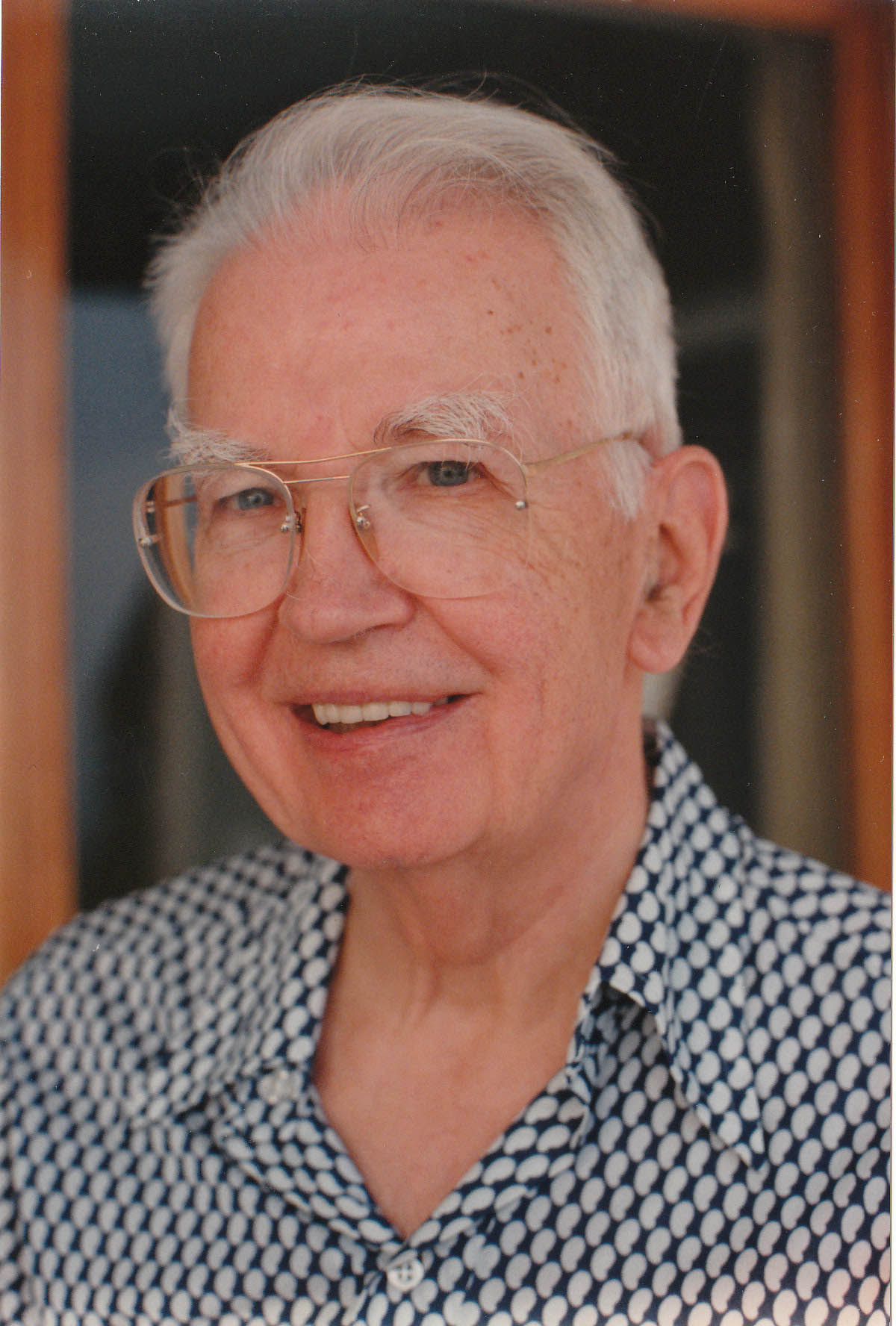


Key ideas
Coase introduced several foundational concepts that are widely taught today:
- Transaction costs: the costs of negotiating, enforcing and completing exchanges. Coase argued these costs influence whether activities are organized through markets or within firms.
- Coase Theorem: under zero transaction costs and well-defined property rights, parties can bargain to reach an efficient outcome regardless of the initial legal assignment of rights — a theoretical benchmark that highlights the importance of transaction costs and institutions in practice.
- Property-rights emphasis: legal and institutional rules determine incentives, resource allocation and the magnitude of externalities.
Career and major works
Coase’s influential essays include "The Nature of the Firm" (1937), which explains why firms exist, and "The Problem of Social Cost" (1960), which frames many modern debates about pollution, nuisance and regulation. His later writings continued to examine how law, markets and organizations interact.
Impact and applications
Coase’s ideas have practical implications for antitrust policy, environmental regulation, corporate boundaries and the design of institutions. Examples often cited are bargaining over pollution damages or deciding whether to outsource activities when contracting is costly. His work fostered the field of law and economics and inspired research on transaction-cost economics and institutional analysis.
Criticisms and legacy
Scholars note that the Coase Theorem’s assumptions (notably zero transaction costs) rarely hold exactly, so real-world outcomes depend on institutional detail. Nonetheless, Coase’s focus on costs, rights and institutions remains central to economic and legal analysis and continues to influence policy debates.
Selected publications
- "The Nature of the Firm" (1937)
- "The Problem of Social Cost" (1960)
- Collected essays and later books examining firms, markets and law
Author
AlegsaOnline.com Ronald Coase Leandro Alegsa
URL: https://en.alegsaonline.com/art/130004