
Roman Herzog: German jurist and President (1934–2017)
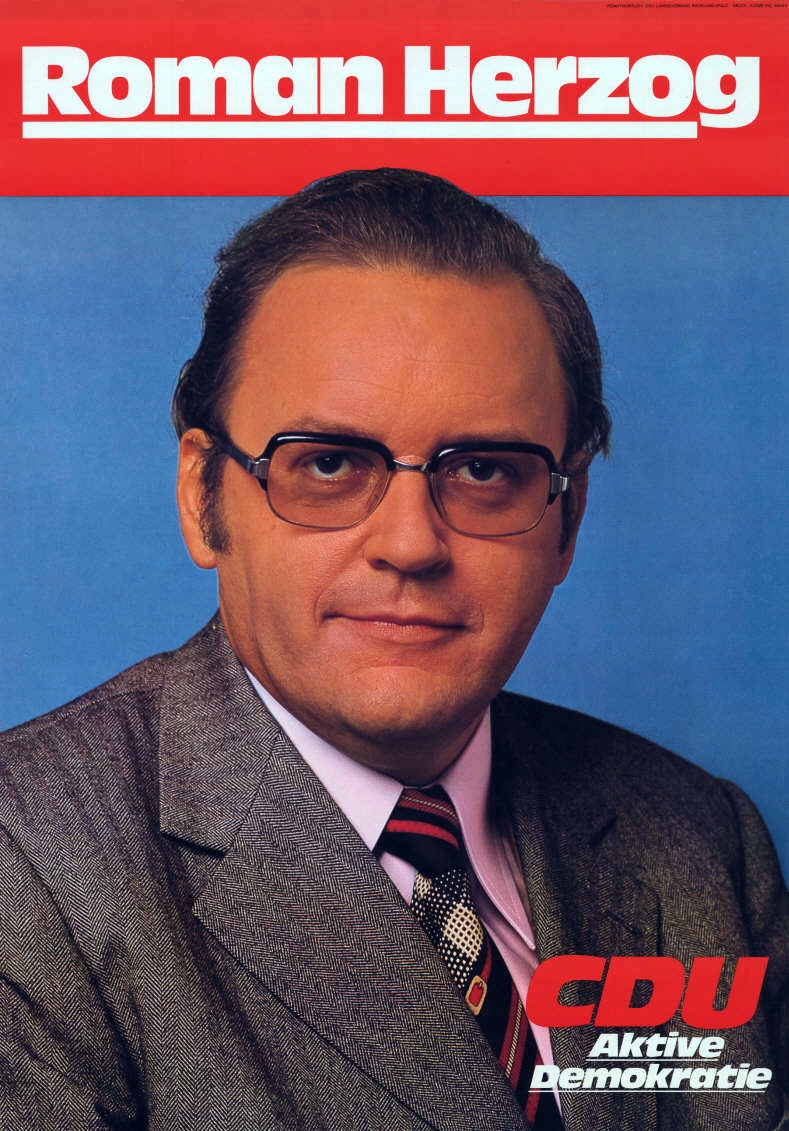
Roman Herzog (1934–2017) was a German jurist and CDU politician who served as President of the Federal Republic of Germany from 1994 to 1999 and earlier led Germany's constitutional court.
Overview
Roman Herzog (5 April 1934 – 10 January 2017) was a German jurist and politician affiliated with the Christian Democratic Union (CDU). He held the office of President of Germany from 1994 until 1999. Herzog combined a legal academic background with long service in public institutions and became known for calls to modernize Germany's political and economic structures during the 1990s.
Image gallery
3 Images

Early life and legal career
Trained in law, Herzog worked as a legal scholar and judge before moving into higher public service. His professional background informed his reputation as a constitutionalist and a careful interpreter of Germany's legal framework. This experience gave him credibility when addressing issues of constitutional law and institutional reform.
Political offices and presidency
Herzog's career bridged the judiciary and politics. Before becoming head of state he occupied senior judicial roles and was widely respected across party lines. As President (1994–1999) he fulfilled the largely ceremonial but morally influential duties of the office, representing the Federal Republic domestically and abroad and using public addresses to highlight long-term challenges facing the country.
Positions, public influence and notable acts
Herzog is remembered for urging economic renewal and institutional reform in the aftermath of German reunification. He used speeches to press for modernization of public institutions and social consensus on reform needs. One of his addresses from the 1990s became notable for pushing a national debate on reform and responsibility.
Legacy and notable facts
- Combined legal scholarship with public service and statesmanship.
- Used the moral authority of the presidency to shape public debate on reform.
- Remains a reference point for discussions of constitutional law and presidential rhetoric in Germany.
Herzog's tenure is often evaluated in the context of Germany's transition after reunification: his interventions were less about daily politics and more about long-term orientation, civic responsibility and the rule of law. For readers seeking more detail on his speeches and judicial work, consult comprehensive biographical sources and collections of his public addresses.
Author
AlegsaOnline.com Roman Herzog: German jurist and President (1934–2017) Leandro Alegsa
URL: https://en.alegsaonline.com/art/129984