
Romário — Brazilian striker turned politician
Romário de Souza Faria (born 1966) is a Brazilian former football striker celebrated for his clinical finishing and key role in Brazil's 1994 World Cup victory. Since retirement he has served in elected office.
Romário de Souza Faria (born 29 January 1966) is a Brazilian public figure best known for two careers: as a prolific football player and later as a politician. He rose to international prominence in the late 1980s and early 1990s and is widely regarded as one of the greatest pure goal scorers in modern football. He also represented the Brazil national team, playing a pivotal role in Brazil's 1994 World Cup campaign.
Image gallery
10 Images



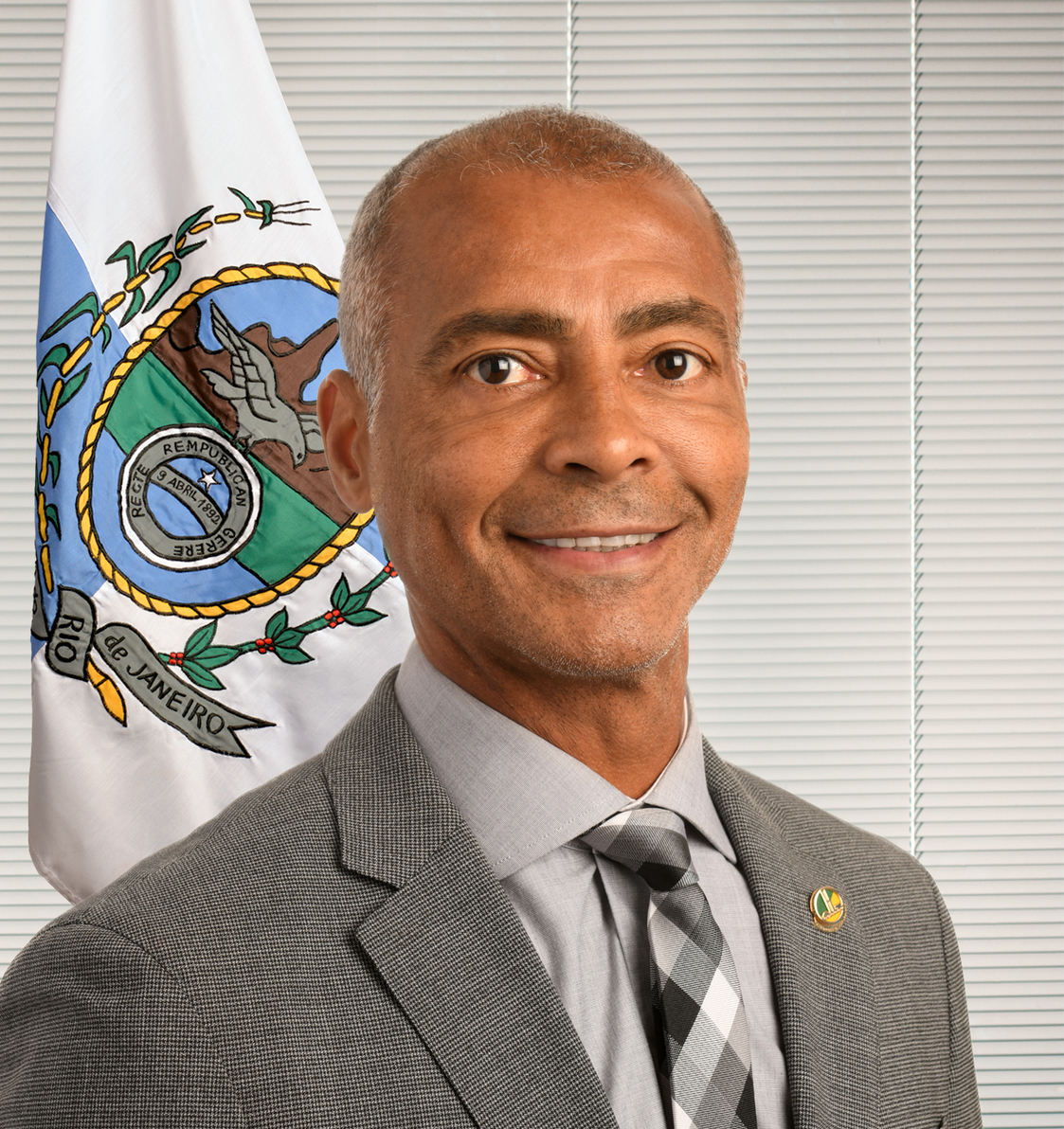


Club career and achievements
Romário began his senior career in Brazil and established himself abroad with a high-scoring spell in the Netherlands before moving to one of Europe's leading clubs in the early 1990s. His club career included successful periods at home and overseas, where his finishing and movement inside the penalty area brought domestic league titles and memorable seasons. After returning to Brazil he continued to score at a high rate for several teams and remained a fan favourite for his flair and consistency.
Playing style and legacy
Nicknamed "Baixinho" (the short one), Romário combined low centre of gravity, close control, quick feet and an instinctive sense of positioning that made him exceptionally dangerous in and around the box. He was known for clinical one-on-one finishing, deft chips and an ability to create goals from seemingly narrow opportunities. His name is often cited among the best strikers of his generation and he left a lasting influence on how a compact, technically gifted forward can dominate matches.
International role
With the national side Romário delivered important goals and performances, most notably during Brazil's successful 1994 World Cup campaign, where he was widely recognised as one of the tournament's standout players. Over his international career he scored more than fifty goals for Brazil and provided a number of decisive contributions in major competitions, helping to shape Brazil's attacking identity in that era.
Political career and public life
After retiring from playing, Romário entered electoral politics. He was elected to national office and later to the Brazilian Senate in 2015, building a second public career that emphasises sports policy, social issues and governance. In February 2021 he took on a senior role in the Senate leadership, reflecting his continued prominence in public affairs. His transition from sport to politics is often cited as an example of athletes moving into national leadership roles.
Notable facts and distinctions
- Celebrated for his goal-scoring instincts and brief, explosive bursts of form at club and international level.
- Remembered for a charismatic, sometimes controversial public persona that attracted both intense support and criticism.
- Serves as a frequent commentator on football matters and continues to influence discussions about sport and public policy.
Author
AlegsaOnline.com Romário — Brazilian striker turned politician Leandro Alegsa
URL: https://en.alegsaonline.com/art/129976