
Robert Smith (U.S. cabinet official)
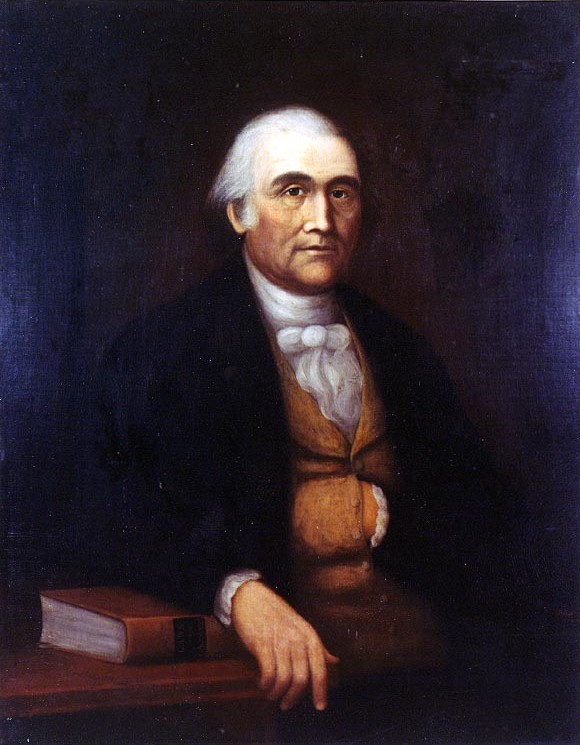
Robert Smith (1757–1842) served as the United States Secretary of the Navy (1801–1809) and as Secretary of State (1809–1811). A Maryland lawyer, his cabinet career included clashes with President Madison.
Overview
Robert Smith (born November 3, 1757 – November 26, 1842) was an American lawyer and statesman who held two senior posts in the early federal government. He was the second Secretary of the Navy (1801–1809) and later the sixth Secretary of State (1809–1811). Smith belonged to a prominent Maryland family and was the brother of U.S. Senator Samuel Smith.
Image gallery
6 Images


Early life and career
Trained in the law, Smith built a career in Maryland public life before entering the national stage. He combined private practice with service in local and state offices and benefited from strong family and political ties in Baltimore and the surrounding region. Those connections helped pave his entry into President Thomas Jefferson's administration at the start of the 19th century. For a concise biographical outline, see biographical summary.
Cabinet service and responsibilities
As Secretary of the Navy, Smith administered naval affairs during a formative period for the United States, a time that included actions related to the Barbary conflicts and efforts to maintain American maritime interests while limiting standing forces. In 1809 he was appointed Secretary of State under President James Madison. His term in the State Department was short and contentious: Smith clashed with Madison and other officials over diplomatic appointments and the direction of foreign policy, disagreements that ended with his exit from the cabinet in 1811. Contemporary departmental accounts and cabinet records provide fuller context at cabinet documentation.
Offices held
- Secretary of the Navy, 1801–1809 — served as the second holder of the office during the Jefferson administration. Naval role
- Secretary of State, 1809–1811 — served under Madison; his tenure is noted for internal disputes over policy and personnel. State Department record
Following his service in Washington, Smith returned to Maryland, resumed his legal practice, and remained active in civic affairs into old age. He died in 1842. Historians often cite his career as illustrative of tensions in the early republic between cabinet independence and presidential leadership, and as part of the story of how the young United States professionalized its executive departments.
For further reading, consult the linked summaries and departmental histories cited above for primary documents and detailed analyses of the period.
Author
AlegsaOnline.com Robert Smith (U.S. cabinet official) Leandro Alegsa
URL: https://en.alegsaonline.com/art/129824