
Robert Green — English football goalkeeper and England international
Overview of Robert Green, an English goalkeeper known for a long professional career with clubs including Norwich, West Ham, QPR and Chelsea, and for his appearances for the England national team.
Overview
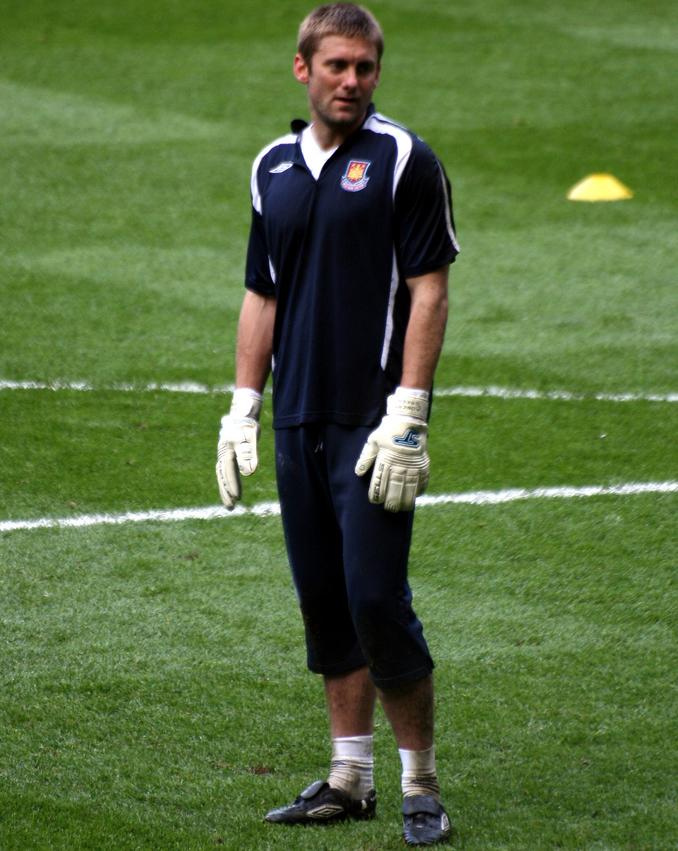
Robert Green (born 18 January 1980) is an English football goalkeeper who spent more than two decades in the professional game. He is widely recognised for his steady presence between the posts at several English clubs and for representing his country at senior international level. Late in his career he joined Chelsea F.C. as an experienced squad member and backup option.
Image gallery
7 Images




Career path and clubs
Green began his senior career after progressing through youth ranks and established himself as a first-team goalkeeper at his early club. Over the years he played for a sequence of English teams, combining regular starting duties with periods as an experienced deputy. His club career is often cited for its longevity and the variety of roles he fulfilled, from primary shot‑stopper to mentor for younger goalkeepers.
- Norwich City (early professional development and first-team breakthrough)
- West Ham United (Premier League performances and wider recognition)
- Queens Park Rangers (further top‑flight and Championship appearances)
- Chelsea F.C. (later-career signing as veteran squad member)
Playing style and role
Green is known as a traditional goalkeeper with an emphasis on shot‑stopping, positioning and handling crosses. As his career progressed he adapted to take on leadership and mentoring responsibilities, helping younger teammates in training and match preparation. Coaches and pundits have described him as reliable in routine situations and vocal in organising his defence.
Notable moments and international duty
At the international level Green earned selection for England and featured in major tournament squads. He is remembered for both strong performances and a high‑profile error at a World Cup match that attracted widespread attention; that incident did not define his overall career, which included many dependable displays. His international experience contributed to his reputation as a seasoned professional.
Legacy and distinctions
Robert Green's career is often used as an example of longevity and adaptability in professional football. He combined years of top‑level competition with periods of supporting roles, and his presence in dressing rooms later in his career underscored a transition from leading on the pitch to guiding off it. His name remains familiar to fans of English football from the early 2000s through the 2010s.
Author
AlegsaOnline.com Robert Green — English football goalkeeper and England international Leandro Alegsa
URL: https://en.alegsaonline.com/art/129749