
Rick Baker — American special makeup effects artist
Rick Baker (born 1950) is an American special makeup effects artist renowned for creature prosthetics and practical effects. He has won seven Academy Awards and changed how monsters are realized on film.
Overview
Richard A. "Rick" Baker (born December 8, 1950) is an American special makeup effects artist best known for creating realistic creature makeup and creature transformations in feature films. His work helped establish practical prosthetics and mechanical techniques as central tools for bringing monsters and nonhuman characters to life. He was born in Binghamton, New York and received formal art training at the Academy of Art University.
Image gallery
3 Images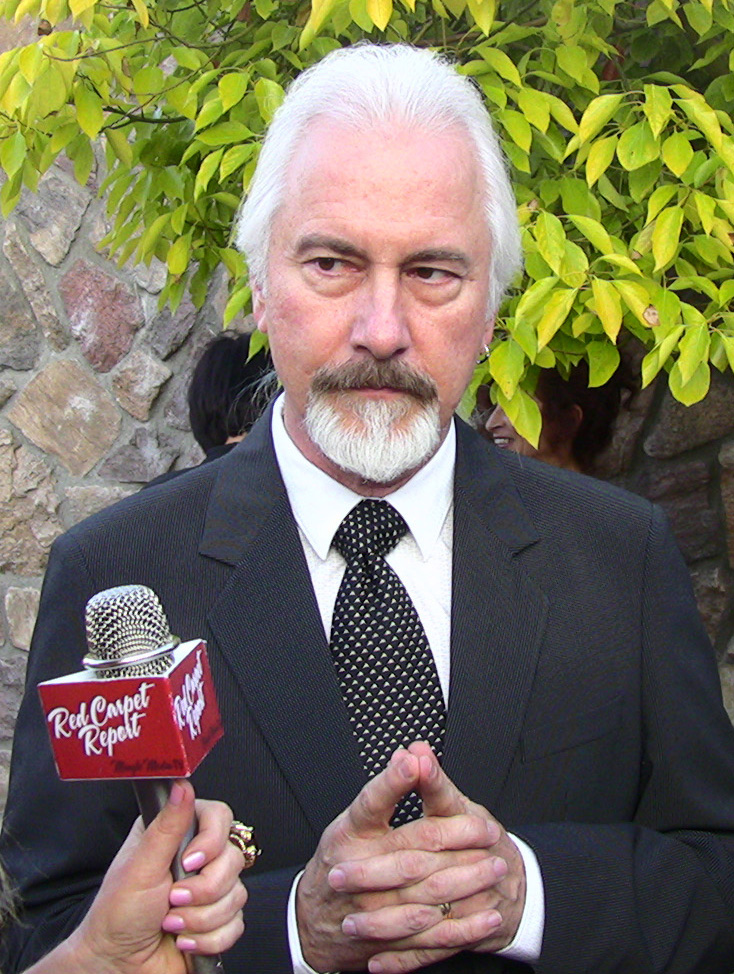


Career and achievements
Baker's career spans decades of film and television production. He earned widespread recognition for breakthrough creature work that combined sculpted prosthetics, foam latex appliances, detailed hair work and stage mechanics. Over the course of his career he has won seven Academy Awards for makeup and creature design, a record that places him among the most honored artists in his field. His reputation rests equally on technical skill and on visual design that supports storytelling.
Techniques and style
Baker is associated with practical effects methods: hand-sculpted prosthetic appliances, life-casting, molding and painting, plus integration of animatronics and puppetry where needed. He favored solutions that would perform on camera under real lighting and that allowed actors to move and emote. This focus on craftsmanship and on combining multiple disciplines (makeup, hair, mechanics) became a model for modern creature shops.
Notable work and influence
Among the films most often linked to Baker's influence are the groundbreaking werewolf transformation sequences that demonstrated how makeup and mechanical effects could create convincing onscreen metamorphoses. He also led makeup departments on large commercial projects that required multiple creatures or complex character changes, winning acclaim for both artistry and technical innovation. His approach influenced later generations of artists who work in both practical and digital effects.
Legacy and distinctions
Baker is widely regarded as a leading figure in special makeup effects and creature design. He has been credited with elevating the craft into an art form that serves narrative demands as well as spectacle. For further reading about Baker's techniques and career, consult an authoritative profile or interview: career overview, and a regional biographical note about his origins: birthplace and early life.
- Known for: creature prosthetics, transformation sequences, practical effects.
- Awards: seven Academy Awards for makeup and creature design.
- Legacy: helped set standards for modern special makeup effects.
While visual effects technology continues to evolve, Baker's work remains a reference point for filmmakers who seek tactile, character-driven creatures and believable physical transformations on screen.
Author
AlegsaOnline.com Rick Baker — American special makeup effects artist Leandro Alegsa
URL: https://en.alegsaonline.com/art/129589