
Richard Williams (animator)
Canadian–British animator, director and teacher best known for Who Framed Roger Rabbit and the long-term project The Thief and the Cobbler; author of The Animator's Survival Kit.
Richard Edmund Williams (March 19, 1933 – August 16, 2019) was a Canadian–British animator, director, voice actor and writer whose craftsmanship and exacting standards influenced generations of hand-drawn animators. He is widely known as the animation director of the hybrid live‑action/animation feature Who Framed Roger Rabbit and for his decades‑long, visually ambitious project The Thief and the Cobbler, which remained unfinished in the form he intended. He also authored a widely used instructional manual for animators.
Image gallery
7 Images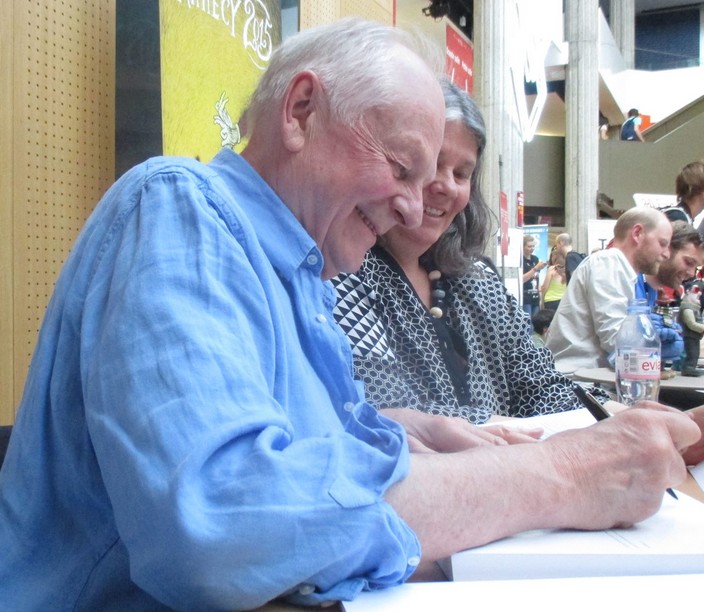


Early career and studios
Williams began working professionally in animation as a young artist and later established studios in Canada and the United Kingdom. Over his career he produced shorts, commercials, and film title sequences, training many assistants and collaborators along the way. His studio work included title and sequence design for feature films and independent projects, and he maintained operations in London before spending later years working from Bristol.
Major films and title work
Williams' best-known credits include serving as animation director on Who Framed Roger Rabbit, where his team created expressive, character-driven animation that interacted with live actors and environments. His passion project, The Thief and the Cobbler, was notable for its elaborate hand‑drawn motion and long development history; the film was later released in altered forms by others, a matter often discussed in animation histories.
He was also responsible for memorable title sequences and short animated introductions, including work on films such as What's New Pussycat? and A Funny Thing Happened on the Way to the Forum, as well as contributions related to The Charge of the Light Brigade and several Pink Panther intros.
Artistry and technique
Williams combined classical draftsmanship with meticulous planning, timing, and cleanup to achieve fluid, character-led movement. He emphasized fundamentals—gesture, weight, rhythm—and used layered animation and extensive rehearsal drawings to refine performance. His exacting standards set high technical and artistic expectations for hand‑drawn animation teams.
Teaching, publications and influence
Beyond films, Williams made a lasting contribution through teaching and publication. His instructional book, widely used in animation education, distilled principles and practical exercises for animators. He mentored many artists who went on to careers in feature animation, television and advertising, and his notes, demonstrations and studio materials remain reference points in animation training programs. For biographical resources and further study see biographical resources.
Legacy and death
Williams' work attracted critical attention, admiration from peers, and recognition within the animation community. His career is often discussed in relation to questions of artistic control, studio intervention and the economics of independent animation production. He died of cancer at his home in Bristol, England on August 16, 2019; obituaries and tributes were published internationally. For obituary notices and remembrances see obituary resources and regional coverage in Bristol (Bristol). Additional information about his films and credits is available through filmographies and archives (film credits) and studies of title sequence work (title sequences).
- Major films: Who Framed Roger Rabbit, The Thief and the Cobbler
- Noted for: title sequences, commercial animation, teaching and an influential animator's manual
- Relevance: formative influence on late 20th‑century hand‑drawn animation
Author
AlegsaOnline.com Richard Williams (animator) Leandro Alegsa
URL: https://en.alegsaonline.com/art/129567