
Richard Barthelmess
Richard Barthelmess (1895–1963) was an influential American actor of the silent and early sound eras, nominated for Best Actor at the first Academy Awards and best known for roles in Tol'able David and 1920s dramas.
Richard Semler "Dick" Barthelmess (1895–1963) was an American film actor whose work in the 1920s made him one of the era's best-known leading men. He rose from stage and early screen work to stardom in silent features, and his performances earned him recognition when the motion-picture industry began formal awards.
Image gallery
6 Images
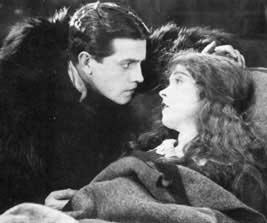


Career and notable roles
Barthelmess became widely known for sympathetic, often youthful characters in literary and rural dramas. His breakout came in the early 1920s in a role that established his screen image as earnest and sincere. Over the decade he appeared in a string of successful films and was identified with projects that emphasized character and naturalism rather than broad spectacle.
Acting style and screen persona
Critics and audiences praised Barthelmess for a restrained, expressive style that translated well in silent cinema: subtle facial expression, controlled body language, and an ability to convey inner conflict without melodrama. These qualities helped him transition to sound pictures, although like many silent-era stars his prominence diminished as Hollywood changed.
Recognition and later years
He was among the performers nominated for Best Actor at the first Academy Awards, an early formal acknowledgment of screen acting as an art form. Barthelmess continued to work into the sound era, appearing in supporting and character roles while remaining a respected figure from Hollywood's formative decades. He also served during World War I, an experience that shaped the generation of artists to which he belonged.
Legacy and notable facts
- One of the leading male stars of the 1920s, often remembered for integrity and subtlety on screen.
- Nominated at the inaugural Academy Awards, marking his place in early Hollywood history.
- His career illustrates the transition from silent film acting to the sound era and the shifts in stardom that followed.
- For further reading on his life and career see biographical sources and a selection of credits at filmography listings.
Barthelmess's name remains part of discussions about the silent era's most effective screen performers and about how early cinema shaped modern acting conventions.
Author
AlegsaOnline.com Richard Barthelmess Leandro Alegsa
URL: https://en.alegsaonline.com/art/129458