
Rembert Dodoens (Rembertus Dodonaeus) — Flemish botanist and physician
Flemish physician and botanist (1517–1585), author of the influential herbal Cruydeboeck. His accessible organization of plants and vernacular descriptions shaped later European herbals and natural history.
Rembert Dodoens (1517–1585), often Latinized as Rembertus Dodonaeus, was a leading Flemish physician and botanist of the sixteenth century. He combined medical practice with systematic study of plants and is remembered chiefly for producing one of the period's most popular herbals. His work helped move botanical writing toward clearer descriptions and broader public use.
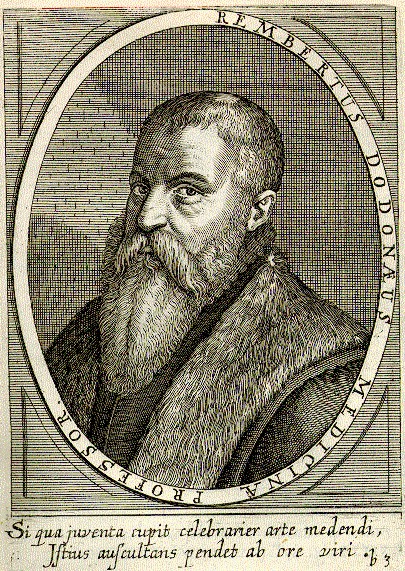
Image gallery
5 Images


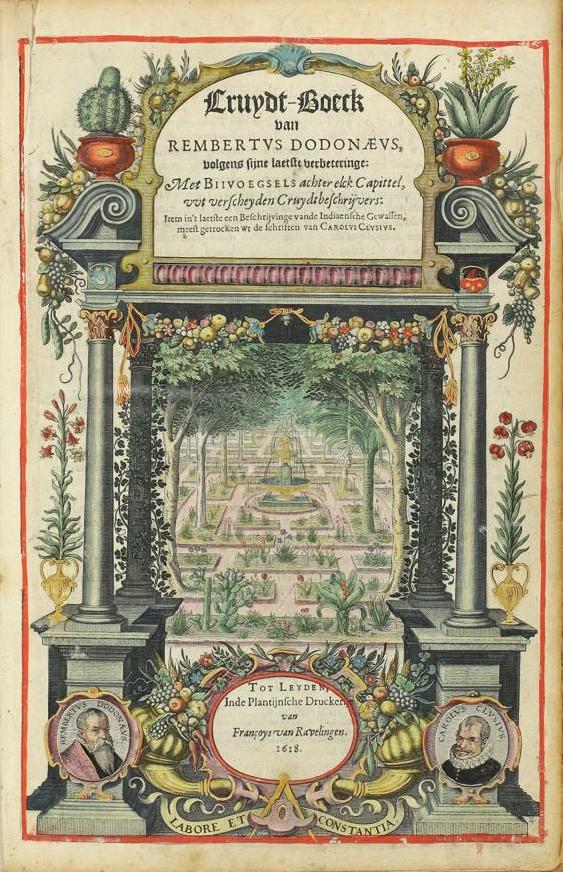

Major work: the Cruydeboeck
Dodoens's best-known book, commonly called the Cruydeboeck, first appeared in the mid-1500s and was repeatedly reprinted, translated and adapted across Europe. It presented hundreds of species with practical notes on recognition, habitat and medicinal properties. Unlike many scholarly Latin floras of the time, Dodoens often wrote in a vernacular tongue and arranged entries in a manner intended for physicians, apothecaries and educated lay readers.
Approach and organization
Rather than a strictly alphabetical list, Dodoens grouped plants by observable characteristics, growth habit and uses. The herbal included woodcut illustrations and comparative descriptions to make identification easier in the field. Emphasis on practical uses and clear descriptions distinguished his work from more classical compilations that relied heavily on ancient authorities.
Life and context
Trained in medicine and active in the Low Countries, Dodoens wrote during an era of expanding botanical knowledge, when explorers and physicians were exchanging plant information across regions. His combination of clinical experience and plant study reflects the close link, in the Renaissance, between medicine and natural history.
Legacy and notable facts
- Dodoens's herbal circulated widely: translations and adaptations helped spread plant knowledge throughout Europe.
- Later herbalists and botanists referenced his classifications and descriptions; his practical, observation-based style anticipated more modern approaches.
- The Latinized name Dodonaeus appears in many editions and later citations, preserving his influence in botanical literature.
Today Dodoens is remembered as a transitional figure who helped move botany toward empirical description and broader accessibility, bridging medieval traditions and the botanical science that developed in the seventeenth century.
Questions and answers
Q: Who was Rembert Dodoens?
A: Rembert Dodoens was a Flemish physician and botanist.
Q: What is Rembert Dodoens known for?
A: Rembert Dodoens is known for his contributions to the field of botany.
Q: When was Rembert Dodoens born?
A: Rembert Dodoens was born on June 29, 1517.
Q: What was the Latinized name of Rembert Dodoens?
A: The Latinized name of Rembert Dodoens was Rembertus Dodonaeus.
Q: In what field did Rembert Dodoens make his contributions?
A: Rembert Dodoens made his contributions in the field of botany.
Q: When did Rembert Dodoens die?
A: Rembert Dodoens died on March 10, 1585.
Q: Was Rembert Dodoens a physician or a botanist?
A: Rembert Dodoens was both a physician and a botanist.
Author
AlegsaOnline.com Rembert Dodoens (Rembertus Dodonaeus) — Flemish botanist and physician Leandro Alegsa
URL: https://en.alegsaonline.com/art/129373